
Mostafa Hussein teachs courses at the University of Michigan on Jewish-Muslim relations from Middle Ages to modern times. He has taught courses at the University of Southern California, Brandeis University, and Boston College.
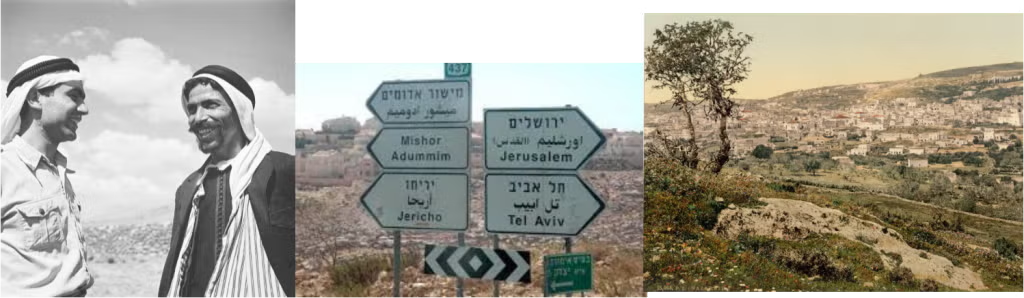
Jews and Arabs in the Holy Land
This course examines Arab-Jewish relations from the late nineteenth century to present in a contested land–a land known as Israel to some and as Palestine to others. It traces the development of this century-old relationship and how it has been shaped by issues such as subjectivity (who are we), perception (how are we seen), power and powerlessness, immigration, and violent conflict. Our discussions illuminate the political, cultural, and religious background against which Arab-Jewish relations have evolved and transformed. We cultivate a critical appreciation for the historical complexities of the dynamic relations between both parties by examining the different narratives provided by Jews/Israelis and Arabs/Palestinians. Throughout the course, we scrutinize historical sources that describe both conflict and peaceful coexistence in the “Holy Land” and the modern Middle East.
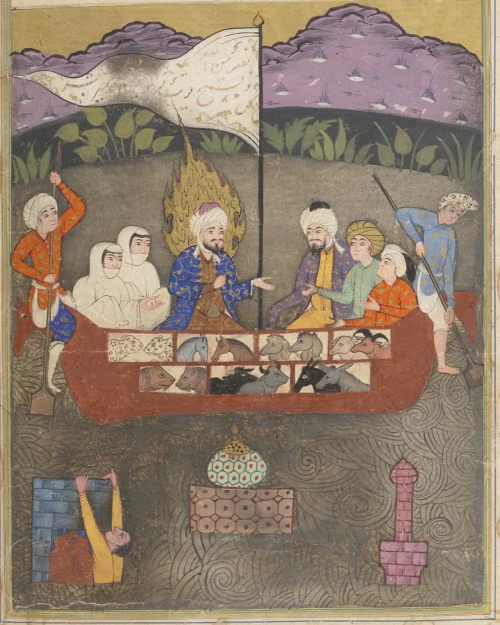
The Bible and the Quran
Throughout the intertwined history of Jews and Muslims, the sacred texts of both communities assumed a central role in interfaith dialogue, in moments of tension, in building political alliance, in fostering cooperation, and in highlighting differences. About one fourth of the total number of Quranic verses consists of narratives concerning prophets, sages, and historical or legendary celebrities of the Bible. With this fact in mind, this course explores how both texts are intrinsically connected by reading closely shared narratives surrounding biblical and Quranic figures such as Adam, Eve, Noah, Abraham, Sarah, Hagar, Moses, Jesus, and Mary. This course puts both scriptures in conversation and builds a complicated yet complementary narrative of their intricate relations.
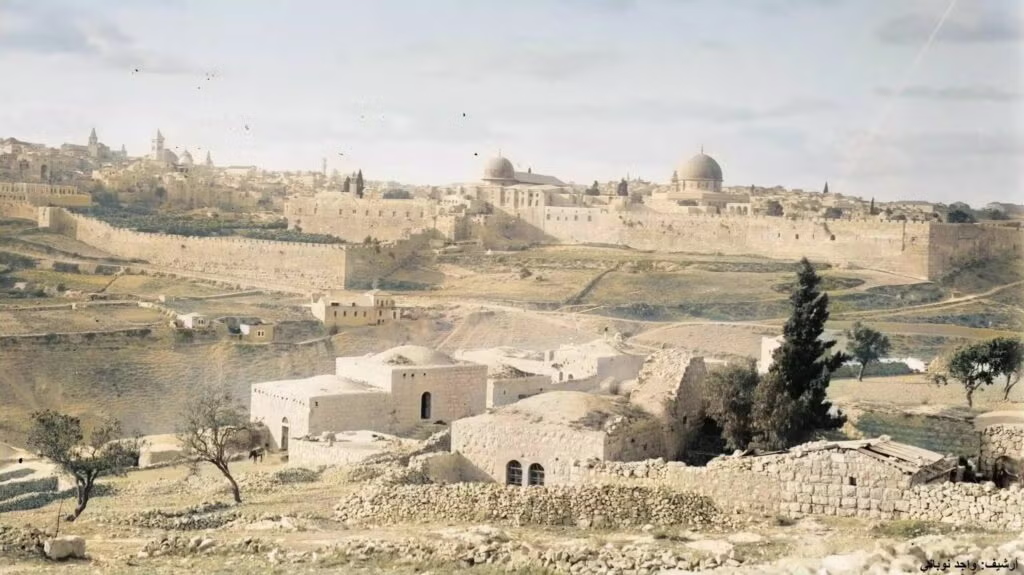
Jerusalem: One City, Three Faiths
Jerusalem is a city holy to the three monotheistic communities who believe it to be sacred, albeit for different reasons. While in some ways the common sacrality invested in Jerusalem by the three major monotheistic religions brings them together—doctrinally and practically—historically speaking it has sparked tension and even violence in some cases. This course will explore the history of Jerusalem as a lens through which to reflect on Judaism, Christianity, and Islam as well as the ways in which these three religions have interacted with one another from the Bronze Ages through the Middle Ages to the twenty first century.
Jews of the Middle East
Throughout the middle of the twentieth century, hundreds of thousands of Jews departed from the Middle East and North Africa for other destinations, such as the newly established state of Israel, the Americas, and Europe. Prior to their departure, Jewish communities spread throughout the variegated geographies within the extended area south of the Mediterranean and west of Asia. Jews were integrated in the various aspects of the religious, political, social, and cultural lives of the region, simultaneously contributing to their societies and impacted by them. Jews spoke various languages such as Arabic, Berber, Persian, and Turkish; they cooked food whose ingredients found in their natural environment and reflect their immersion in their societies; they listened to melodies shared by all the inhabitants of their surroundings; and their commercial activities were a manifestation of their interconnectedness in wider commercial networks and their undertakings were essential to the economic life of the region.
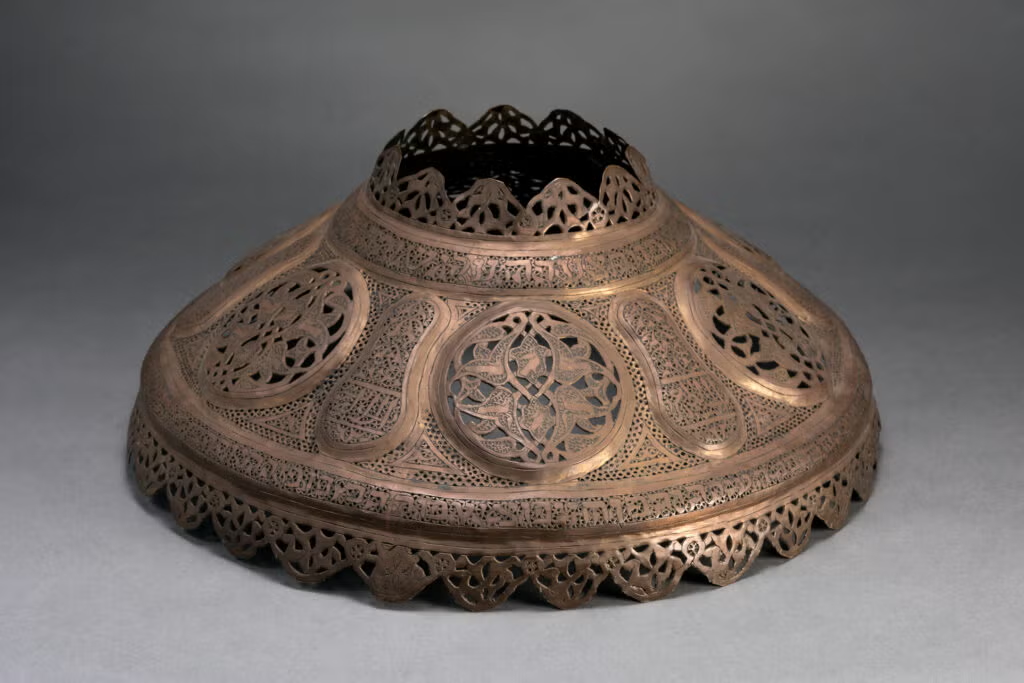
the Magness Collection of Jewish Art and Life, UC Berkeley