

Word of the Week
pin-pan-pun, Spanish
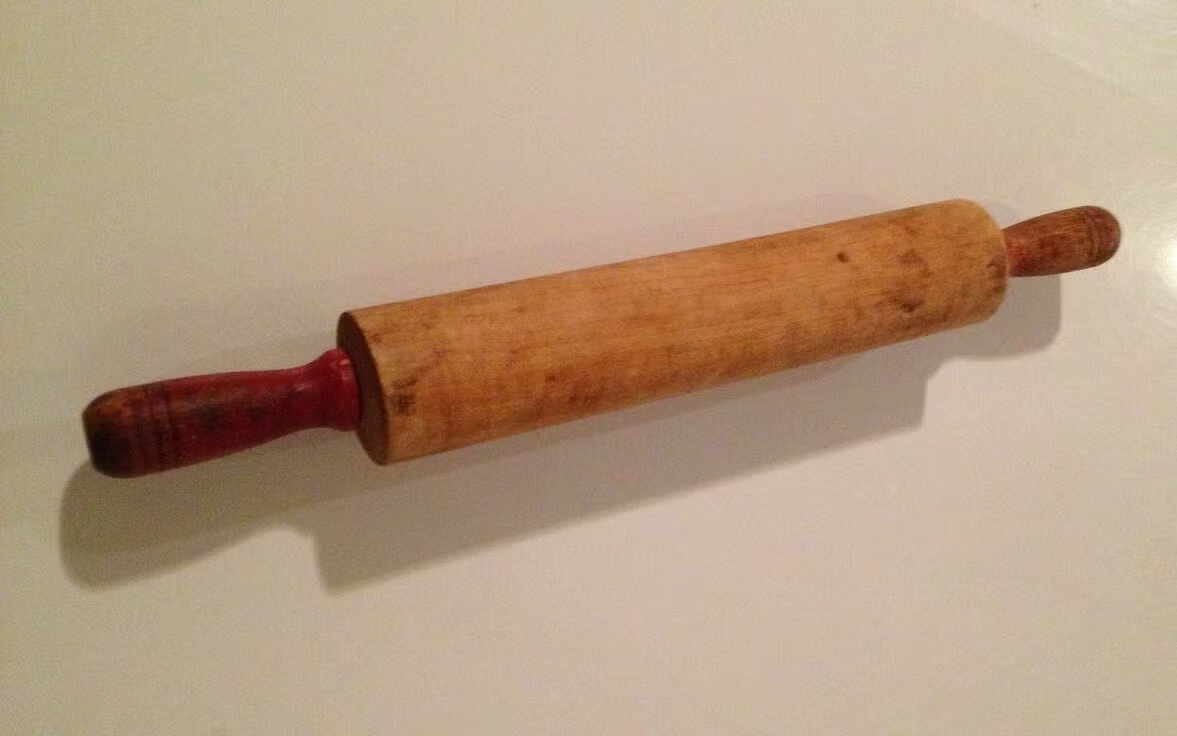
A common Cuban cultural phrase which refers to a folding bed and the sounds it makes when trying to open one (“Pin, Pan, Pun!”). With family members commonly staying over at one another’s homes, it’s a phrase often heard in the midst of large family gatherings and late night celebrations.
October 13, 2026
raplapla, French
Slang term used in reference to both one’s lack of energy and lack of capillary volume
October 6, 2026

peuchère, Provençal
Used to express compassion, empathy, and sometimes commiseration
September 29, 2026
손맛 (sɑn məd), Korean
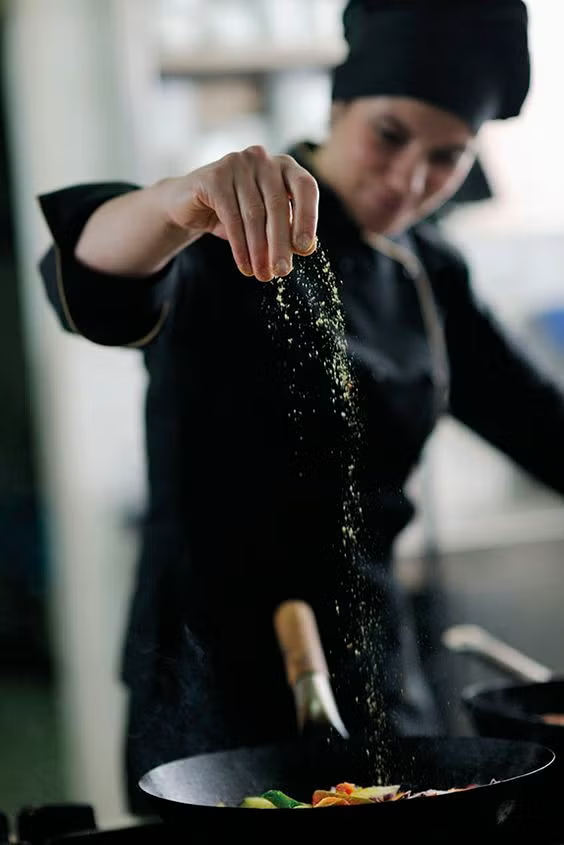
The chef’s touch. While the word can be literally translated to “hand taste,” the word refers to a feel or quality of a dish that derives from the chef’s experiences and hands.
April 28, 2026

積ん読 (tsundoku), Japanese
The habit of buying books and letting them pile up unread
April 21, 2026
вечараваць (vecharavatś), Belarusian
To spend your evening lounging about
April 14, 2026

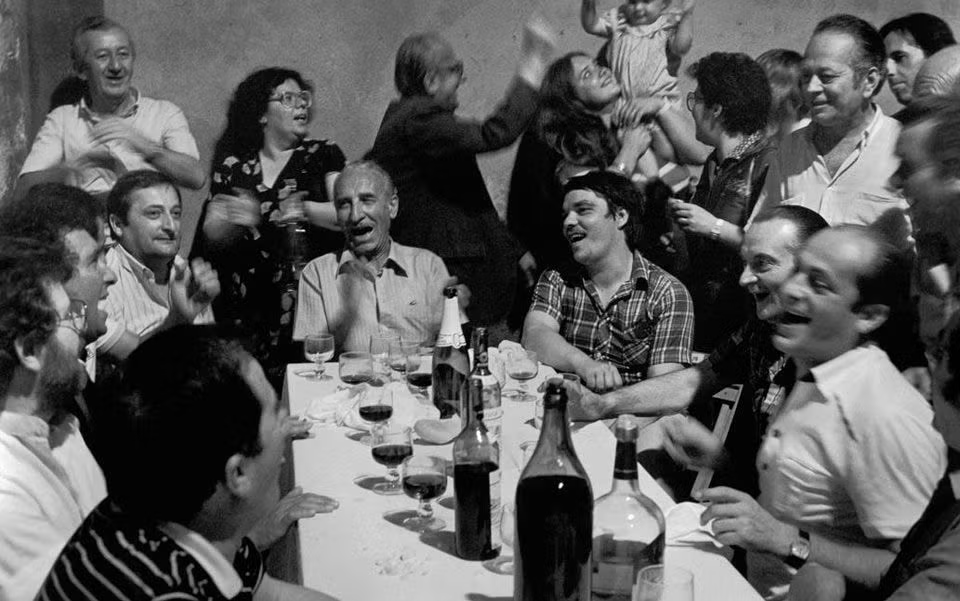
sobremesa, Spanish
Lingering at the table after a meal to spend quality time talking with loved ones
April 7, 2026
Geborgenheit, German
Frequently translated as “security,” but this translation is cold and impersonal. Geborgenheit is the carefree satisfaction of being home, the safety of being held by a loved one, the emotional reassurance that everything will be okay. Some alternative translations may include “warmth,” “trust,” “peace,” “closeness,” or “love.”
March 31, 2026

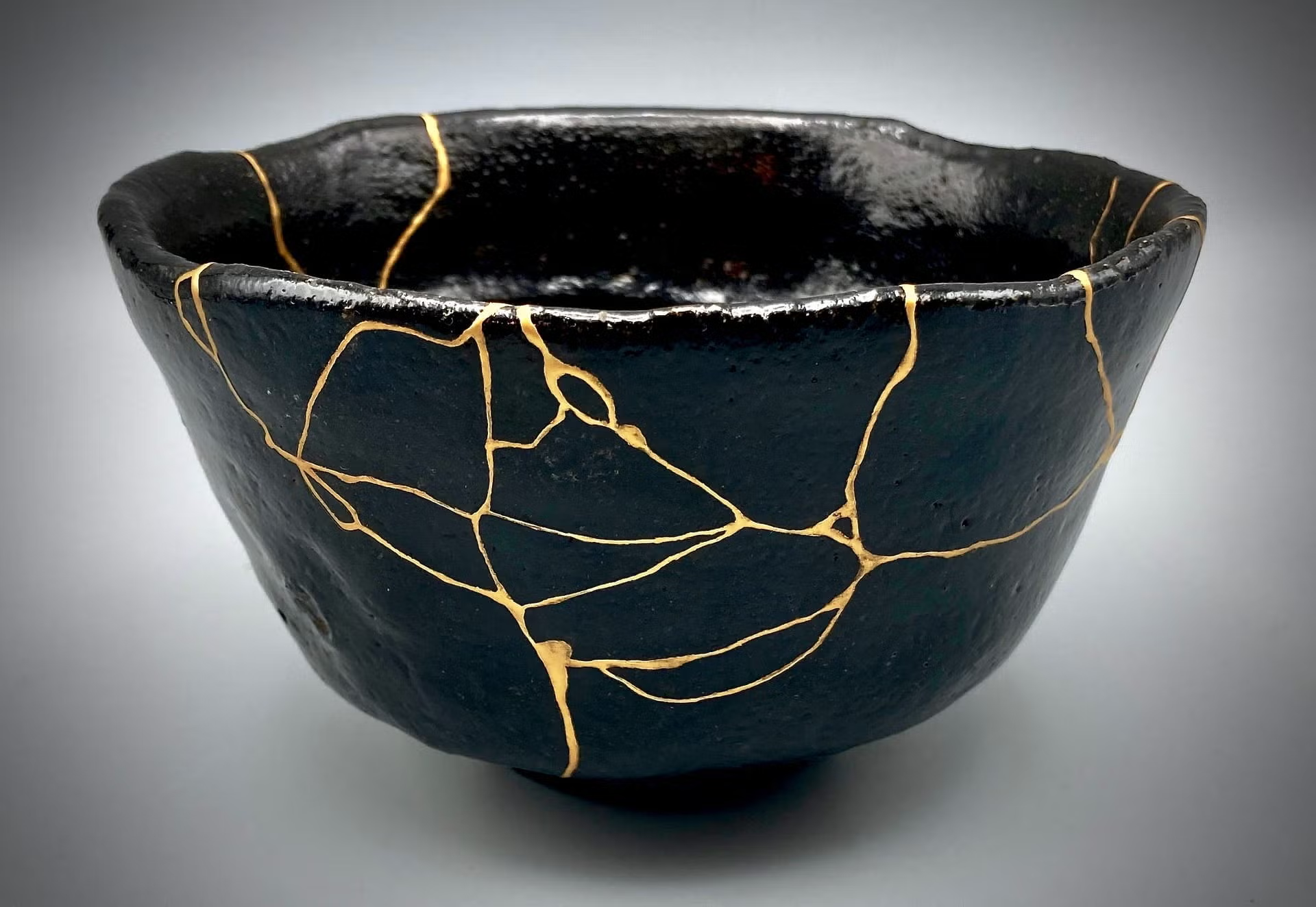
侘び寂び (wabi-sabi), Japanese
The acceptance of transience and imperfection
March 24, 2026
saudade, Portuguese
A melancolic longing or yearning that is both a state of being and a feeling
March 17, 2026
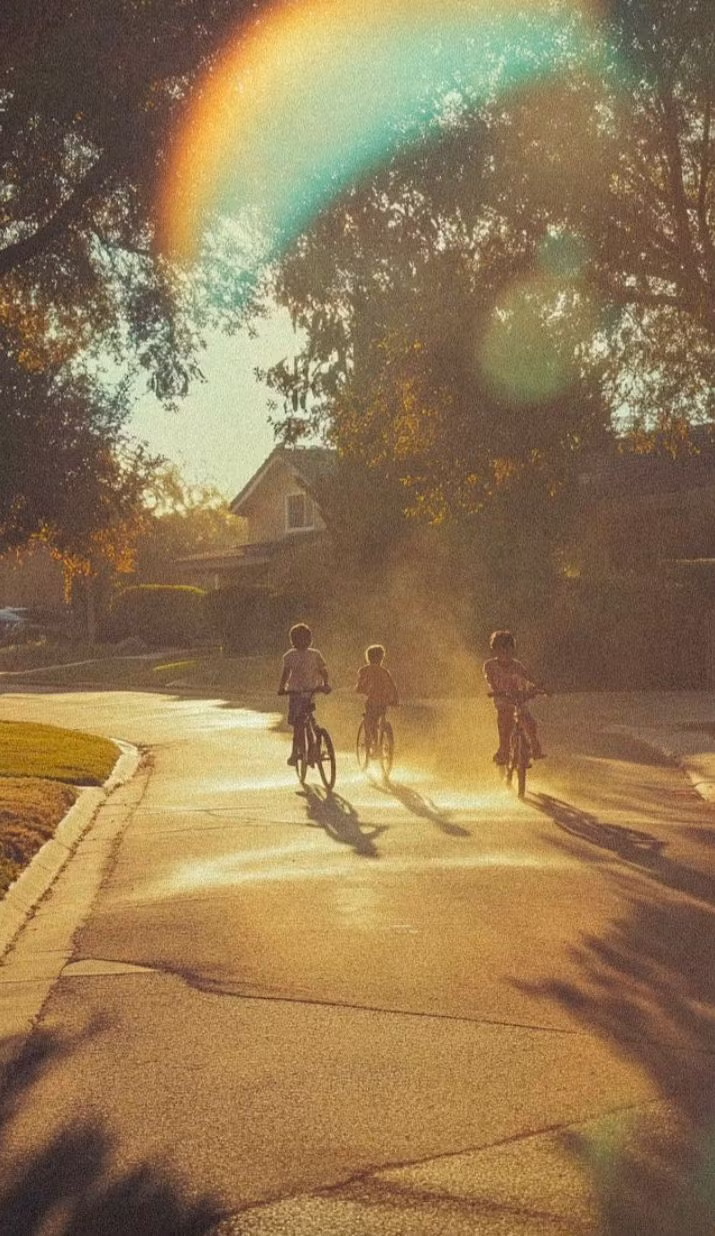

mandra, Catalan
A kind of delicious laziness
March 10, 2026
रिमझिम (rimjhim), Hindi
The feeling of happiness that comes with rain
March 3, 2026


aguafiestas, Spanish
It literally translates to “water parties,” but it describes someone who ruins the fun or enjoyment of something for other people. Other translations include “party pooper” or “wet blanket.”
February 24, 2026
doch, German
Doch means the exact opposite of whatever was said before, and can negate anything in one word. For example, children arguing “No, I didn’t!” and “Yes, you did!” repeatedly might be translated as “Doch!” “Doch!” “Doch!!” etc.
February 17, 2026

petrichor, English
The smell of the ground after it rains
February 10, 2026