
Research Overview
The Matzger Lab is dedicated to advancing the field of materials chemistry. Our research spans the synthesis and characterization of unique properties for metal–organic frameworks (MOFs), explosives, and multicomponent crystals. Methodology development is a critical component of many of these efforts and helps push the boundaries of what these materials can achieve. By combining fundamental studies with practical applications such as gas storage, drug delivery, and rational design of energetic materials, we use a broad suite of techniques in a multidisciplinary perspective. Below you will find highlights of specific research projects, illustrating our commitment to unraveling and exploiting the mysteries of materials chemistry.
Metal–organic frameworks (MOFs) with high levels of porosity are being intensively investigated. New synthetic methods pioneered in the group lead to materials with unprecedented structural properties. Both fundamental studies on processes such as gas adsorption, postsynthetic methods, phase direction, and host-guest chemistry are conducted alongside applications in gas (hydrogen, carbon dioxide, methane) storage and catalysis. Key techniques applied to characterize materials include X-ray diffraction, Raman spectroscopy, scanning electron microscopy, and gas adsorption analysis.
Desirable properties in energetic materials include high density, thermal stability, low hygroscopicity, and low impact sensitivity; these properties and others are correlated to the crystalline order of the material in the solid state. Cocrystallization, the combination of two or more compounds in the solid state with a defined order and stoichiometry, offers the opportunity to rationally design novel energetics with improved properties, without the challenges and uncertainties of traditional synthesis pathways. Work in this area is fundamental to understanding how interactions in the solid-state manifest in physical properties and will inform the design of myriad future materials ranging from safer airbag gas generators to more efficient and environmentally benign rocket boosters.
Fundamental MOF Studies
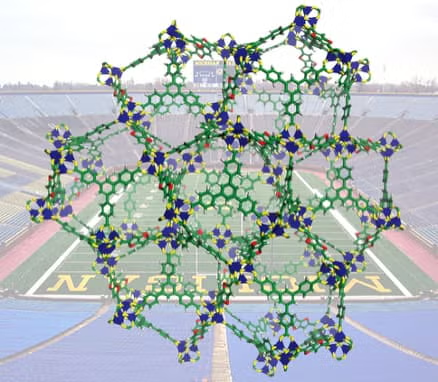
MOFs are crystalline materials, often displaying exceptional surface area, whose tunable architectures make them promising platforms for gas storage, drug delivery, and catalysis. As MOF applications continue to expand, a deep understanding of fundamental aspects of MOF formation, activation, and functionalization is essential for rational MOF design and application.
Our group’s previous work has elucidated the kinetics of solvent exchange in both coordinatively unsaturated site (CUS) MOFs and non-CUS MOFs, as well as the importance of water content in the formation of different zinc carboxylate phases. We have also investigated synthesizing MOFs in more environmentally friendly solvents than the traditional formamides. Although this highlights recent advances in understanding MOF synthesis and activation, the lab has been building a foundation of knowledge for the past two decades.
MOF Applications
Energetic MOFs
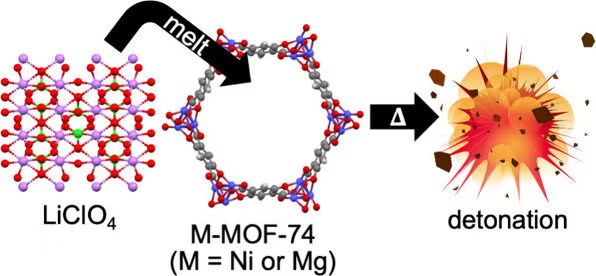
MOFs offer a unique opportunity to study fundamental properties of energetic materials due to their nanoscale mixing of metal catalysts with fuel and oxidizer. This can be achieved either by incorporating energetic linkers into the framework or loading oxidizing content into a nonenergetic MOF. In addition, MOFs have a rigid and repeatable structure with three-dimensional strong bonding, unlike molecular energetics like TNT, CL-20, or HMX, which allows for systematic studies of how spatial orientation and nanoscale mixing of components within composites influence energetic properties.
We have pioneered using nonenergetic MOFs to make on-demand explosives by loading these MOFs with non-energetic oxidizing salts (see videos below in the Explosive Composite section). We are further developing related oxygen delivery systems and responsive energetics with an eye toward mechanistic understanding, performance improvement, and smart materials.
MOFs for Drug Delivery

MOFs are increasingly being explored for use in biomedicine. MOFs are particularly well-suited for drug delivery due to their high loading capacity, whether through melt loading or solvent-assisted loading. Many drugs, despite being proven effective, cannot be orally administered because of solubility issues. MOFs can address this challenge by storing pharmaceuticals in an amorphous state within their pores, thereby reducing concerns about drug solubility.
Although MOFs hold significant promise for biomedical applications, improvements in biocompatibility, toxicity, and stability are still needed. Our group has recently shown that the amorphous form of pharmaceuticals in the pores of MOF is highly stable and results in increased solubility in biorelevant media.
Energetic Crystals and Cocrystals


Left: Needle morphology of ammonium dinitramide; Right: Cocrystal of ammonium dinitramide and pyrazine-dioxide
Desirable properties in energetic materials include high density, thermal stability, low hygroscopicity, and low sensitivity; these properties and others are correlated to the crystalline order of the material in the solid state. Cocrystallization, the combination of two or more compounds in the solid state with a defined order and stoichiometry, affords the opportunity to rationally design novel energetics with improved properties and without the challenges and uncertainty of traditional synthesis pathways. Work in this area is fundamental to understanding how interactions in the solid-state manifest in physical properties and will inform the design of myriad future materials ranging from safer airbag gas generators to more efficient and environmentally benign rocket boosters. Supramolecular design approaches are informed by high-throughput experimentation, database analysis, and computational chemistry.
Polymer Applications
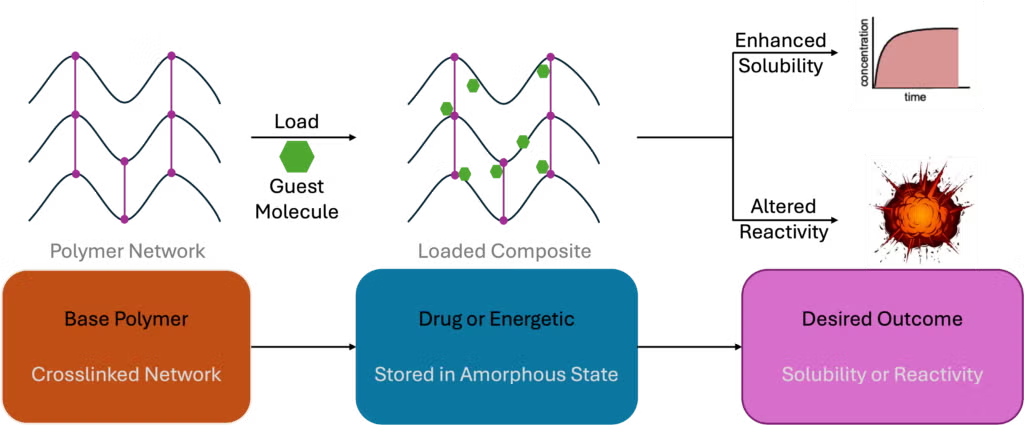
Polymer chemistry is fundamental to many of our projects. We have effectively designed polymers to accelerate selective crystallization of targeted solid forms, pharmaceuticals, and energetic materials. Moreover, we have used the principles uncovered to inhibit crystallization. The interaction between polymers and MOF offers the potential for new modes of reactivity, and polymer-energetic composites are the state-of-the-art formulation approach to deploy many explosive and propellant systems.
Gallery of Crystals
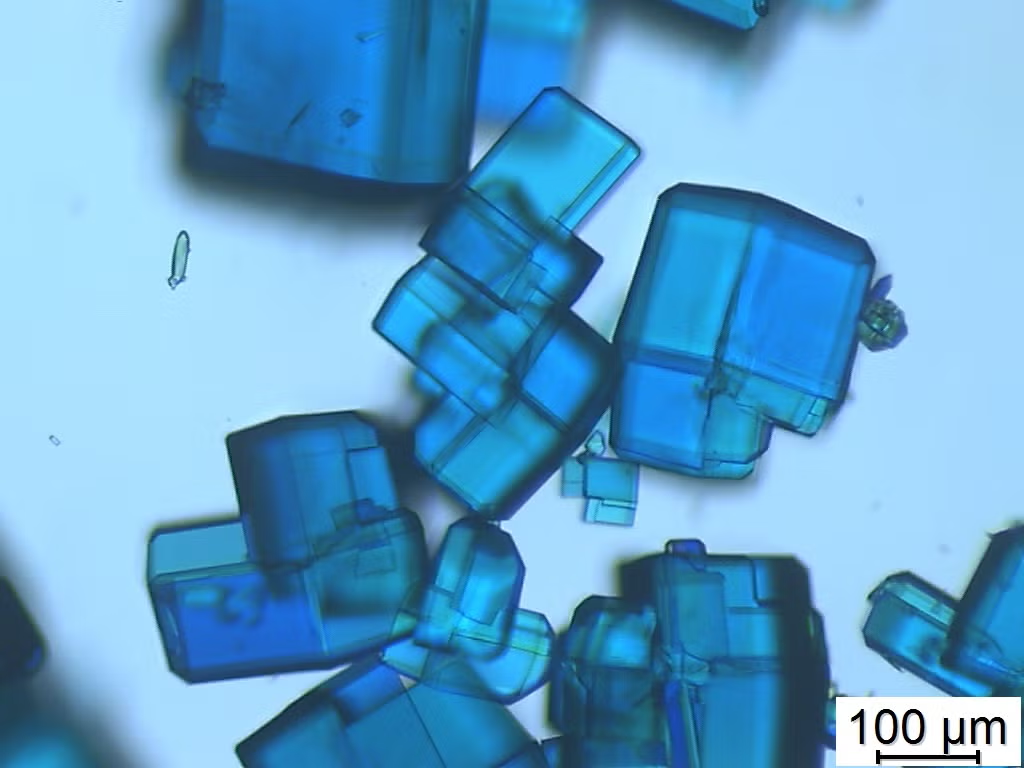
The images below showcase crystals grown in the lab — captured using optical microscopy and other imaging techniques. Crystal morphology often reflects the underlying chemistry, and these images offer a glimpse into the structural diversity of the materials we study
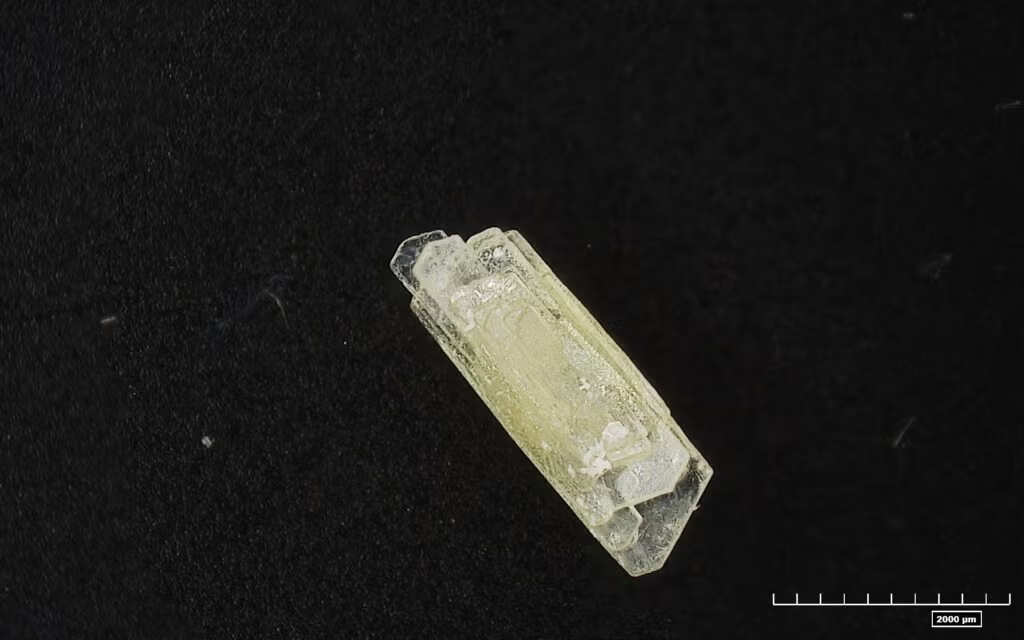
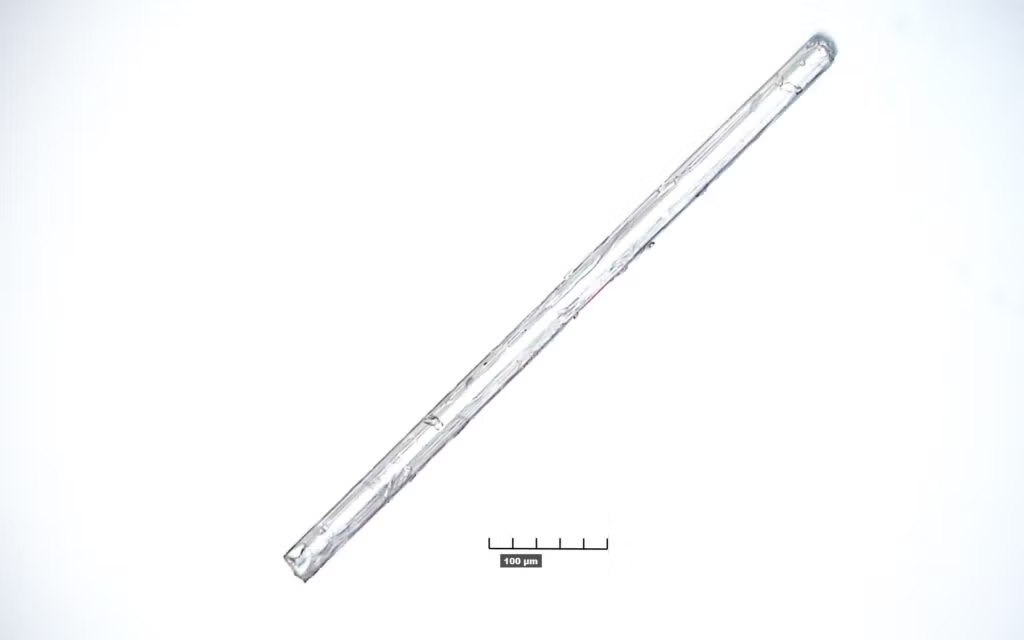
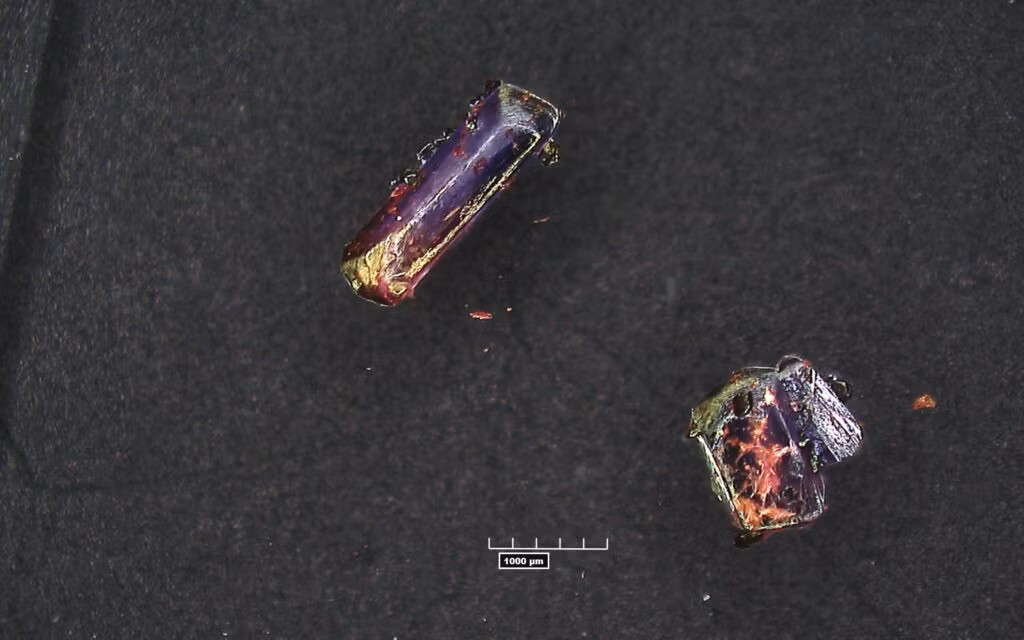
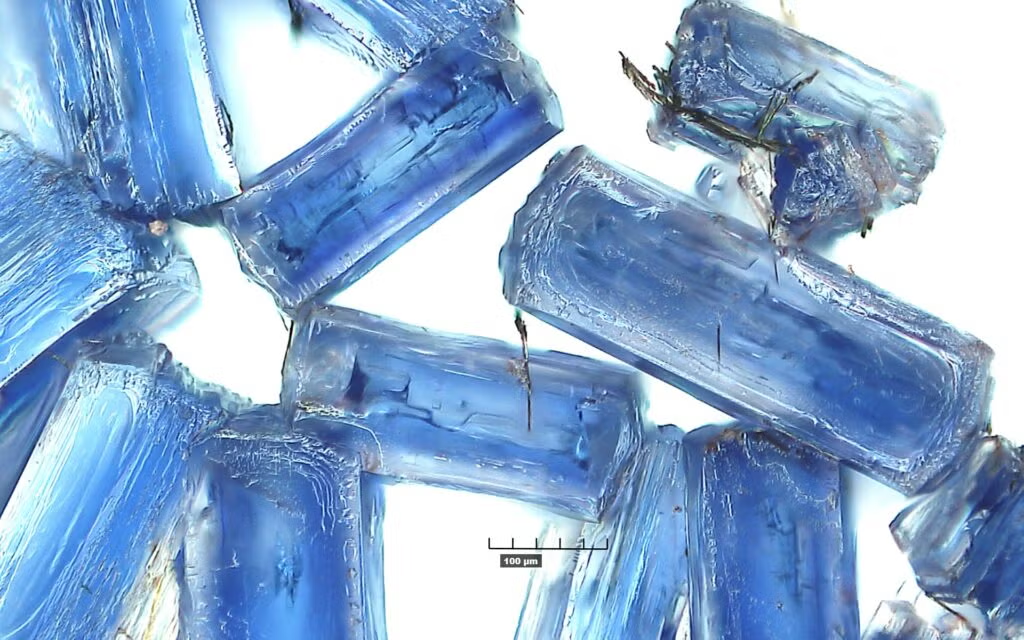
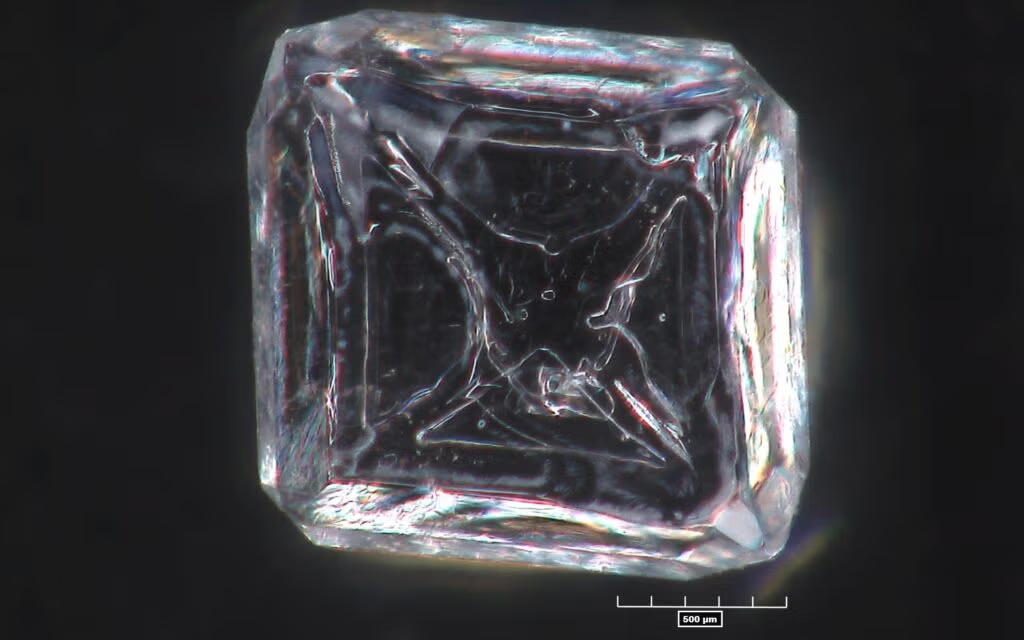
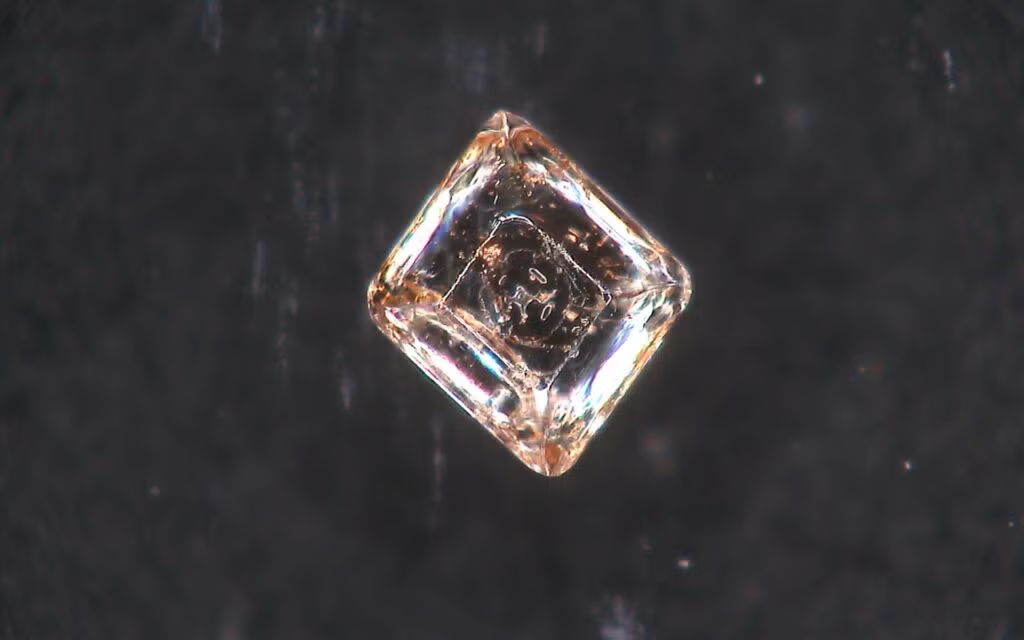

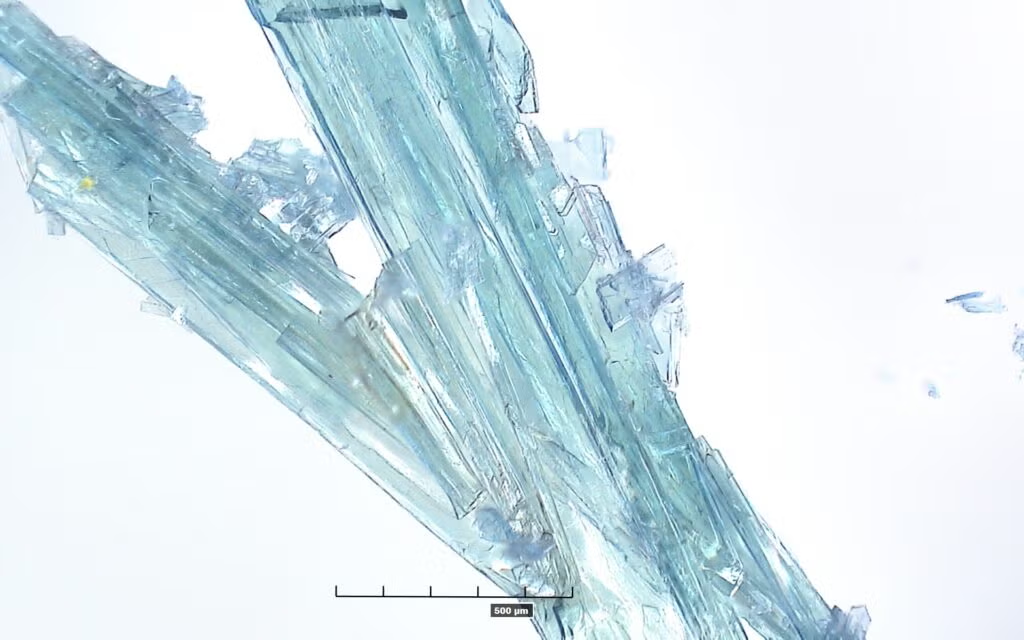


The crystals above are a mix of different Metal-organic Framework (MOF) crystals, energetic materials crystals such as TNT and RDX, and cocrystals.
High-Speed Camera Videos
Energetic MOF Composite Videos
The videos below were recorded using a high-speed camera and document the energetic behavior of MOF-based composite materials. Each clip captures detonation events that unfold over milliseconds — timescales inaccessible to the naked eye.
NiMOF-74 LiClO4 Composite
NiIRMOF-74 Li ClO4 Composite
UMCM-74(Ni) LiClO4 Composite