

Who We Are
Who is NARLEE?
We are a group of biologists and earth scientists interested in analyzing the influence of landscape history on the ecology and evolution of mammals over the last 30 million years. We integrate biogeographic, paleontological, and geohistorical perspectives to determine why diversity hotspots wax and wane in topographically complex regions. Such regions are experiencing rapid changes in climate and habitats today, lending urgency to understand the processes that generate and maintain their diversity.
Our goal is to analyze how biogeographic processes have influenced the diversity of mammals across topographic gradients in the context of dynamic landscape history. Network participants have expertise in biodiversity and earth sciences. Research will focus on rodents of Western North America over the last 30 million years of tectonic and climatic change.
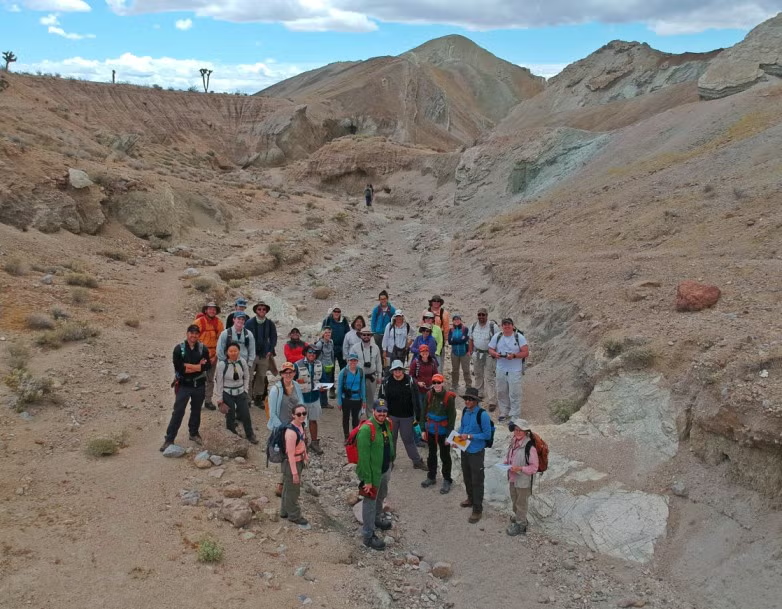
The Steering Committee
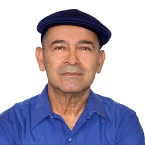
Joaquín Arroyo-Cabrales
Senior Scientist
Archaeozoology Lab Head, SLAA
National Institute of Anthropology and History
Joaquín works at the National Institute of Anthropology and History, the Mexican federal agency that takes care of the Historical, Archaeological, and Paleontological Heritages, and currently is in charge of the Paleontological Collection. His research focuses on Late Quaternary vertebrates and their contribution for understanding the paleoenvironments in which human survived in the Americas.
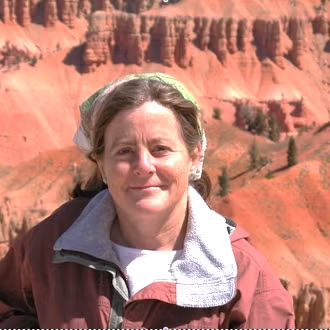
Catherine Badgley
Professor
Department of Ecology and Evolutionary Biology
University of Michigan
Catherine is a professor at the University of Michigan, her research interests include: Biogeography of modern and fossil mammals. Topographic complexity and biodiversity. Geological, ecological and evolutionary processes that have influenced changes in diversity and geographic distribution of mammals over the Cenozoic. Field research in the Neogene Siwalik record of Pakistan, Miocene basins in and near the Mojave Desert.
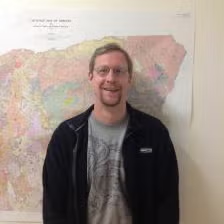
Edward Davis
Associate Professor
University of Oregon
Department of Earth Sciences
Edward is an Associate Professor in the Department of Earth Sciences and the Paleontological Collections Manager for the Oregon Museum of Natural and Cultural History. Topics of particular interest include the evolution and development of headgear in ruminant artiodactyls, changes in macroecology over time, and conservation paleobiology.
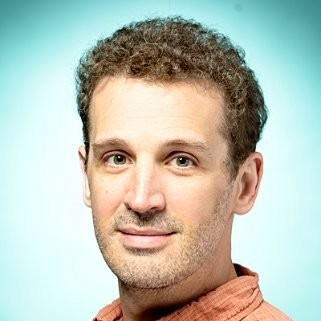
John Finarelli
University College,
Dublin School of Biology
and Environmental Science
John is a quantitative palaeobiologist and evolutionary biologist by training. His research focuses on integrating palaeontological and neontological data sets in an effort to understand the biology and ecology of extinct organisms. He combines specimen-based research in museum collections (both palaeontological and zoological) with database mining and fieldwork to test macroevolutionary hypotheses of the origin and maintenance of morphological diversity through time and across clades.
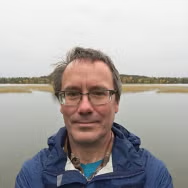
David Fox
Professor
Department of Earth & Environmental Sciences
University of Minnesota
David is a professor at the University of Minnesota with interests in the biogeography of modern and fossil mammals in North America. Stable isotope ecology and paleoecology of modern and fossil mammals based sedimentary organic matter, pedogenic carbonates, tooth enamel, and collagen. Ecomorphology of rodents to reconstruct diet based on homology-free, 3D measures of tooth shape.
His field work and paleoecological studies focus on the Neogene and Quaternary of the Great Plains and eastern Oregon in North America and of the Early Miocene of Kenya and Uganda.
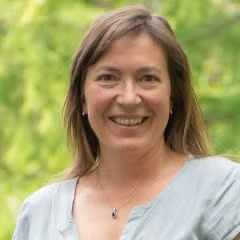
Marjorie Matocq
Professor
University of Nevada, Reno
Department of Natural Sciences
Marjorie’s research program is focused on a number of ecological and evolutionary questions at the interface of intra- and interspecific processes. Her research program is heavily collections-based and integrates traditional field and morphological data with molecular and genomic methods to elucidate pattern and process at several spatial and temporal scales. The majority of her work continues to focus on members of the Neotoma fuscipes species complex.
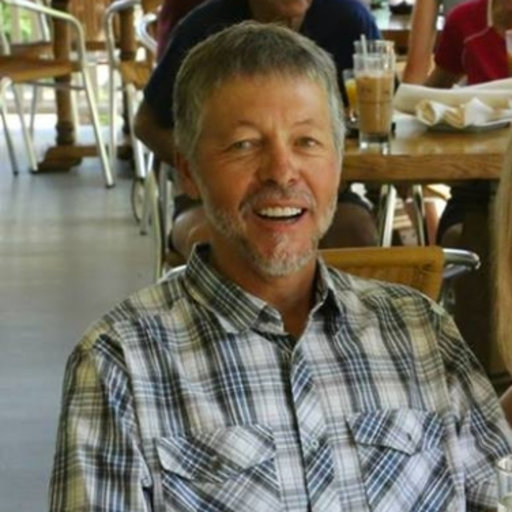
Brett Riddle
Professor
University of Nevada Las Vegas (UNLV)
Department of Life Sciences
Brett is a former Professor at the University of Nevada, Las Vegas. His research focuses primarily on the history of biodiversity in western North America, with ongoing projects including: historical assembly of the warm desert biotas; phylogeography of Great Basin montane island biotas; and molecular systematics and biogeography of diverse North American rodent groups. He is cofounder and past President of the International Biogeography Society, an editor of the Journal of Biogeography, and associate editor of Systematic Biology.
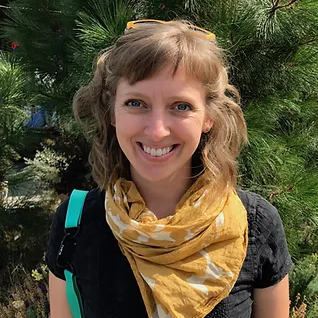
Tara Smiley
Assistant Professor
Department of Ecology & Evolution
Stony Brook University
Tara is an evolutionary paleoecologist interested in how climate and landscape history shape the diversity, biogeography, and ecological structure of mammalian faunas across spatio-temporal scales. Tara uses the fossil record to investigate diversity patterns and paleoecology, focusing on the history of small mammals in western North America during the Cenozoic.
Research Interests are Paleoecology, Quantitative paleobiology, Biogeography, Diversity gradients, Stable isotope ecology, Paleoenvironmental reconstruction, Mammal paleontology, rodents in western North America.
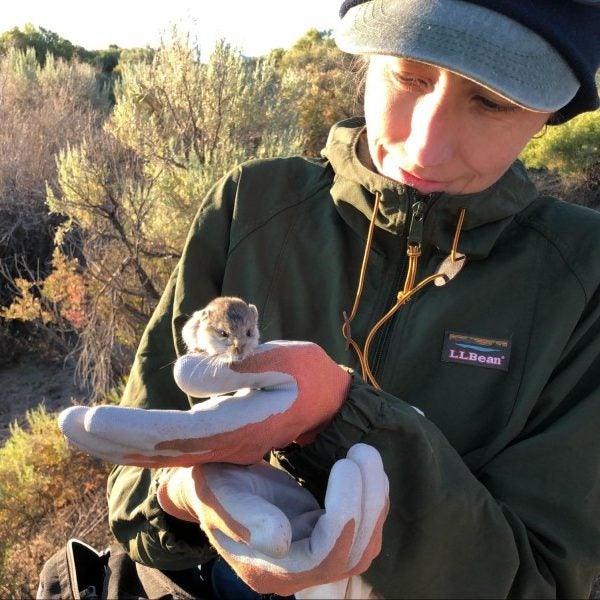
Rebecca Terry
Associate Professor
Department of Integrative Biology
Oregon State University
Rebecca is interested in temporal and spatial responses of terrestrial small mammal communities to changes in
climate and land use change over modern, historical, and paleontological time-scales.
Rebecca’s research integrates tools and data archives of geology and biology, with a focus in Conservation Paleobiology. Rebecca’s analytical expertise is in diversity dynamics across time and space, biogeography, stable isotope ecology, functional ecology, and macroecology.

Jessica Theodor
Professor
Department of Biological Sciences
University of Calgary
Jessica’s work has focused on the evolution, ecology, and diversity patterns of herbivores in the Cenozoic. Recent field work on Paleogene and early Neogene faunas in Saskatchewan suggests that the distribution of mammals in this region may differ from the southern record.
Jessica’s work has primarily focused on ungulates, but she has become more interested in smaller ungulates and their functional overlap with rodents and lagomorphs.

Brian Yanites
Associate Professor
Department of Earth and Atmospheric Sciences
Indiana University
Brian’s approach focuses on integrating numerical modeling with quantitative field and geochemical approaches to advance our understanding of the evolution of the Earth’s surface. Brian applies a suite of tools and techniques to generate and collect data, including: Modeling, Field work, Analysis of geochemical data and Compiled datasets.
Research interests include: Geomorphology, landscape evolution, numerical modeling. River erosion processes and dynamics. Landslides and river interaction. Tectonic geomorphology.
Other Members
Undergraduate & graduate level students, post-docs, professors and senior researchers all make up NARLEE. This diverse cadre of individuals from a wide range of backgrounds, perspectives and interests, gives NARLEE a unique frame of reference and fosters a research group that exemplifies the best in all of us.

UNAM
Columbia
The Ohio State University

Rancho La Brea
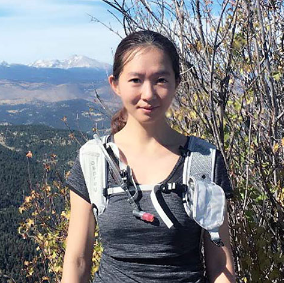
University of Connecticut
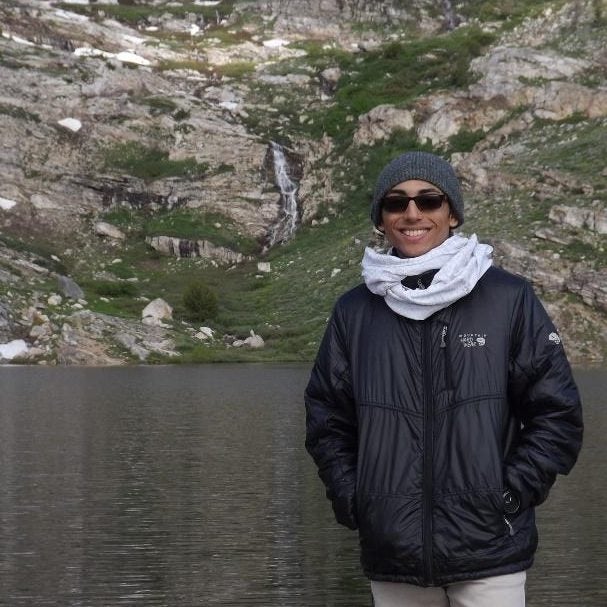
Indiana University
University of Michigan
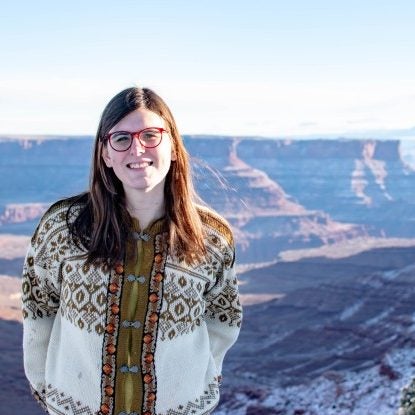
Pacific University
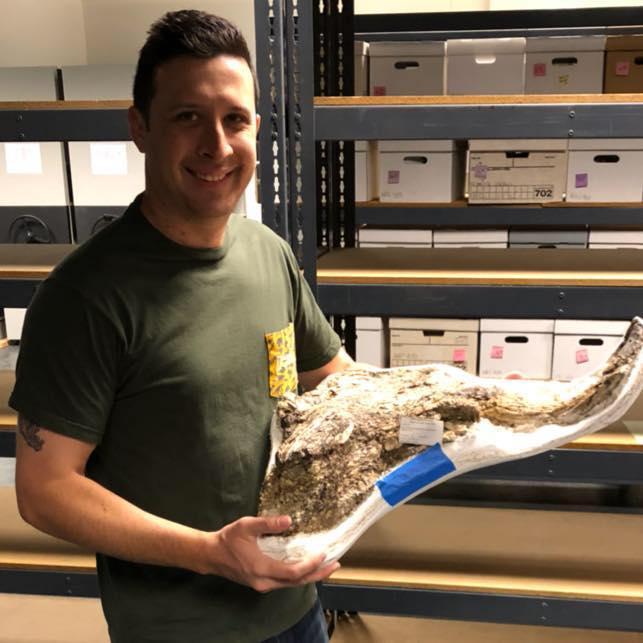
University of Michigan
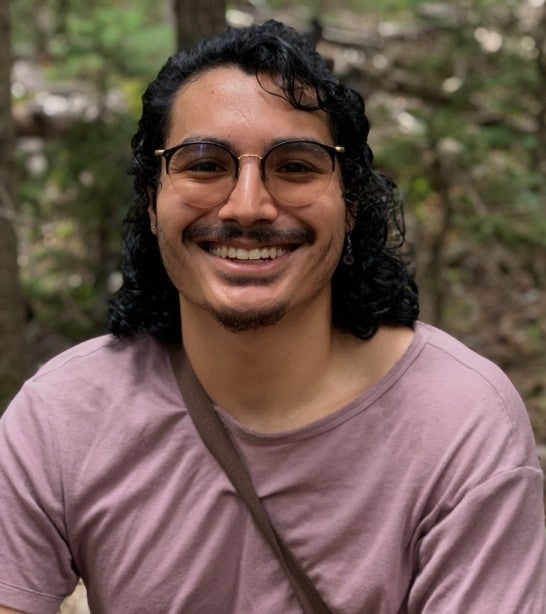
University of California, Berkeley
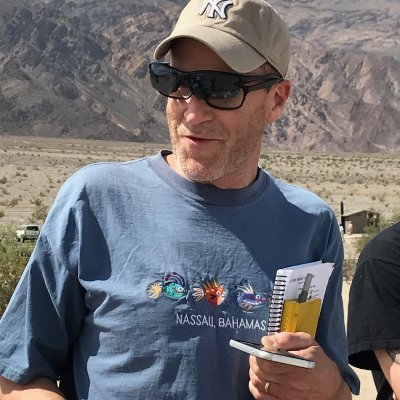
Stony Brook University
University of Oregon
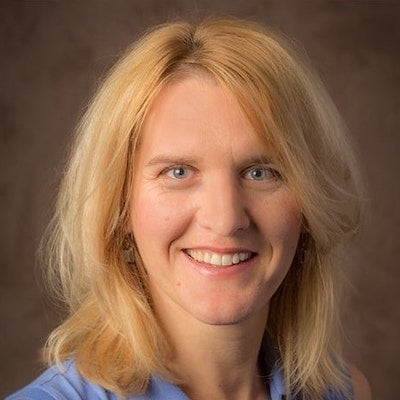
Miami University
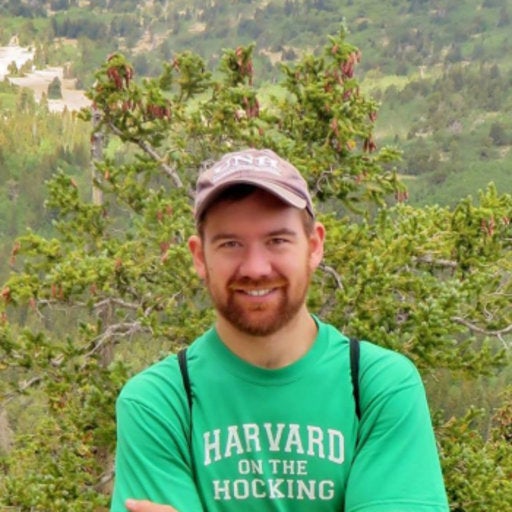
Ohio University
Oregon State University
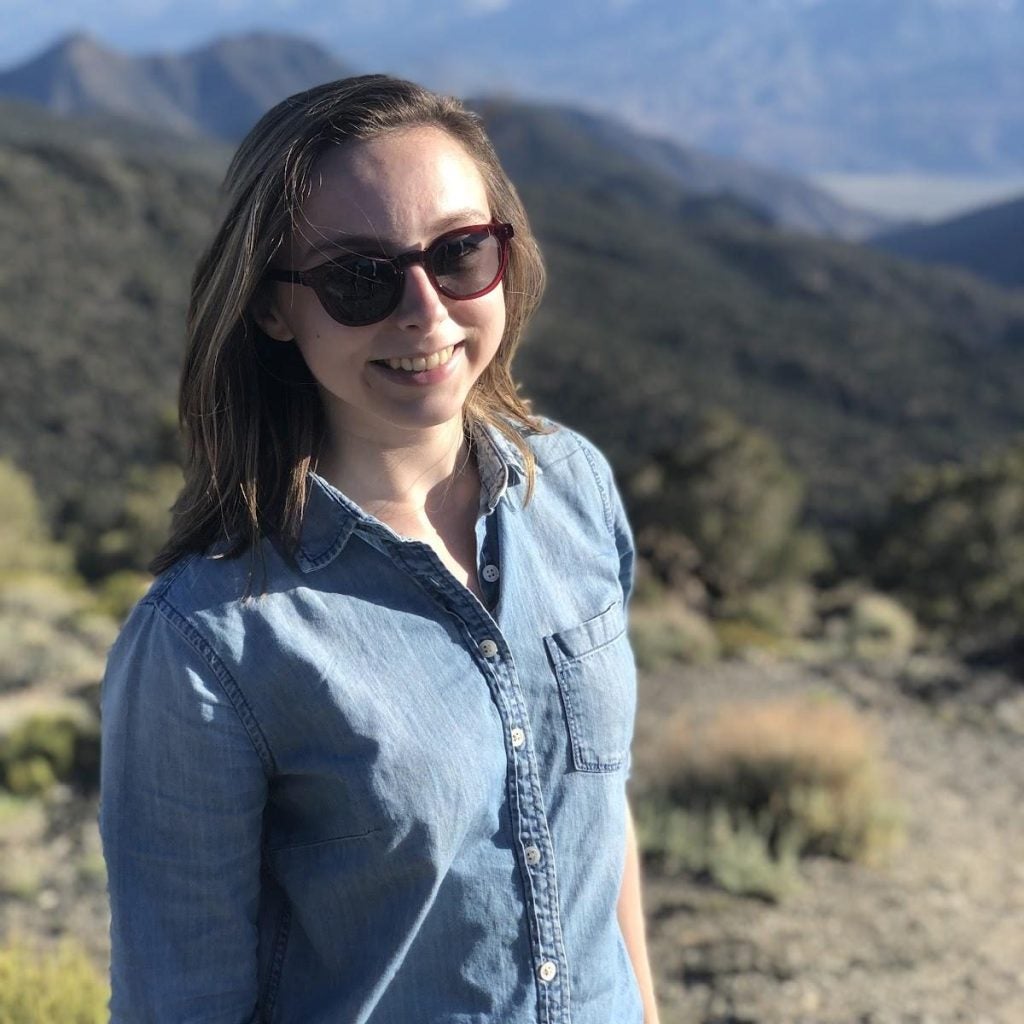
University of Minnesota
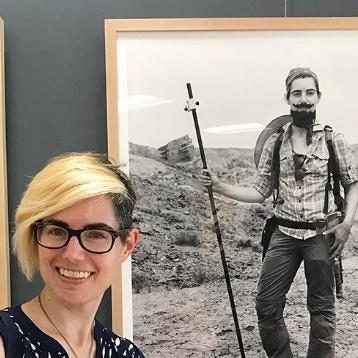
University of Michigan

University of Michigan

Federal University of Rio Grande do Sul
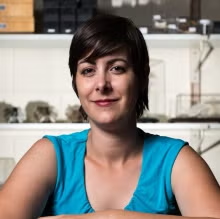
Georgia Tech
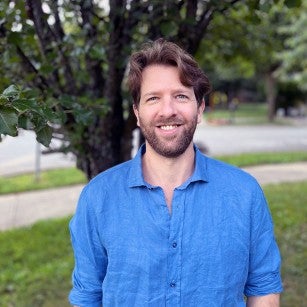
Indiana University

Australian National University
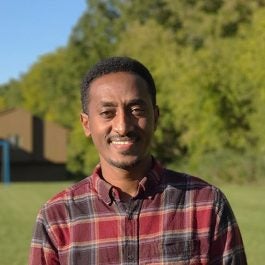
University of Michigan
University of Michigan

Goethe Universität

University of Michigan
National Autonomous University of Mexico
University of Oregon
University of New Hampshire

Eastern Tennessee State University
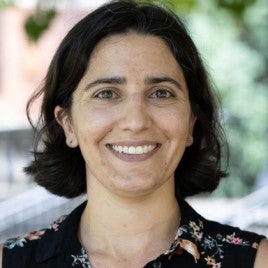
Oregon State University
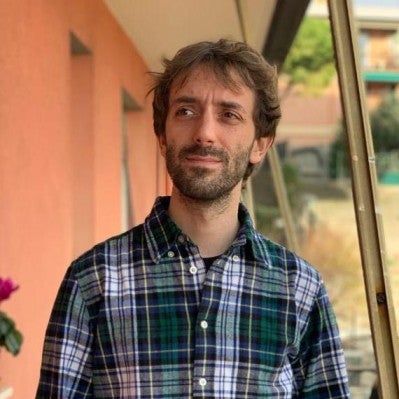
University of Fribourg

Florida State University

Arizona State University
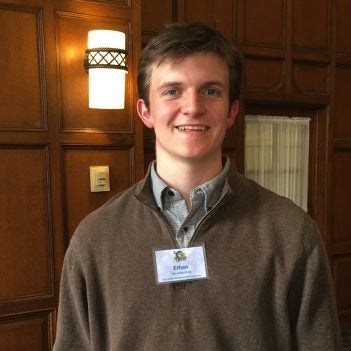
University of Michigan
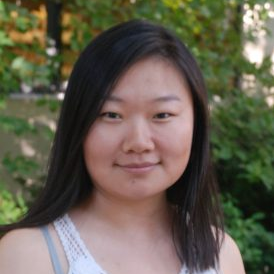
University of Michigan
University of Michigan

Stony Brook University
Stony Brook University
University of Michigan