
Global temperatures during the Cretaceous period (66-144 Ma) were 6-14°C warmer than today [Barron, 1983] and atmospheric CO2 levels were 400-1500 ppm [Hong and Lee, 2012]. This makes it a climate analog for temperatures and CO2 levels we are expected to reach in the coming 1-2 centuries. The presence of crocodiles and palm trees in Canada [Manchester et al., 2010] and forests on the Antarctic Peninsula [Francis & Poole, 2002] suggest the poles were much warmer than today, but data is murkier when it comes to tropical and mid-latitude warming. Climate reconstructions disagree on the magnitude and spatial pattern of the warming [Hay, 2008 and references therein]. Was the equator-to-pole temperature gradient similar to today? Flatter? Was it warmer everywhere? Or warmer at the poles but similar to modern in the tropics?
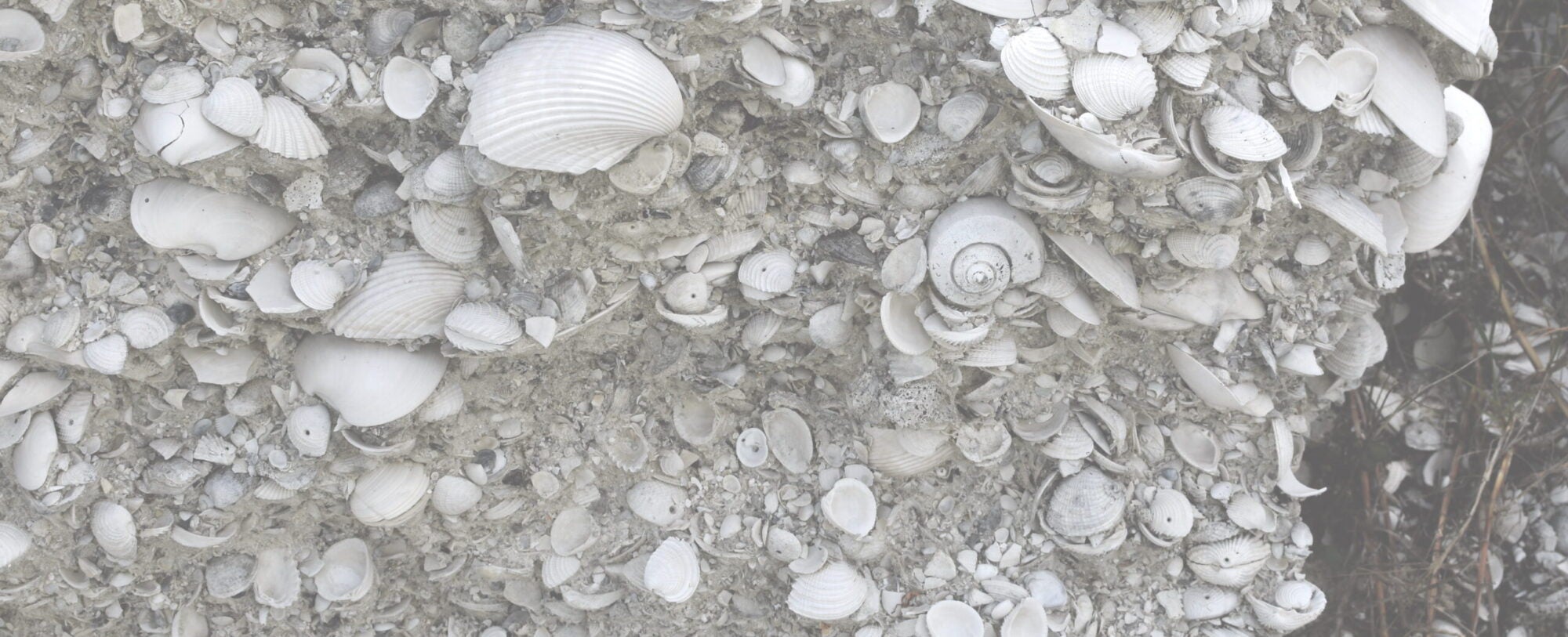
We are applying the clumped isotope paleothermometer to revisit the question of equator-to-pole temperature gradient in the Cretaceous period. We are gathering Maastrichtian-aged bivalve and gastropod shell fossils from as many locations around the world as possible to construct a time slice of the global temperature pattern for the very end of the Cretaceous.