
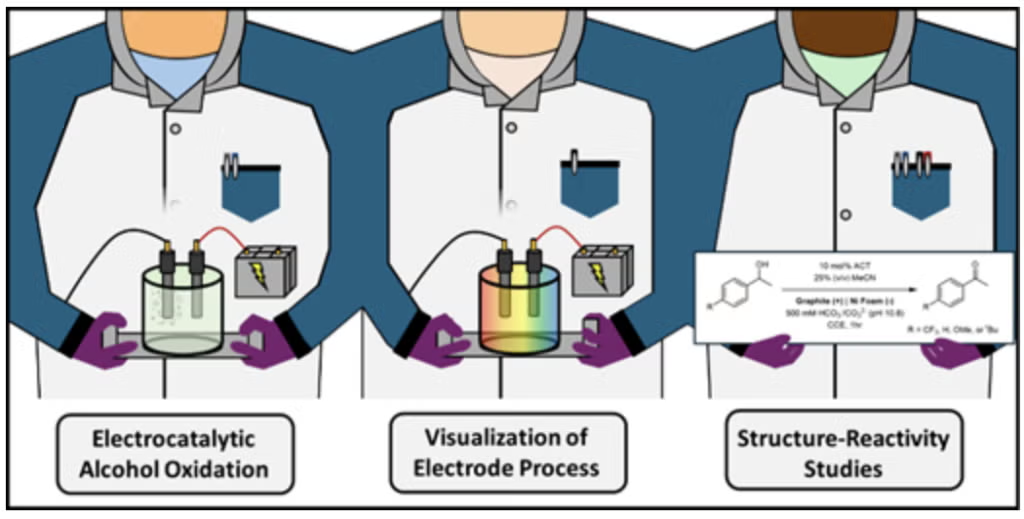
244. Kays, L.: Intano Jr., I.; Wachtel, Z.; Russell, V.; Mosey, R.A.; Carroll, B.; Lopez, L.; Phillips, M.; Sanford, M.S.*; Minteer, S.D.* “Electrochemical Alcohol Oxidation: An Accessible Electrosynthesis Experiment for Sophomore-Level Organic Chemistry” J. Chem. Educ. 2026
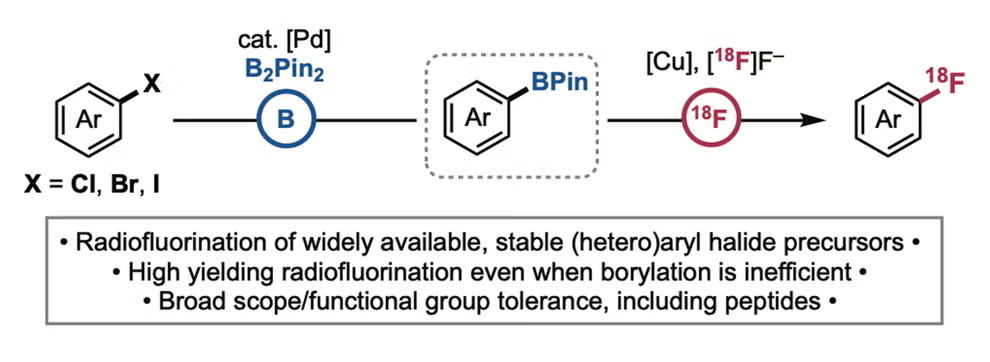
243. Noel, A. N.; Greco, S. G.; Horikawa, M.; Spiller, T. E.; Nichols, D. L.; Witek, J. A.; Brooks, A. F.; Scott, P. J. H.*; Sanford, M. S.* “18F Labelling of (Hetero)aryl Halides via Sequential Miyaura Borylation/Copper Mediated Radiofluorination”
Chem. Sci. 2026,
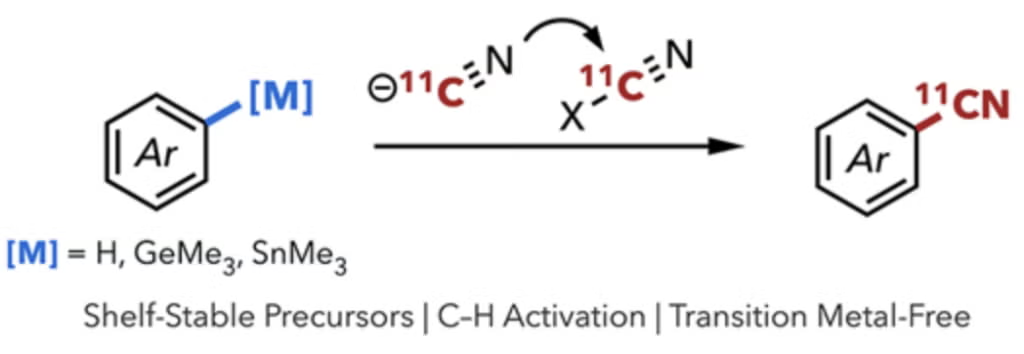
242. McCarthy, C.; Müller, M.; Ma, R.; Battisti, M. U.; Wright, J.; Webb, E.; Sanford, M. S.*; Herth, M.; Scott, P. J. H.* “Friedel-Crafts-Type Electrophilic Radiocyanation of (Hetero)Arenes” Org. Lett. 2026, 28, 2421-2426
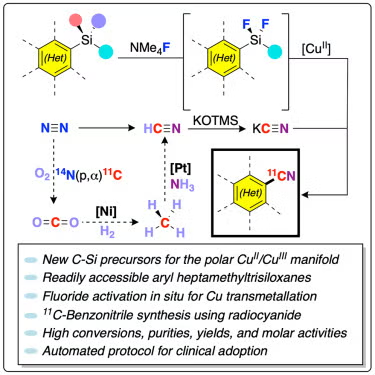
241. Wright, J. S.; Ma, R.; McCarthy, C. J.; Kaup, G.; George, E.; Priest, J. D.; Webb. E. W.; Cheng, K.; Bowden, G. D.; Brooks, A. F.; Shao, X.; Sanford, M. S.*; Scott, P. J. H.* “Organosilicon Precursors for Efficient Aromatic Copper-Mediated Radiocyanation” Chem 2026, 12, 102707
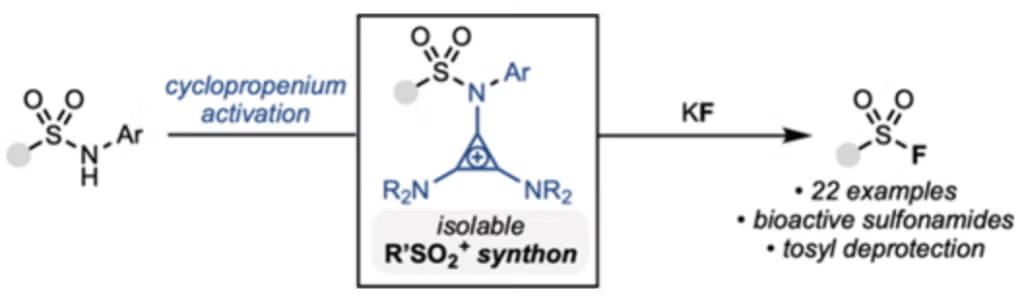
240. Carneiro, S. N.; Bento, J. V.; Zimmerman, P. M.; Sanford, M. S.* “Deaminative Fluorination of Sulfonamides via Aminocyclopropenium Activation” Org. Lett. 2026, 28, 15, 4801–4805
239. Rodrigo, S.; Sanford, M. S.*; Luo, L. “Electrochemical Trifluoromethylchlorosulfonylation of Alkenes via Copper-Mediated SO_CI Radical Transfer” Adv. Syn. Catal. 2025, 367,
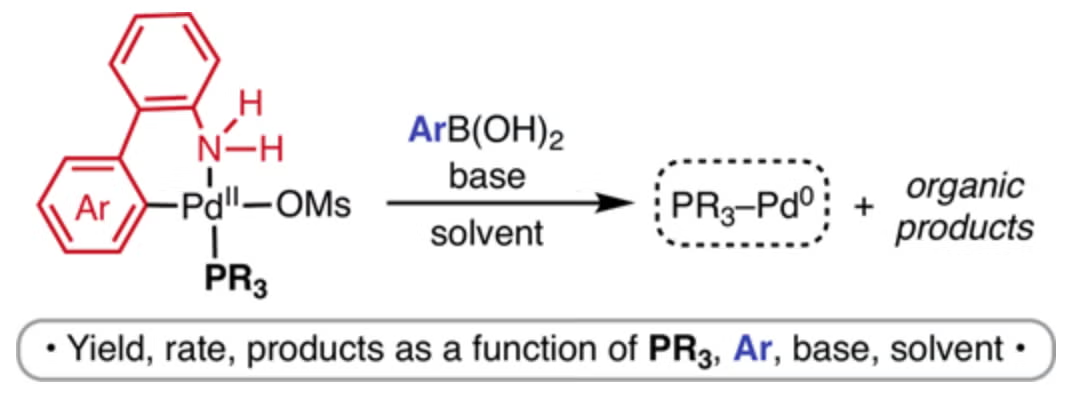
238. Wolesensky, R. M.; Morales-Colon, M. T.; Sanford, M. S.* “Initiation of Palladium Precatalysts: Efficiency and Product Selectivity as a Function of Ligand, Substrate, and Reaction Conditions” ACS Catal. 2025, 15, 21, 18758–18768
237. Hall, J. R.; Romer, N. P.; Spiller, T. E.; Sigman, M. S.; Sanford, M. S.* “Pd-catalyzed desulfonylative fluorination of electron-deficient (hetero)aryl sulfonyl fluorides” Chem. Sci., 2025, 16, 18936-18941

236. Wachtel, Z. E.; Thedford, J.; Carneiro, S. N.; Sanford, M. S.* “Flash Communication: Cyclopropenium Radical Dication as an Outer-Sphere Oxidant for Group 10 Metal Complexes” Organometallics 2025, 44, 18, 2003–2006

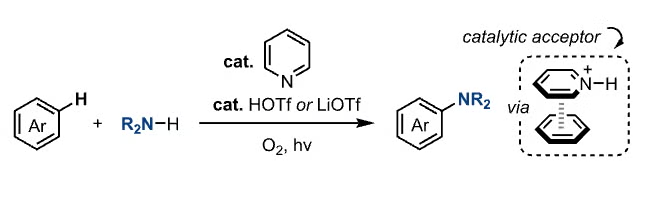
235. Brandes, D. S.; Lasky, M. R.; Lisboa A. V. R. D.; Liu, E.; Remy M. S.; Sanford, M. S.* “Photoactivation of Electron Donor–Acceptor Complexes for C(sp2)–H Amination of Arenes Using an Organocatalytic Acceptor”
Org. Lett. 2025, 27, 36, 10011–10015
234. Gu, F.; Lalloo, N.; Wearing, E. R.; Sanford, M. S.* “Palladium-Catalyzed Decarbonylative CH Difluoromethylation of Azoles” Org. Lett. 2025, 27, 30, 8144–8148

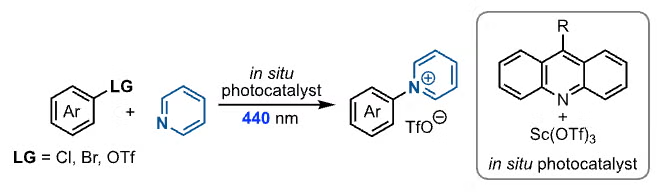
233. Reich, S. M.; Lasky, M. R.; Sanford, M. S.* “Visible-Light SNAr Pyridination of Aryl Halides and Triflates with Acridine-Lewis Acid Photocatalysts” J. Org. Chem. 2025, 90, 29, 10332–10337
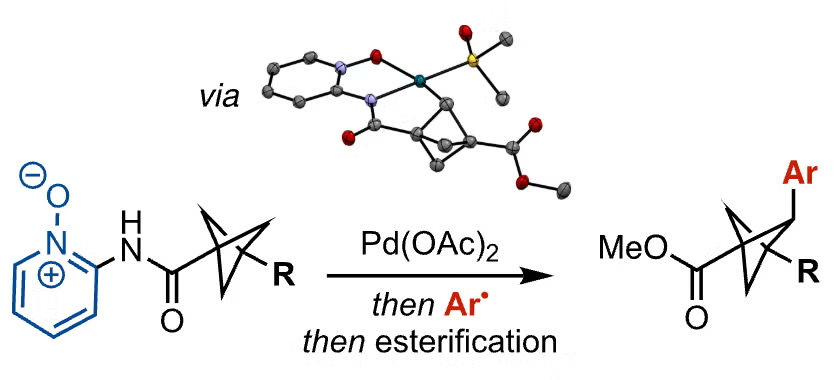
232. Bunnell, A.; Milbauer, M. W.; Bento, J. V.; Taimoory, S. M.; Zimmerman, P. M.; Kalyani, D.; Piou, T.*; Sanford, M. S.* “Mechanism-Guided Development of Directed C–H Functionalization of Bicyclo[1.1.1]pentanes”
J. Am. Chem. Soc. 2025, 147, 23, 20159–20167
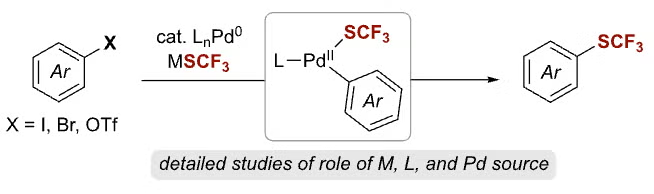
231. Thedford, J.; Sanford, M. S.* “Mechanistic Organometallic Studies Drive Reagent Selection and Catalyst Design for the Palladium-Catalyzed Trifluoromethylthiolation of Aryl Electrophiles” Organometallics 2025, 44, 11, 1210-1216
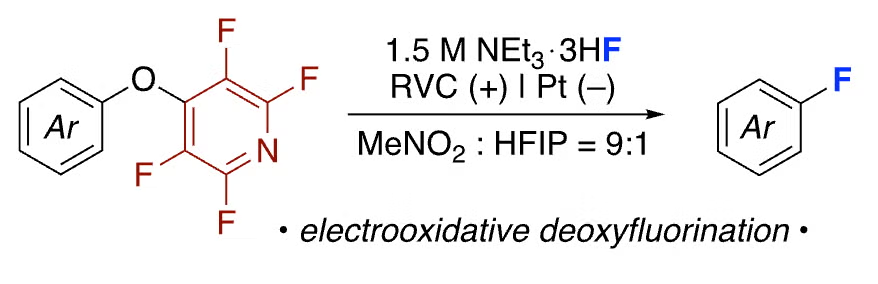
230. Liu, E.; Reich, S. M.; Tanwar, M.; Neurock, M.*; Luo, L.; Sanford, M. S.* “Electro-oxidative Deoxyfluorination of Arenes with NEt3·3HF” J. Org. Chem 2025, 90, 5, 1889–1894
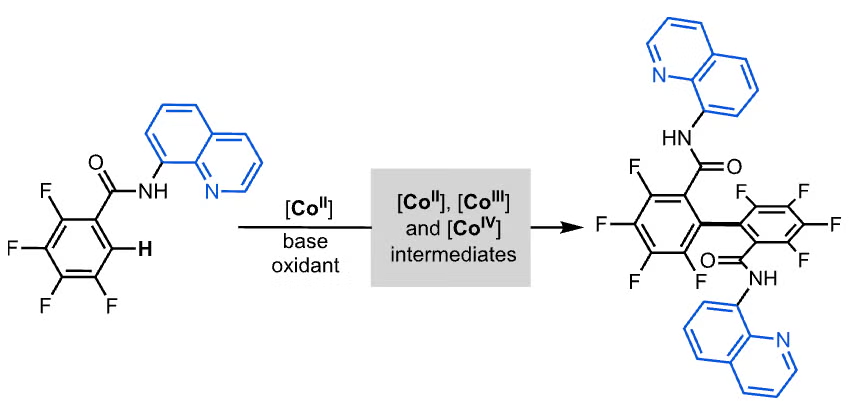
229. Nolan, L. E.; Qu F.; Sanford M. S.* “Exploration of Organometallic Cobalt Intermediates in an Aminoquinoline-Directed Dehydrogenative Dimerization Reaction” Organometallics 2024, 43, 19, 2165–2168
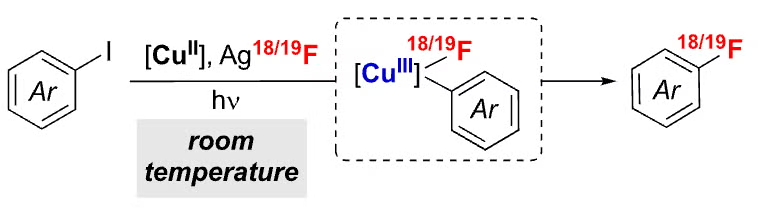
228. Spiller, T. E.; Donabauer, K.; Brooks, A. F.; Witek, J. A.; Bowden, G. D.; Scott, P. J. H; Sanford, M. S.* “Room-Temperature Photochemical Copper-Mediated Fluorination of Aryl Iodides” Org. Lett. 2024, 26, 30, 6433–6437
227. Nolan, E. L.; Blythe, I. M.; Qu, F.; Kampf, J. W.; Sanford, M. S.* “Speciation and Reactivity of Mono- and Binuclear Ni Intermediates in Aminoquinoline-Directed C–H Arylation and Benzylation” J. Am. Chem. Soc. 2024, 146, 26, 18128–18135

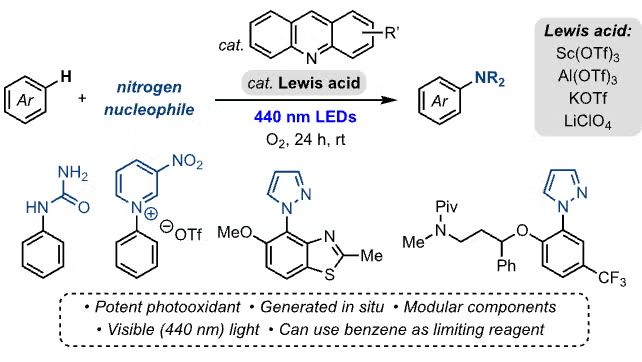
226. Lasky, M. R.; Liu, E.; Remy, M. S.; Sanford, M. S.* “Visible-Light Photocatalytic C–H Amination of Arenes Utilizing Acridine–Lewis Acid Complexes” J. Am. Chem. Soc. 2024, 146, 21, 14799-14806
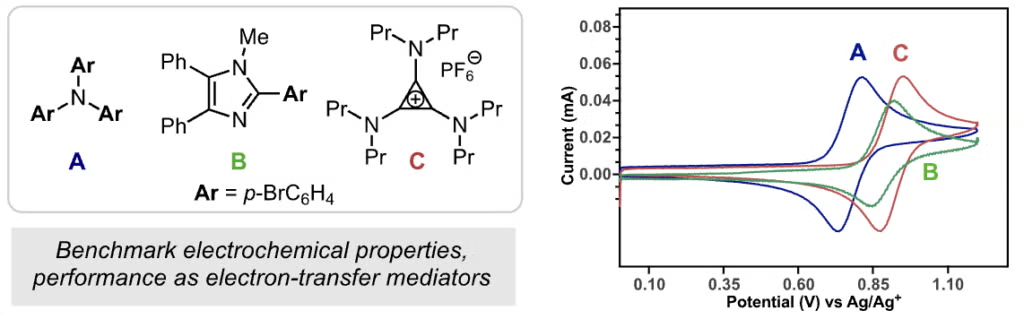
225. Carneiro, S. N.; Lafoon, J. D.; Luo, L.*; Sanford,M. S.* “Benchmarking Trisaminocyclopropeniums as Mediators for Anodic Oxidation Reactions” J. Org. Chem. 2024, 89, 9, 6389–6394
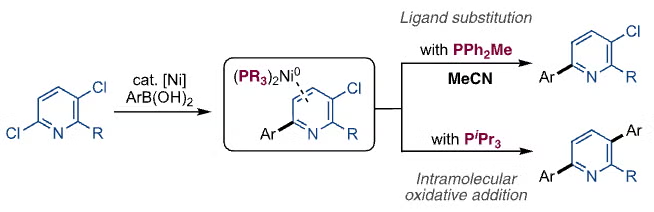
224. Duran-Camacho, G.; Bland, D. C.; Li, F.; Neufeldt, S. R.*; Sanford, M. S.* “Nickel-Based Catalysts for the Selective Monoarylation of Dichloropyridines: Ligand Effects and Mechanistic Insights” ACS Catal. 2024, 14, 9, 6404-6412
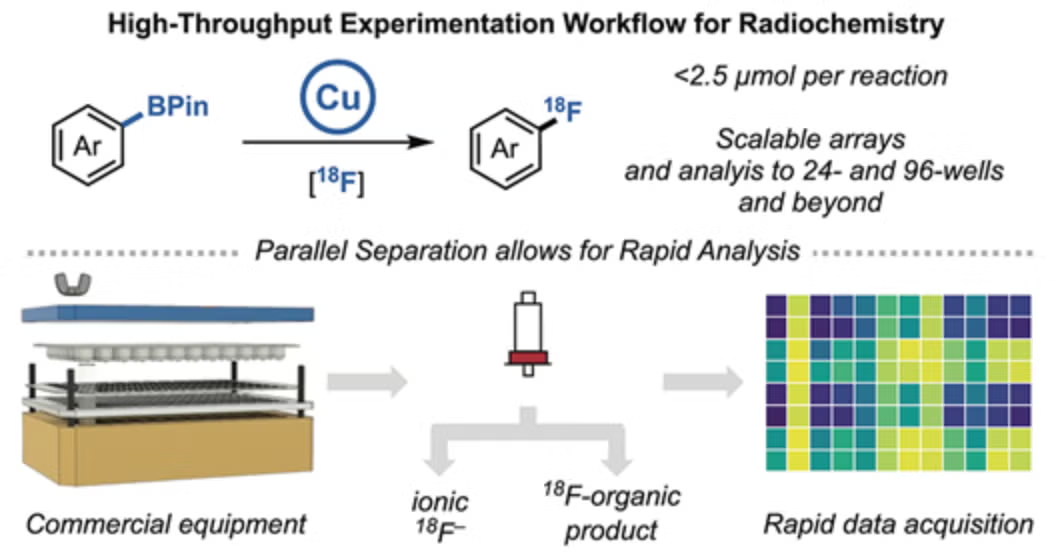
223. Webb, E. W.; Cheng, K.; Winton W. P.; Klein, B. J. C.; Bowden, G. D.; Horikawa, M.; Liu, S. W.; Wright J. S.; Verhoog, S; Kalyani, D.; Wismer, M.; Krska, S. W.; Sanford, M. S.*; Scott, P. J. H.* “Development of High-Throughput Experimentation Approaches for Rapid Radiochemical Exploration” J. Am. Chem. Soc. 2024, 146, 15, 10581–10590
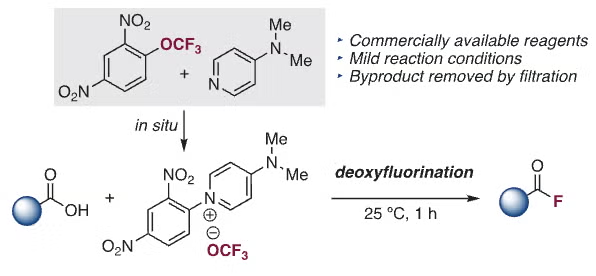
222. Lisboa, A. V. R. D.; Duran-Camacho, G.; Ehrlacher, A. K.; Lasky M. R.; Sanford, M. S* “Deoxyfluorination of Carboxylic Acids via an In Situ Generated Trifluoromethoxide Salt” Org. Lett. 2023, 25, 50, 9025-9029
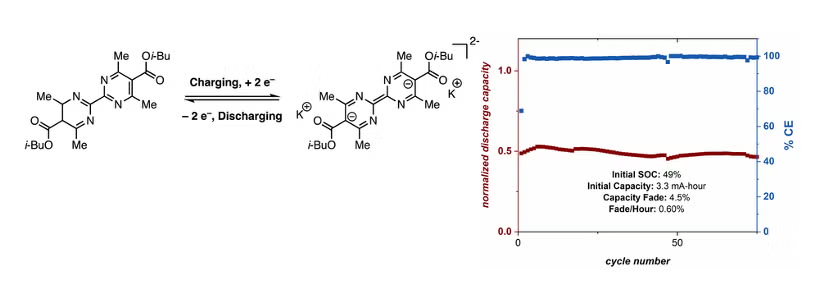
221. Pancoast, A. R.; Mccormack, S.; Galinat, S.; Walser-Kuntz, R.; Jett, B.; Sanford, M. S.; Sigman, M. S. “Data Science Enabled Discovery of a Highly Soluble 2,2’-Bipyrimidine Anolyte for Application in a Flow Battery”
Chem. Sci. 2023, 14, 13734-13742
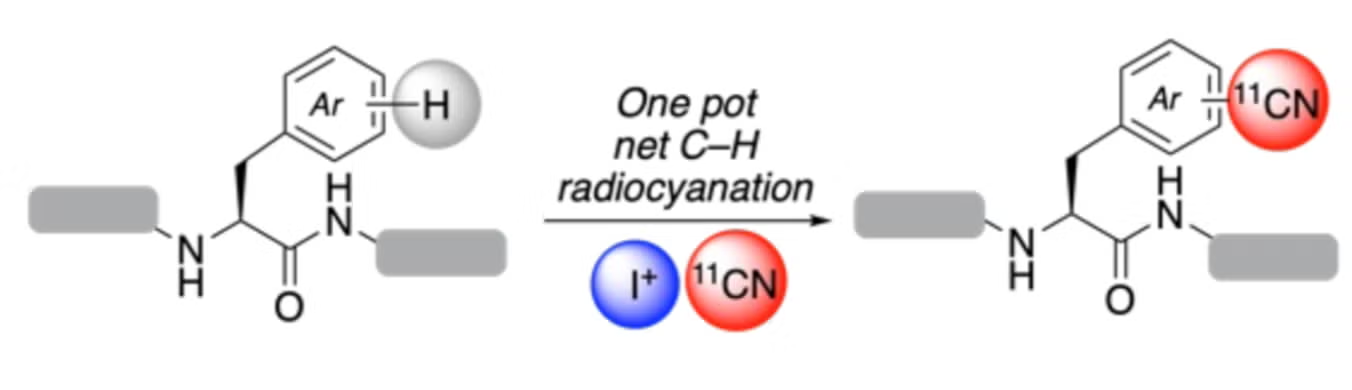
220. Horikawa, M.; Joy, S. T.; Sharninghausen, L. S.; Shao, X.; Mapp, A. K.; Scott, P. J. H.; Sanford, M. S. “C-H Radiocyanation of Bioactive Molecules Via Sequential Iodination/Copper-Mediated Cross-Coupling” Chem. Sci. 2023, 14, 12068-12072
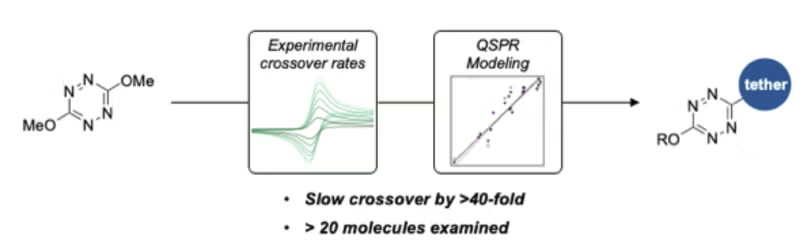
219. Jett, B.; Flynn, A.; Sigman, M.; Sanford, M. S.* “Identifying Structure-Function Relationships to Modulate Crossover in Nonaqueous Redox Flow Batteries” J. Mater. Chem. A, 2023, 11, 22288-22294
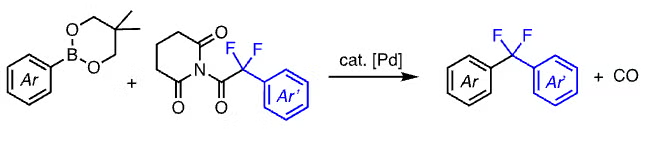
218. Bunnell, A.; Lalloo, N.; Brigham, C., Sanford, M. S.* ”Palladium-Catalyzed Decarbonylative Coupling of (Hetero) Aryl Boronate Esters with Difluorobenzyl Glutarimides” Org. Lett. 2023, 25, 41, 7584-7588
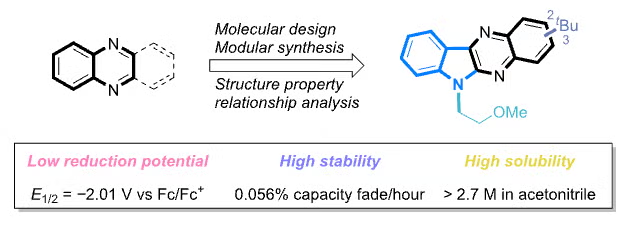
217. Zhang, W.; Walser-Kuntz, R.; Tracy, J. S.; Shee, J.; Chen, G.; Helms, B. A.; Schramm, T. K.; Head-Gordon, M.; Sanford, M. S.; Toste, F. D. “Indolo[2.3-b]quinoxaline as a Low Reduction Potential and High Stability Anolyte for Non-Aqueous Redox Flow Battery” J. Am. Chem. Soc. 2023, 145, 34, 18877-18887
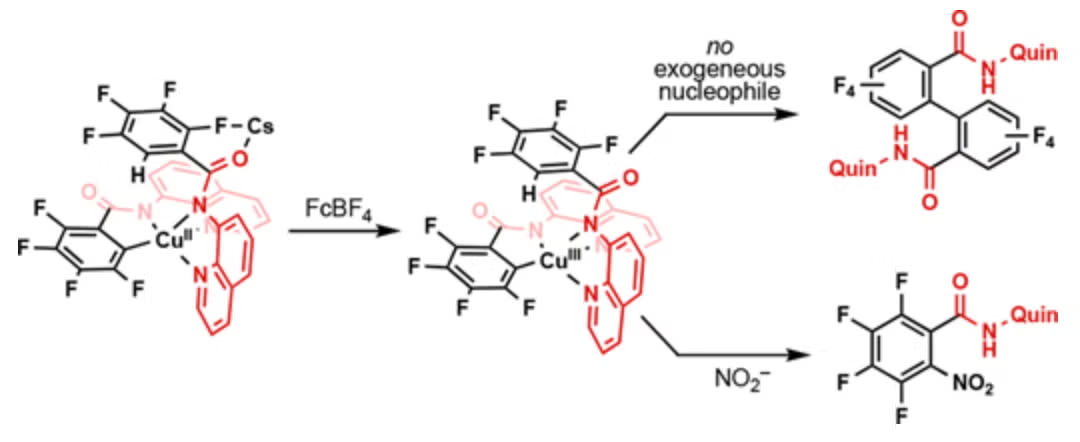
216. Blythe, I. M.; Xu, J.; Fernandez-Odell, J. S., Kampf, J.; Bowring, M.A.; Sanford, M. S.* “Characterization and Reactivity of Copper(II) and Copper(III) σ-Aryl Intermediates in Aminoquinoline-Directed C–H Functionalization”
J. Am. Chem. Soc. 2023, 145, 33, 18253-18259
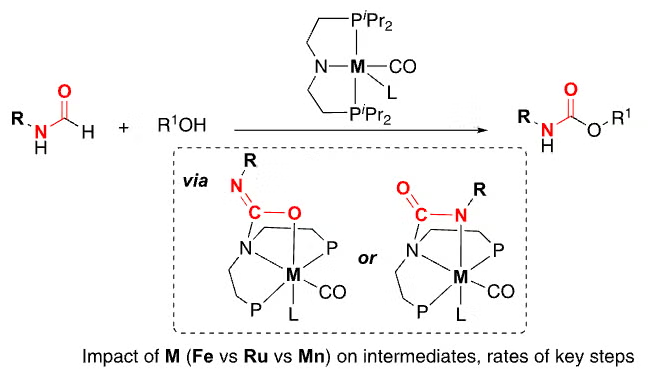
215. Kassie, A. A.; Castro De la Torre, I. Y.; Remy M. S.; Mukhopadhyay S.; Kampf, J.; Qu, F.; Sanford, M. S.* “Metal Identity Effects in the Pincer Complex-Catalyzed Dehydrogenative Coupling of Formamides with Alcohols to Form Carbamates” Organometallics 2023, 42, 10, 1030-1036
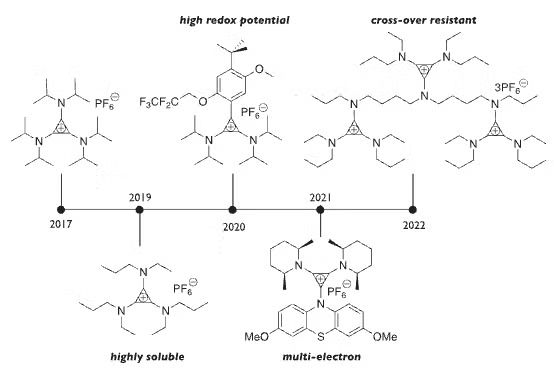
214. Walser-Kuntz, R.; Yan, Y.; Sigman, M. S.*; Sanford, M. S.* “A Physical Organic Chemistry Approach to Developing Cyclopropenium-Based Energy Storage Materials for Redox Flow Batteries” Acc. Chem. Res 2023, 56 ,10, 1030-1036
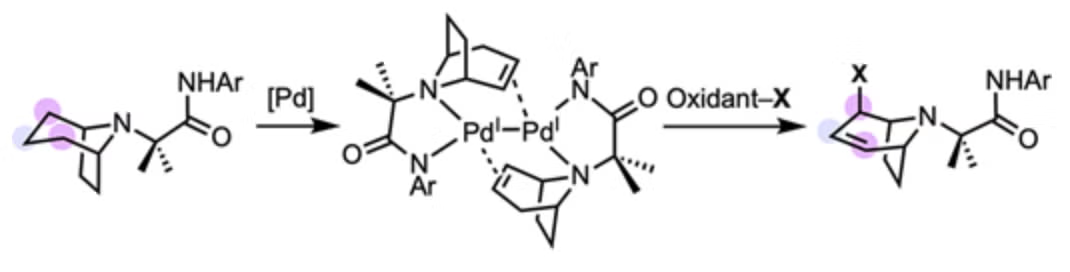
213. Aguilera, E. Y.; Liu, E.; Thullen, S. M.; and Sanford, M. S.* “Transannular Functionalization of Multiple C(sp3)–H Bonds of Tropane via an Alkene-Bridged Palladium(I) Dimer” Organometallics 2023, 42, 8, 627-631
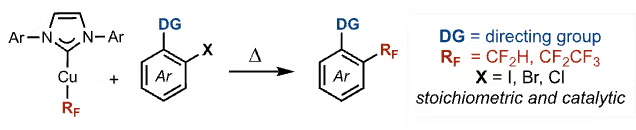
212. Hall, J. R.; Blythe, I. M.; Sharninghausen, L. S.; Sanford, M. S.* “Copper-Mediated Fluoroalkylation of Aryl Bromides and Chlorides Enabled by Directing Groups” Organometallics 2023, 42, 7, 543-546
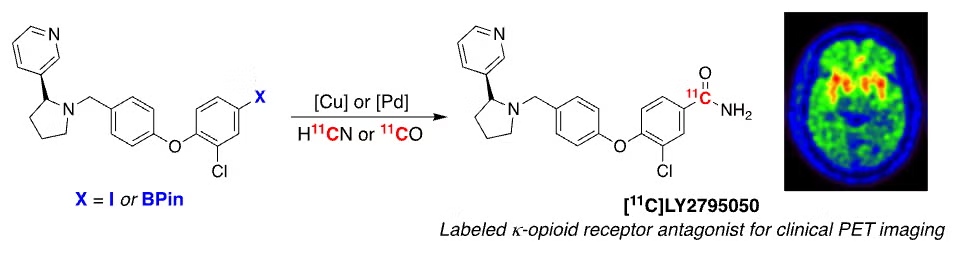
211. Kaur, T.; Shao, X.; Horikawa, M.; Sharninghausen, L. S.; Preshlock, S.; Brooks, A. F.; Henderson, B. D.; Koeppe, R. A; DaSilva, A. F.; Sanford, M. S*; Scott, P. J. H* “Strategies for the Production of [11C]LY2795050 for Clinical Use”
OPR&D 2023, 27, 2, 373-381
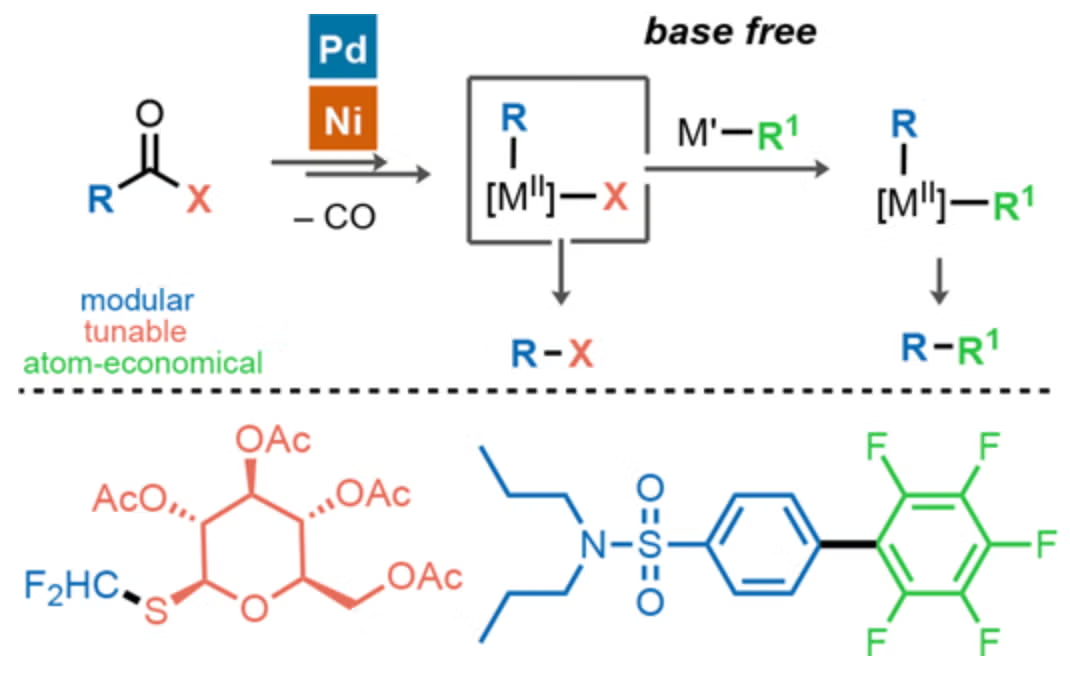
210. Lalloo, N.; Brigham, C. E.; Bunnell, A.; Sanford, M. S. “Mechanism-Driven Development of Group 10 Metal-Catalyzed Decarbonylative Coupling Reactions” Acc. Chem. Res 2022, 55, 23, 3430-3444
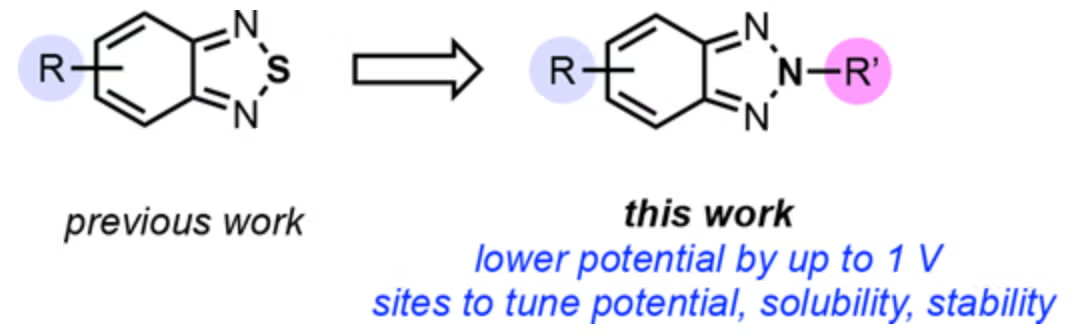
209. Yan, Y.; Zhang, L.; Walser-Kuntz, R.; Vogt, D. B.: Sigman, M. S.; Yu, G.; Sanford, M. S. “Benzotriazoles as Low-Potential Anolytes for Non-aqueous Redox Flow Batteries” Chem. Mater. 2022, 34, 23, 10594-10605
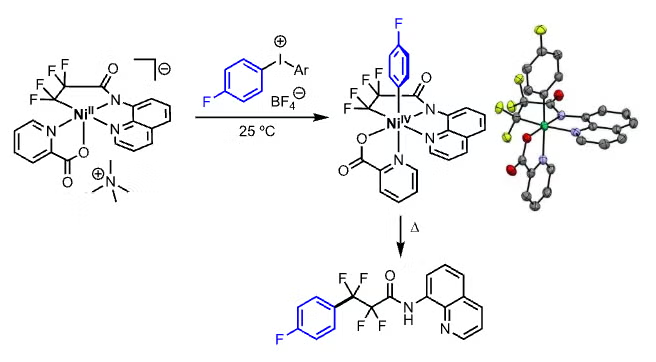
208. Milbauer, M. W.; Kampf, J. W.; Sanford, M. S. “Nickel(IV) Intermediates in Aminoquinoline-Directed C(sp2)–C(sp3) Coupling” J. Am. Chem. Soc. 2022, 144, 46, 21030-21034
207. Vaid, T. P.; Cook, M.; Scott, J.; Carazo, M. B.; Ruchti, J.; Minteer, S.; Sigman, M.; McNeil, A.; Sanford, M. S. “Theoretical and Experimental Investigation of Functionalized Cyanopyridines Yield an Extremely Low-Reduction-Potential Anolyte for Nonaqueous Redox Flow Batteries” Chem. Eur. J. 2022, 28, 70

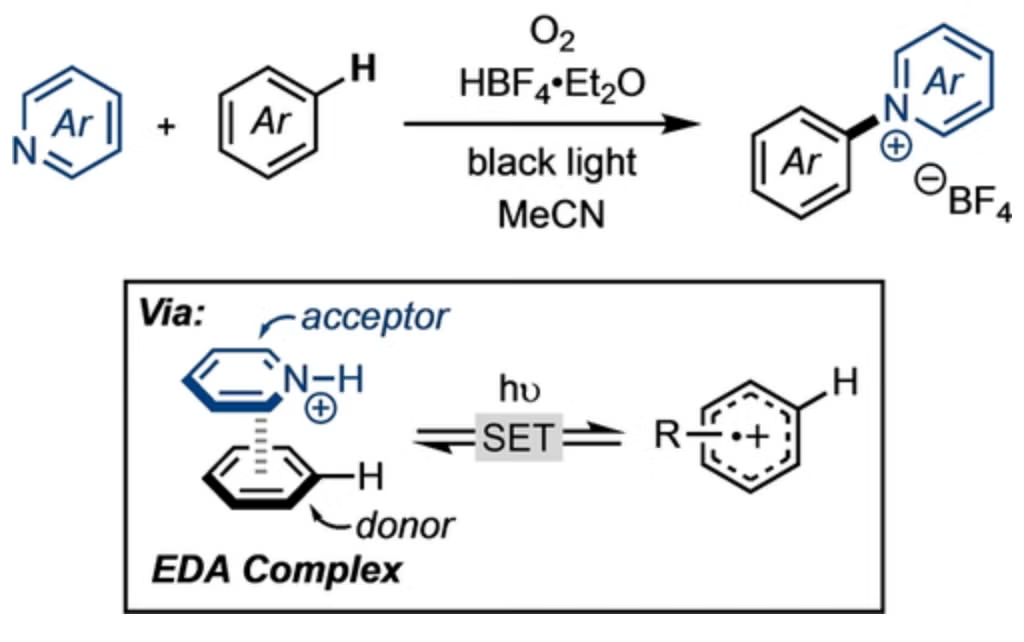
206. Lasky, M. R.; Salvador, T. K.; Mukhopadhyay, S.; Remy, M. S.; Vaid, T. P.; Sanford, M. S. “Photochemical C(sp2)–H Pyridination via Arene–Pyridinium Electron Donor–Acceptor Complexes” Angew. Chem. Int. Ed. 2022, 61, 46
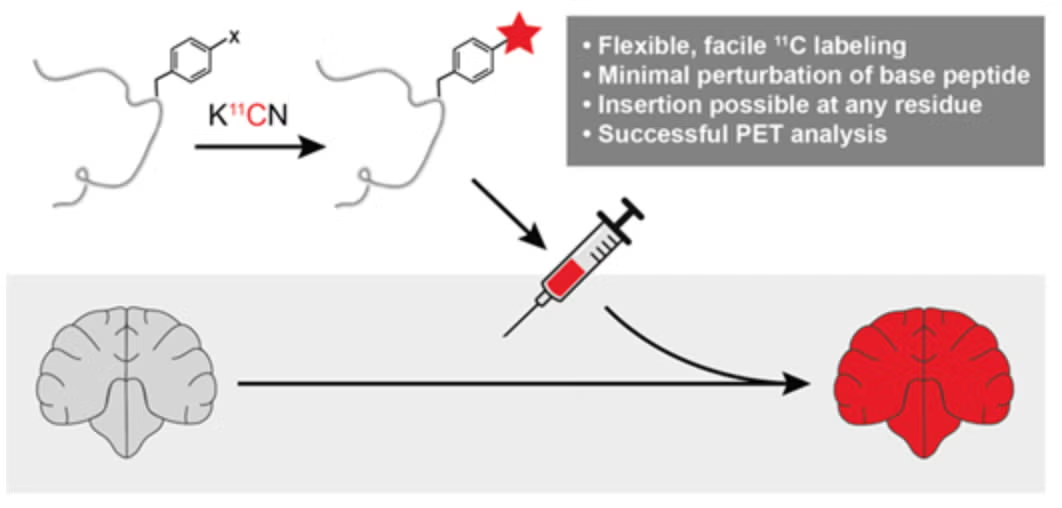
205. Sharninghausen, L. S.; Preshlock, S.; Joy, S. T.; Horikawa, M.; Shao, X.; Winton, W. P.; Stauff, J.; Kaur, T.; Koeppe, R. A.; Mapp, A. K.; Scott, P. J. H.; Sanford, M. S. “Copper Mediated Radiocyanation of Unprotected Amino Acids and Peptides”
J. Am. Chem. Soc. 2022, 144, 16, 7422-7429
204. Kim, D.; Sanford M.S.; Vaid, T.P.; McNeil, A. “A Nonaqueous Redox-Matched Flow Battery with Charge Storage in Insoluble Polymer Beads” Chem. Eur. J. 2022, 28, 25

203. Yan, Y.; Walser-Kuntz, R.; Sanford M.S. “Targeted Optimization of Phenoxazine Redox Center for Nonaqueous Redox Flow Batteries” ACS Materials 2022, 4, 4, 733-739
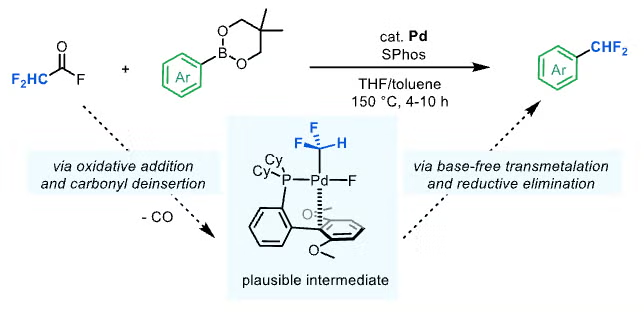
202. Lalloo, N.; Malapit, C.A.; Taimoory, S.M.; Brigham, C.E.; Sanford, M. S.* “Decarbonylative Fluoroalkylation at Palladium(II): From Fundamental Organometallic Studies to Catalysis” J. Am. Chem. Soc. 2021, 143, 44, 18617-18625
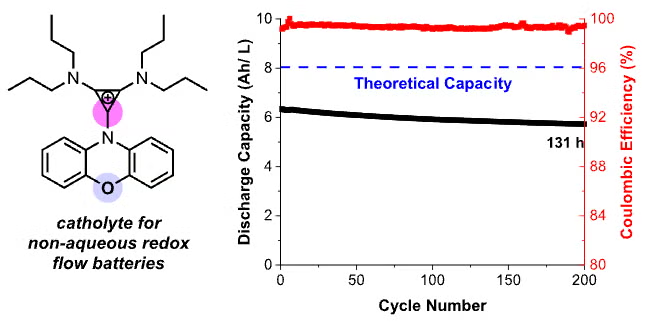
201. Yan, Y.; Vogt, D.B.; Vaid, T.P.; Sigman, M.S.; Sanford M.S. “Development of High Energy Density Diaminocyclopropenium-Phenothiazine Hybrid Catholytes for Non-Aqueous Redox Flow Batteries”
Angew. Chem. Int. Ed. 2021, 60, 52, 27039-27045

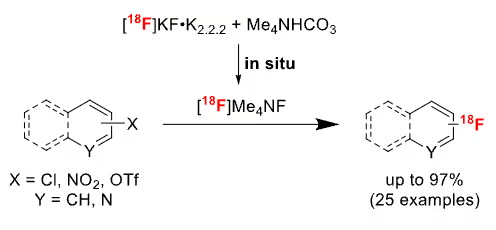
200. Lee, S.J.; Morales-Colon M.T.; Brooks, A.F.; Wright, K.J.; Scott, P.J.H.*; Sanford, M.S.* “SNAr Radiofluorination with In Situ Generated [18F] Tetramethylammonium Fluoride” J. Org. Chem. 2021, 86, 20, 14121-14130
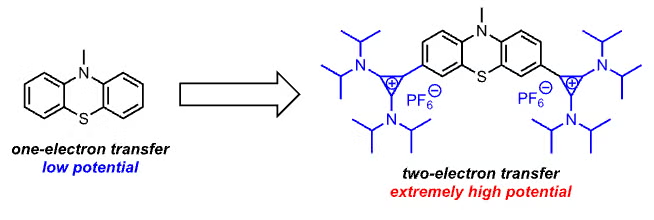
199. Yan, Y.; Robinson, S.G.; Vaid, T.P.; Sigman, M.S.; Sanford M.S.* “Simultaneously Enhancing the Redox Potential and Stability of Multi-Redox Organic Catholytes by Incorporating Cyclopropenium Substituents” J. Am. Chem. Soc. 2021, 143, 33, 13450-13459
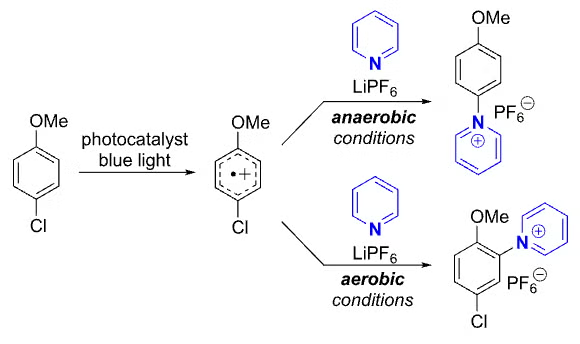
198. Mantell, M.A.; Lasky, M.R.; Lee, M.; Remy, M.; Sanford M.S. “SNAr and C–H Amination of Electron Rich Arenes with Pyridine as a Nucleophile Using Photoredox Catalysis” Org. Lett. 2021, 23, 13, 5213-5217
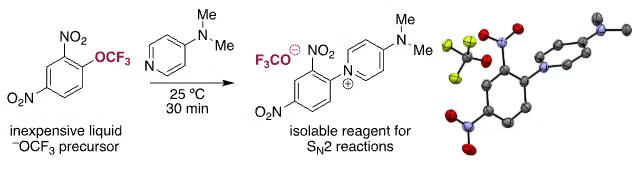
197. Duran-Camacho, G.; Ferguson, D.M.; Kampf, J.W.; Bland, D.C.; Sanford M.S. “Isolable Pyridinium Trifluoromethoxide Salt for Nucleophilic Trifluoromethoxylation” Org. Lett. 2021, 23, 13, 5138-5142
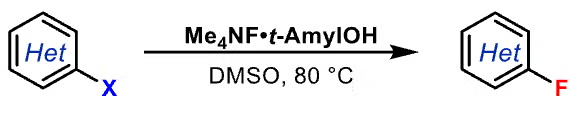
196. Morales-Colon, M.T.; See, Y.Y; Lee, S.J.; Scott, P.J.H; Bland, D.C; Sanford M.S. “Tetramethylammonium Fluoride Alcohol Adducts for SNAr Fluorination” Org. Lett. 2021, 23, 11, 4493–4498
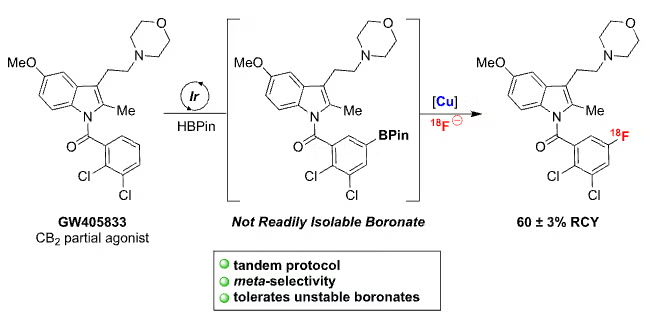
195. Wright, J.S.; Sharninghausen, L.S.; Preshlock, S.; Brooks A. F.; Sanford M.S.*; Scott, P.J.H.* “Sequential Ir/Cu-Mediated Method for the Meta-Selective C–H Radiofluorination of (Hetero)Arenes,” J. Am. Chem. Soc. 2021, 143, 6915-6921
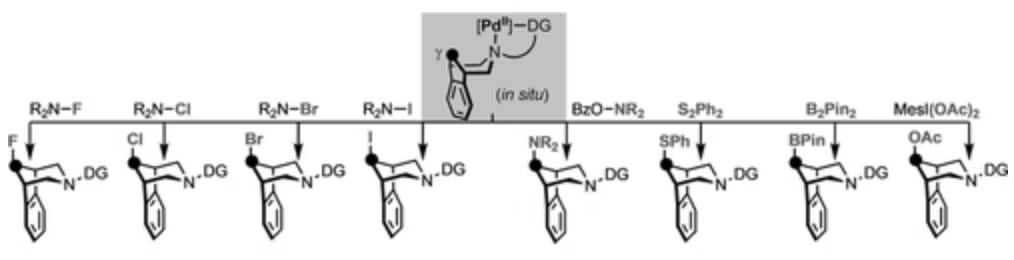
194. Aguilera, E.Y.; Sanford, M.S. “Palladium‐Mediated Cγ−H Functionalization of Alicyclic Amines,”
Angew. Chem. Int. Ed. 2021, 60, 20, 11227-11230
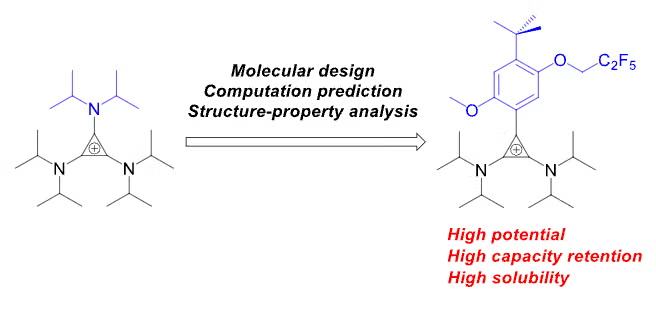
193. Yan, Y.; Vaid T.P.; Sanford, M.S.*“Bis(diisopropylamino)cyclopropenium-arene Cations as High Oxidation Potential and High Stability Catholytes for Non-aqueous Redox Flow Batteries,” J. Am. Chem. Soc. 2020, 10, 17564–17571
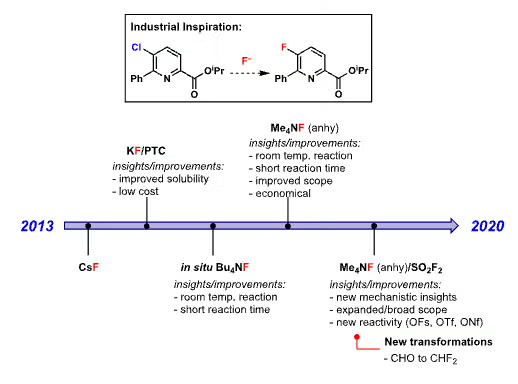
192. See, Y.; Morales-Colon, M.T.; Bland, D.C.; Sanford, M.S. “Development of SNAr Nucleophilic Fluorination: A Fruitful Academia-Industry Collaboration,” Acc. Chem. Res. 2020, 10, 2372–2383
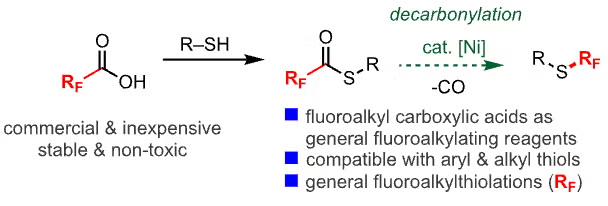
191. Brigham, C.; Malapit, C.; Lalloo, N.; Sanford, M.S. “Nickel-Catalyzed Decarbonylative Synthesis of Fluoroalkyl Thioethers,” ACS Catalysis. 2020, 10, 8315-8320
190. Wright, J.; Kaur, T.; Preshlock, S.; Tanzey, S.; Winton, W.; Sharninghausen, L.; Weisner, N.; Brooks, A.; Sanford, M.S.; Scott, P. “Copper-mediated late-stage radiofluorination: five years of impact on preclinical and clnical PET imaging,”
Clinical and Translational Imaging 2020, 8, 167-206
189. Sharninghausen, L.S.; Brooks, A.F.; Winton W.; Makaravage, K.J.; Scott, P.J.H.; Sanford, M.S. “NHC-Copper Mediated Ligand-Directed Radiofluorination of Aryl Halides,” J. Am. Chem. Soc. 2020, 142, 16, 7362-7367

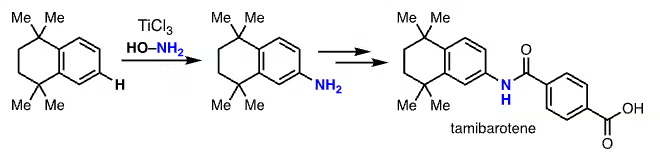
188. See, Y.Y.; Sanford, M.S.“C-H Amination of Arenes with Hydroxylamine,” Org. Lett. 2020, 22, 8, 2931–2934
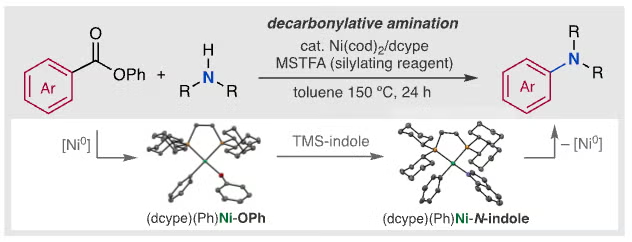
187. Malapit, C.A.; Borrell, M; Milbauer, M.W.; Brigham, C.E.; Sanford, M.S. “Nickel-Catalyzed Decarbonylative Amination of Carboxylic Acid Esters,” J. Am. Chem. Soc. 2020, 142, 13, 5918-5923
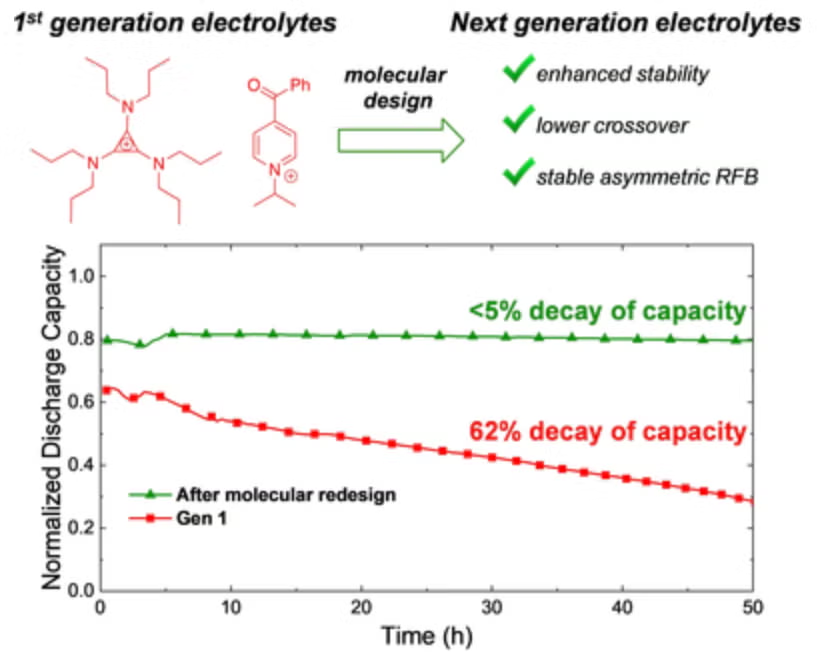
186. Shrestha, A.; Hendriks, K.; Sigman, M.; Minteer, S.; Sanford, M.S. “Realization of an Asymmetric Non‐Aqueous Redox Flow Battery through Molecular Design to Minimize Active Species Crossover and Decomposition,”
Chemistry – A European Journal 2020, 26, 24, 5369-5373
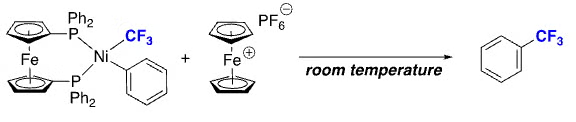
185. Bour, J.; Pronay, R.; Canty, A.; Kampf, J.; Sanford, M.S. “Oxidatively Induced Aryl-CF3 Coupling at Diphosphine Nickel Complexes,” Organometallics 2019, 39, 1, 3-7
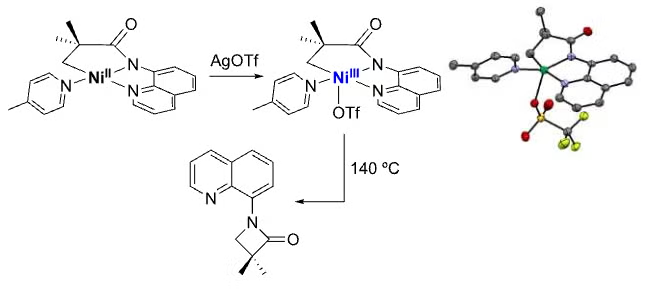
184. Roy, P.; Bour, J. R.; Sanford, M. S. “Catalytically Relevant Intermediates in the Ni-Catalyzed C(sp2)–H and C(sp3)–H Functionalization of Aminoquinoline Substrates,” J. Am. Chem. Soc. 2019, 141, 17382-17387
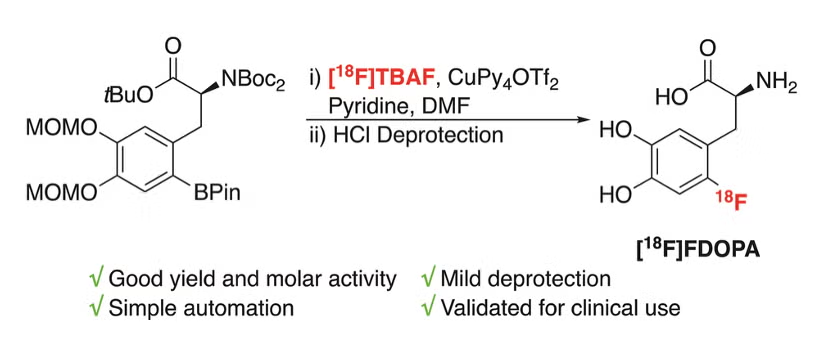
183. Mossine, A. V.; Tanzey, S. S.; Brooks, A. F.; Makavarage, K. J.; Ichiishi, N.; Miller, J.; Henderson, B. D.; Skaddan, M.; Sanford, M. S.; Scott, P. J. H. “One-Pot Synthesis of High Specific Activity 6-[18F]Fluoro-L-DOPA Suitable for Human Use by Cu-Mediated Fluorination of a Bpin Precursor,” Org. Biomol. Chem. 2019, 17, 8701-8705
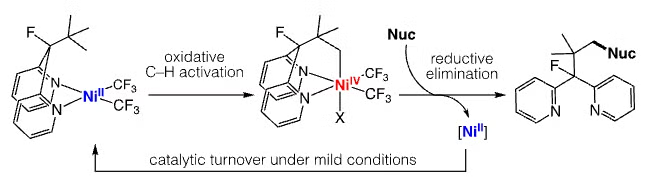
182. Roberts, C. C.; Chong, E.; Kampf, J. W.; Canty, A. J.; Ariafard, A.; Sanford, M. S. “Nickel(II/IV) Manifold Enables Room Temperature C(sp3)–H Functionalization,” J. Am. Chem. Soc. 2019, 141, 49, 19513–19520
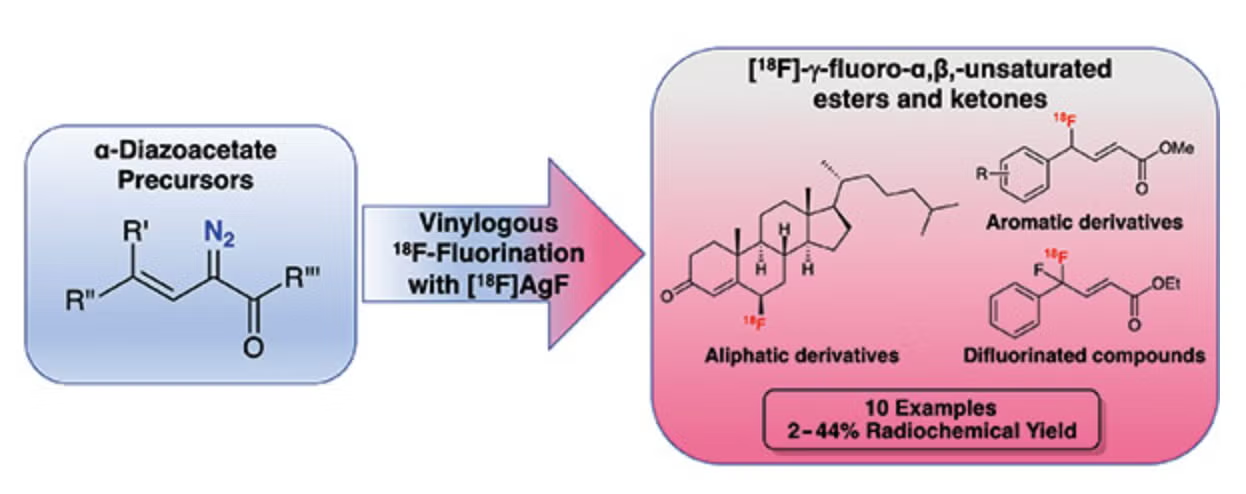
181. Thompson, S.; Lee, S. J.; Jackson, I. M.; Ichiishi, N.; Brooks, A. F.; Sanford, M. S.; Scott, P. J. H. “Synthesis of [18F]-y-fluoro-a,B-unsaturated Esters and Ketones via Vinylogous 18F-fluorination of a-Diazoacetates with [18F]AgF,” Synthesis 2019, 51, 4401-4407
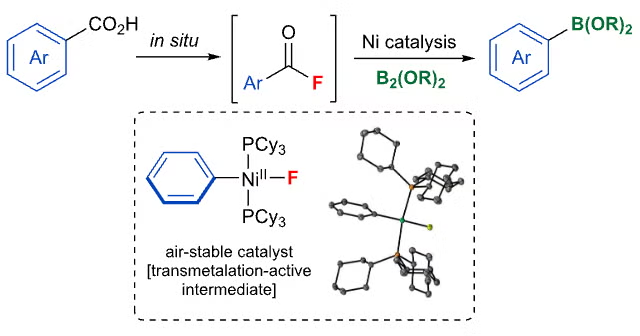
180. Malapit, C. A.; Bour, J. R.; Laursen, S. R.; Sanford, M. S. “Mechanism and Scope of Nickel-Catalyzed Decarbonylative Borylation of Carboxylic Acid Fluorides,” J. Am. Chem. Soc. 2019, 141, 17322-17330
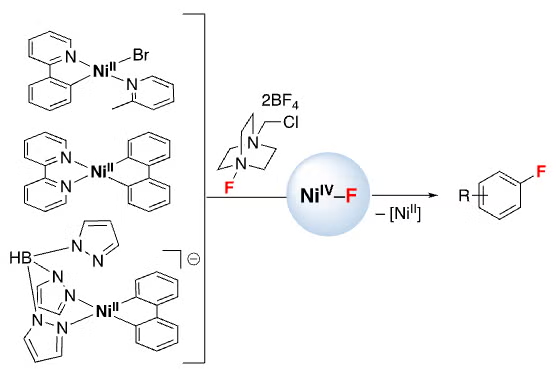
179. Meucci, E. A.; Ariafard, A.; Canty, A. J.; Kampf, J. W.; Sanford, M. S. “Aryl–Fluoride Bond-Forming Reductive Elimination from Nickel(IV) Centers,” J. Am. Chem. Soc. 2019, 141, 13261-13267
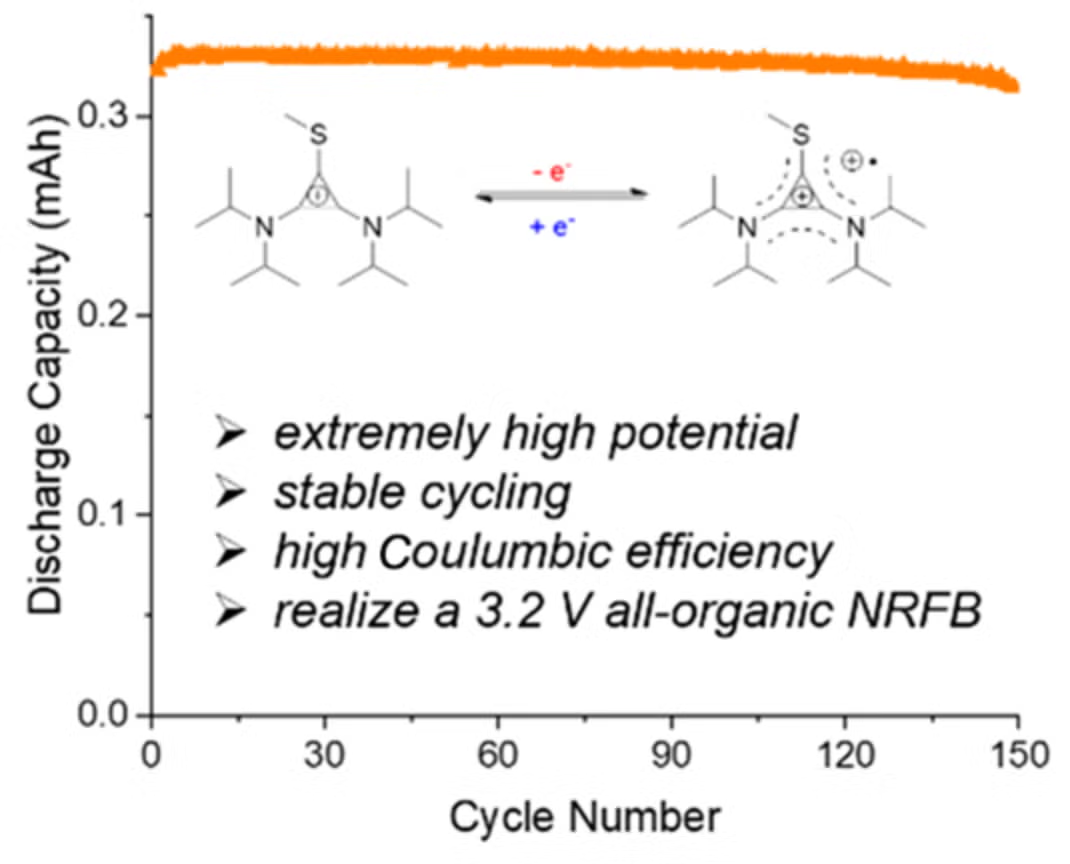
178. Yan, Y.; Robinson, S. G.; Sigman, M. S.; Sanford, M. S. “Mechanism-Based Design of a High-potential Catholyte Enables a 3.2 V All-organic Non-aqueous Redox Flow Battery,” J. Am. Chem. Soc. 2019, 141, 15301-15306
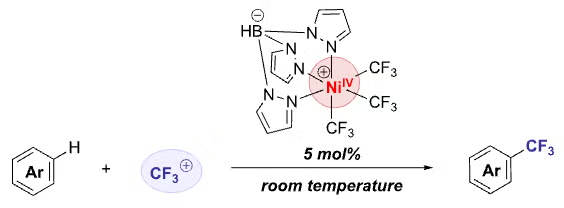
177. Meucci, E. A.; Nguyen, S. N.; Camasso, N. M.; Chong, E.; Ariafard, A.; Canty, A. J.; Sanford, M. S. “Nickel(IV)-Catalyzed C–H Trifluoromethylation of (Hetero)Arenes,” J. Am. Chem. Soc. 2019, 141, 12872-12879
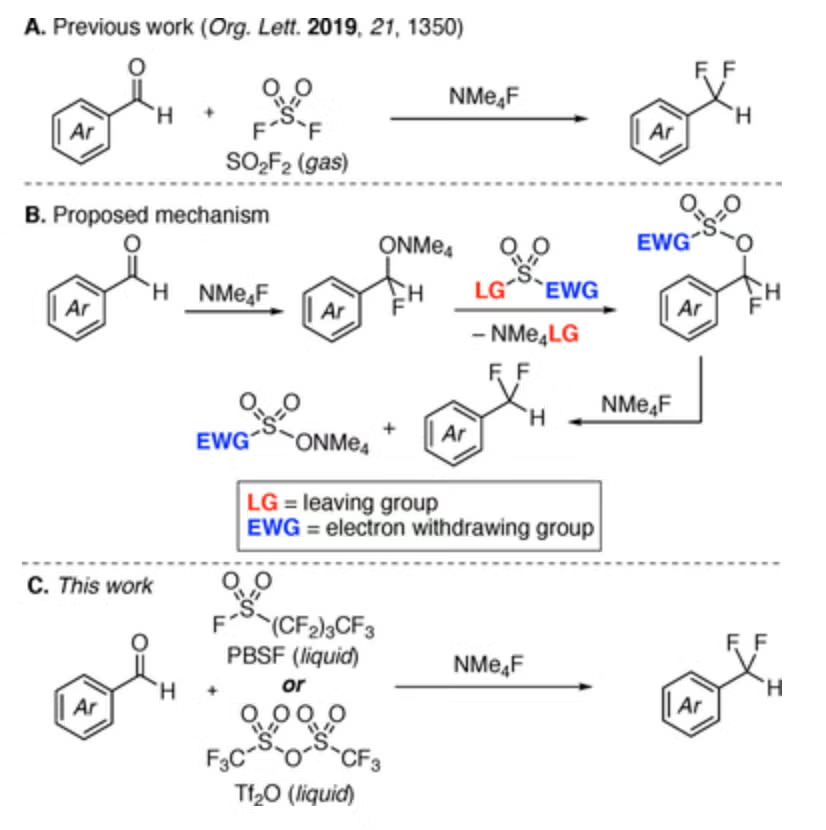
176. Ferguson, D. M.; Melvin, P. R.; Sanford, M. S. “Deoxyfluorination of (Hetero)aryl Aldehydes Using Tetramethylammonium Fluoride and Perfluorobutanesulfonyl Fluoride or Trifluoromethanesulfonic Anhydride,”
Isr. J. Chem. 2019, 51, 1-5
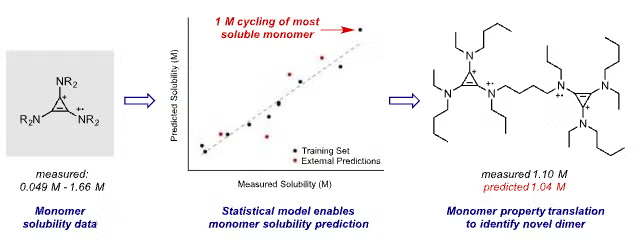
175. Robinson, S. G.; Yan, Y.; Hendriks, K. H.; Sanford, M. S.; Sigman, M. S. “Developing a Predictive Solubility Model for Monomeric and Oligomeric Cyclopropenium Flow Battery Catholytes,” J. Am. Chem. Soc. 2019, 141, 10171-10176
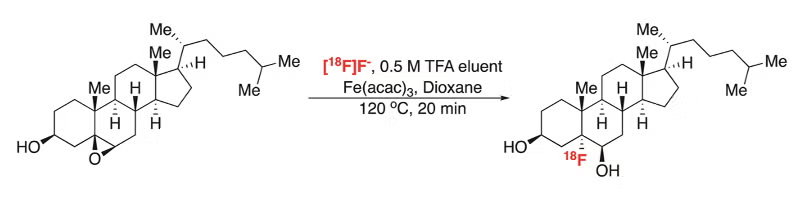
174. Verhoog, S.; Brooks, A. F.; Winton, W. P.; Viglianti, B. L.; Sanford, M. S.; Scott, P. J. H. “Ring-Opening of Epoxides with [18F]FeF Species to Produce Fluorohydrin PET Imaging Agents,” Chem. Commun. 2019, 55, 6361-6364
173. Bour, J. R.; Ferguson, D. M.; McClain, E. J.; Kampf, J. W.; Sanford, M. S. “Connecting Organometallic Ni(III) and Ni(IV): Reactions of Carbon-Centered Radicals with High-Valent Organonickel Complexes,” J. Am. Chem. Soc. 2019, 141, 8914-8920

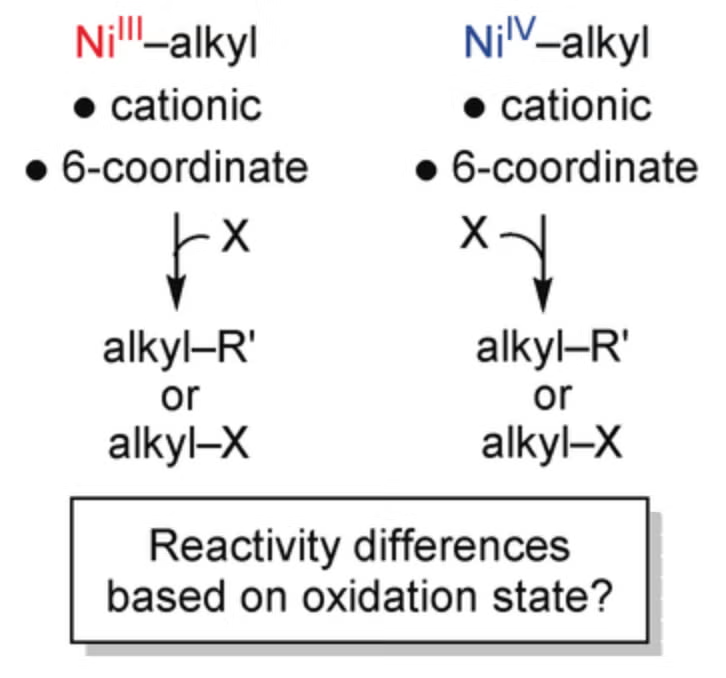
172. Roberts, C. R.; Camasso, N. M.; Bowes, E. G.; Sanford, M. S. “Impact of Oxidation State on Reactivity and Selectivity Differences between Nickel(III) and Ni(IV) Alkyl Complexes,” Angew. Chem. Int. Ed. 2019, 58, 9104-9108
171. Lee, S. J.; Brooks, A. F.; Ichiishi, N.; Makaravage, K. J.; Mossine, A. V.; Sanford, M. S.; Scott, P. J. H. “C–H [18F]Fluorination of 8-Methylquinolines with Ag18F,” Chem. Commun. 2019, 55, 2976-2879

170. Ferguson, D. M.; Malapit, C. M.; Bour, J. R.; Sanford, M. S. “Palladium-Catalyzed Difluoromethylation of Aryl Chlorides and Bromides with TMSCF2H,” J. Org. Chem. 2019, 84, 3735-3740

169. Melvin, P. R.; Ferguson, D. M.; Schimler, S. D.; Bland, D. C.; Sanford, M. S. “Room Temperature Deoxyfluorination of Benzaldehydes and a-Ketoesters with Sulfuryl Fluoride and Tetramethylammonium Fluoride,”
Org. Lett. 2019, 21, 1350-1353

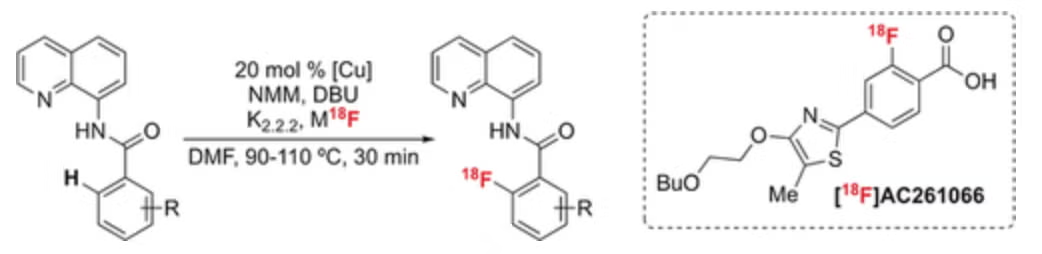
168. Lee, S. J.; Makaravage, K. J.; Brooks, A. F.; Sanford, M. S.; Scott, P. J. H. “Cu-Mediated Aminoquinoline-Directed Radiofluorination of Aromatic C–H Bonds with KF,” Angew. Chem. Int. Ed. 2019, 58, 3119-3122
167. Ferguson, D. M.; Bour, J. R.; Canty, A. J.; Kampf, J. W.; Sanford, M. S. “Aryl–CF3 Coupling from Phosphinoferrocene-Ligated Palladium(II) Complexes,” Organometallics 2019, 38, 519-526

166. Aguilera, E. Y.; Sanford, M. S. “Model Complexes for the Palladium-Catalyzed Transannular C–H Functionalization of Alicyclic Amines,” Organometallics 2019, 38, 138-142

165. Vaid, T. P.; Sanford, M. S. “An Organic Super-Electron Donor as a High Energy Density Negative Electrolyte for Nonaqueous Flow Batteries,” Chem. Commun. 2019, 55, 11037-11040

164. Bour, J. R.; Ferguson, D. M.; McClain, E. J.; Kampf, J. W.; Sanford, M. S. “Connecting Organometallic Ni(III) and Ni(IV): Reactions of Carbon-Centered Radicals with High-Valent Organonickel Complexes,” J. Am. Chem. Soc. 2019, 141, 8914–8920

163. Lee, M.; Adams, A.; Cox, P. B.; Sanford, M. S. “Access to 3D Alicyclic Amine-Containing Fragments through Transannular C–H Arylation,” SynLett 2019, 30, 417–422

162. Ferguson, D. M.; Bour, J. R.; Canty, A. J.; Kampf, J. W.; Sanford, M. S. “Aryl–CF3 Coupling from Phosphinoferrocene-Ligated Palladium(II) Complexes,” Organometallics 2019, 38, 519–526

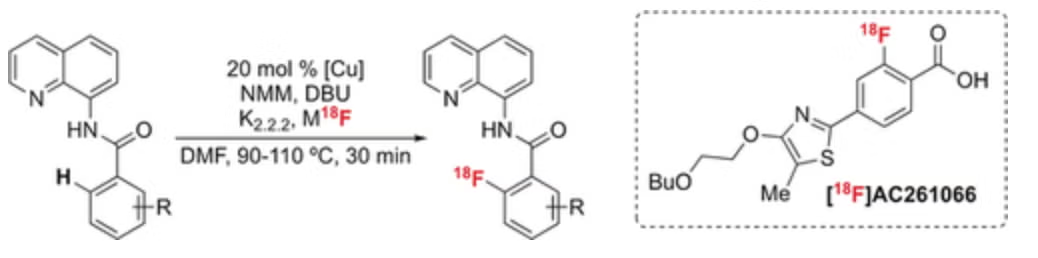
161. Lee, S. J.; Makaravage, K. J.; Brooks, A. F.; Scott, P. J. H.; Sanford, M. S. “Cu‐Mediated Aminoquinoline‐Directed Radiofluorination of Aromatic C–H Bonds with K18F,” Angew. Chem. Int. Ed. 2019, 58, 1–5
160. Yang, L.; Brooks, A. F.; Makaravage, K. J.; Zhang, H.; Sanford, M. S.; Scott, P. J. H.; Shao, X. “Radiosynthesis of [11C]LY2795050 for Preclinical and Clinical PET Imaging Using Cu(II)-Mediated Cyanation,”
ACS Med. Chem. Lett. 2018, 9, 1274–1279

159. Malapit, C. A.; Bour, J. R.; Brigham, C. E.; Sanford, M. S. “Base-free nickel-catalysed decarbonylative Suzuki–Miyaura coupling of acid fluorides,” Nature 2018, 563, 100–104
158. Mantell, M.; Kampf, J. W.; Sanford, M. S. “Improved Synthesis of [CpRRhCl2]2 Complexes,”
Organometallics 2018, 37, 3240–3242

157. Schimler, S. D.; Froese, R. D. J.; Bland, D. C.; Sanford, M. S. “Reactions of Arylsulfonate Electrophiles with NMe4F: Mechanistic Insight, Reactivity, and Scope,” J. Org. Chem. 2018 83, 11178–11190

156. Cabrera, P. J.; Lee, M.; Sanford, M. S. “Second-Generation Palladium Catalyst System for Transannular C–H Functionalization of Azabicycloalkanes,” J. Am. Chem. Soc. 2018, 140, 5599–5606

155. Makaravage, K. J.; Shao, X.; Brooks, A. F.; Yang, L.; Sanford, M. S.; Scott, P. J. H. “Copper(II)-Mediated [11C]Cyanation of Arylboronic Acids and Arylstannanes,” Org. Lett. 2018, 20, 1530–1533

154. Hendriks, K. H.; Robinson, S. G.; Braten, M. N.; Sevov, C. S.; Helms, B. A.; Sigman, M. S.; Minteer, S. D.; Sanford, M. S. “High-Performance Oligomeric Catholytes for Effective Macromolecular Separation in Nonaqueous Redox Flow Batteries,” ACS Cent. Sci. 2018, 4, 189–196

153. James, B. R.; Boissonnault, J. A.; Wong-Foy, A. G.; Matzger, A. J.; Sanford, M. S. “Structure activity relationships in metal–organic framework catalysts for the continuous flow synthesis of propylene carbonate from CO2 and propylene oxide,” RSC Adv. 2018, 8, 2132–2137

152. Mossine, A. V.; Brooks, A. F.; Bernard-Gauthier, V.; Bailey, J. J.; Ichiishi, N.; Schirrmacher, R.; Sanford, M. S.; Scott, P. J. H. “Automated Synthesis of PET Radiotracers by Copper-mediated 18F-Fluorination of Organoborons: Importance of the Order of Addition and Competing Protodeborylation,” J. Label. Compd. Radiopharm. 2017, 1–9
151. Shrestha, A.; Lee, M.; Dunn, A. L.; Sanford, M. S. “Palladium-Catalyzed C–H Bond Acetoxylation via Electrochemical Oxidation,” Org. Lett. 2017, 20, 204–207

150. Ichiishi, N.; Malapit, C. A.; Wozniak, L.; Sanford, M. S. “Palladium- and Nickel-Catalyzed Decarbonylative C–S Coupling to Convert Thioesters to Thioethers,” Org. Lett. 2017, 20, 44–47

149. Sevov, C. S.; Hendriks, K. H.; Sanford, M. S. “Low-Potential Pyridinium Anolyte for Aqueous Redox Flow Batteries,”
J. Phys. Chem. C 2017, 121, 24376–24380

148. Camasso, N. M.; Canty, A. J.; Ariafard, A.; Sanford, M. S. “Experimental and Computational Studies of High-Valent Nickel and Palladium Complexes,” Organometallics 2017, 36, 4382–4393

147. Hendriks, K. H.; Sevov, C. S.; Cook, M. E.; Sanford, M. S. “Multielectron Cycling of a Low-Potential Anolyte in Alkali Metal Electrolytes for Nonaqueous Redox Flow Batteries,” ACS Energy Lett. 2017, 2, 2430–2435

146. Ferguson, D. M. Bour, J. R.; Canty, A. J.; Kampf, J. W.; Sanford, M. S. “Stoichiometric and Catalytic Aryl–Perfluoroalkyl Coupling at Tri-tert-butylphosphine Palladium(II) Complexes,” J. Am. Chem. Soc. 2017, 139, 11662–11665

145. Malapit, C. A.; Ichiishi, N.; Sanford, M. S. “Pd-Catalyzed Decarbonylative Cross-Couplings of Aroyl Chlorides,”
Org. Lett. 2017, 19, 4142–4145

144. McCammant, M. S.; Thompson, S.; Brookes, A. F.; Krska, S. W.; Scott, P. J. H.; Sanford, M. S. “Cu-Mediated C–H 18F-Fluorination of Electron-Rich (Hetero)arenes,” Org. Lett. 2017, 19, 3939–3942

143. Cismesia, M. A.; Ryan, S. J.; Bland, D. C.; Sanford, M. S. “Multiple Approaches to the In Situ Generation of Anhydrous Tetraalkylammonium Fluoride Salts for SNAr Fluorination Reactions,” J. Org. Chem. 2017, 82, 5020–5026

142. Chong, E.; Kampf, J. W.; Ariafard, A.; Canty, A. J.; Sanford, M. S. “Oxidatively Induced C–H Activation at High Valent Nickel,” J. Am. Chem. Soc. 2017, 139, 6058–6061

141. Bour, J. R.; Kariofillis, S. K.; Sanford, M. S. “Synthesis, Reactivity, and Catalytic Applications of Isolable (NHC)Cu(CHF2) Complexes,” Organometallics 2017, 36, 1220–1223

140. Mossine, A. V.; Brooks, A. F.; Ichiishi, N.; Makaravage, K. J.; Sanford, M. S.; Scott, P. J. H. “Development of Customized [18F]Fluoride Elution Techniques for the Enhancement of Copper-Mediated Late-Stage Radiofluorination,”
Scientific Reports 2017, 7, 233
139. Canty, A. J.; Ariafard, A.; Camasso, N. M.; Higgs, A. T.; Yates, B. F.; Sanford, M. S. “Computational study of C(sp3)–O bond formation at a PdIV centre,” Dalton Trans. 2017, 46, 3742–3748

138. Sevov, C. S.; Hickey, D. P.; Cook, M. E.; Robinson, S. G.; Barnett, S.; Minteer, S. D.; Sigman, M. S.; Sanford, M. S. “Physical Organic Approach to Persistent, Cyclable, Low-Potential Electrolytes for Flow Battery Applications,”
J. Am. Chem. Soc. 2017, 139, 2924–2927

137. Schimler, S. D.; Cismesia, M. A.; Hanley, P. S.; Froese, R. D. J.; Jansma, M. J.; Bland, D. C.; Sanford, M. S. “Nucleophilic Deoxyfluorination of Phenols via Aryl Fluorosulfonate Intermediates,” J. Am. Chem. Soc. 2017, 139, 1452–1455

136. Lee, M.; Sanford, M. S. “Remote C(sp3)–H Oxygenation of Protonated Aliphatic Amines with Potassium Persulfate,” Org. Lett. 2017, 19, 572–575

135. Lotz, M. D.; Camasso, N. M.; Canty, A. J.; Sanford, M. S. “Role of Silver Salts in Palladium-Catalyzed Arene and Heteroarene C–H Functionalization Reactions,” Organometallics 2017, 36, 165–171

134. Meucci, E. A.; Camasso, N. M.; Sanford, M. S. “An Organometallic NiIV Complex That Participates in Competing Transmetalation and C(sp2)–O Bond-Forming Reductive Elimination,” Organometallics 2017, 36, 247–250

133. Bour, J. R.; Camasso, N. M.; Meucci, E. A.; Kampf, J. W.; Canty, A. J.; Sanford, M. S. “Carbon–Carbon Bond-Forming Reductive Elimination from Isolated Nickel(III) Complexes,” J. Am. Chem. Soc. 2016, 138, 16105–16111

132. Sevov, C. S.; Samaroo, S. K.; Sanford, M. S. “Cyclopropenium Salts as Cyclable, High-Potential Catholytes in Nonaqueous Media,” Adv. Energy Mater. 2016, 1602027

131. Sevov, C. S.; Fisher, S. L.; Thompson, L. T.; Sanford, M. S. “Mechanism-Based Development of a Low-Potential, Soluble, and Cyclable Multielectron Anolyte for Nonaqueous Redox Flow Batteries,” J. Am. Chem. Soc. 2016, 138, 15378–15384

130. Makaravage, K. J.; Brooks, A. F.; Mossine, A. V.; Sanford, M. S.; Scott, P. J. H. “Copper-Mediated Radiofluorination of Arylstannanes with [18F]KF,” Org. Lett. 2016, 18, 5440–5443

129. Schimler, S. D.; Sanford, M. S. “Copper-Mediated Functionalization of Aryl Trifluoroborates,”
Synlett. 2016, 27, 2279–2284

128. Rezayee, N. M.; Samblanet, D. C.; Sanford, M. S. “Iron-Catalyzed Hydrogenation of Amides to Alcohols and Amines,” ACS Catal. 2016, 6, 6377–6383

127. Mbofana, C. T.; Chong, E.; Lawniczak, J.; Sanford, M. S. “Iron-Catalyzed Oxyfunctionalization of Aliphatic Amines at Remote Benzylic C–H Sites,” Org. Lett. 2016, 18, 4258–4261

126. Pendleton, I. M.; Pérez-Temprano, M. H.; Sanford, M. S.; Zimmerman, P. M. “Experimental and Computational Assessment of Reactivity and Mechanism in C(sp3)–N Bond-Forming Reductive Elimination from PdIV,”
J. Am. Chem. Soc. 2016, 138, 6049–6060

125. Genna, D. T.; Pfund, L. Y.; Samblanet, D. C.; Wong-Foy, A. G.; Matzger, A. J.; Sanford, M. S. “Rhodium Hydrogenation Catalysts Supported in Metal Organic Frameworks: Influence of the Framework on Catalytic Activity and Selectivity,”
ACS Catal. 2016, 6, 3569–3574

124. Brewster, T. P.; Rezayee, N. M.; Culakova, Z.; Sanford, M. S.; Goldberg, K. I. “Base-Free Iridium-Catalyzed Hydrogenation of Esters and Lactones,” ACS Catal. 2016, 6, 3113–3117

123. Cook, A. K.; Schimler, S. D.; Matzger, A. J.; Sanford, M. S. “Catalyst-Controlled Selectivity in the C–H Borylation of Methane and Ethane,” Science 2016, 351, 1421–1424
122. Sanford, M. S.; Scott, P. J. H. “Moving Metal-Mediated 18F‐Fluorination from Concept to Clinic,”
ACS Cent. Sci. 2016, 2, 128–130

121. Topczewski, J. T.; Cabrera, P. J.; Saper, N. I.; Sanford, M. S. “Palladium-Catalysed Transannular C–H Functionalization of Alicyclic Amines,” Nature 2016, 531, 220–224
120. Schimler, S. D.; Ryan, S. J.; Bland, D. C.; Anderson, J. E.; Sanford, M. S. “Anhydrous Tetramethylammonium Fluoride for Room-Temperature SNAr Fluorination,” J. Org. Chem. 2015, 80, 12137–12145

119. Mossine, A. V.; Brooks, A. F.; Makaravage, K. J.; Miller, J. M.; Ichiishi, N.; Sanford, M. S.; Scott, P. J. H. “Synthesis of [18F]Arenes via the Copper-Mediated [18F]Fluorination of Boronic Acids,” Org. Lett. 2015, 17, 5780–5783.

118. Sevov, C. S.; Brooner, R. E. M.; Chénard, E.; Assary, R. S.; Moore, J. S.; Rodríguez-López, J.; Sanford, M. S. “Evolutionary Design of Low Molecular Weight Organic Anolyte Materials for Applications in Nonaqueous Redox Flow Batteries,”
J. Am. Chem. Soc. 2015, 137, 14465–14472.

117. Cabrera, P. J.; Yang, X.; Suttil, J. A.; Brooner, R. E. M.; Thompson, L. T.; Sanford, M. S. “Evaluation of Tris-Bipyridine Chromium Complexes for Flow Battery Applications: Impact of Bipyridine Ligand Structure on Solubility and Electrochemistry,” Inorg. Chem. 2015, 54, 10214–10223.

116. Cook, A.; Sanford, M. S. “C–Hal Bond Formation by Arene C–H Activation,”
In Catalytic Transformations via C-H Activation, Vol. 2; Science of Synthesis, Yu, J.-Q., 2015, 183–219.

115. Lee, M.; Sanford, M. S. “Platinum-Catalyzed, Terminal-Selective C(sp3)–H Oxidation of Aliphatic Amines,”
J. Am. Chem. Soc. 2015, 137, 12796–12799.

114. Bour, J. R.; Camasso, N. M.; Sanford, M. S. “Oxidation of NiII to NiIV with Aryl Electrophiles Enables Ni-Mediated Aryl–CF3 Coupling,” J. Am. Chem. Soc. 2015, 137, 8034–8037.

113. Cabrera, P. J.; Yang, X.; Suttil, J. A.; Hawthorne, K. L. Brooner, R. E. M.; Sanford, M. S.; Thompson, L. T. “Complexes Containing Redox Noninnocent Ligands for Symmetric, Multielectron Transfer Nonaqueous Redox Flow Batteries, ”
J. Phys. Chem. C 2015, 119, 15882–15889.

112. Ryan, S. J.; Schimler, S. D.; Bland, D. C.; Sanford, M. S. “Acyl Azolium Fluorides for Room Temperature Nucleophilic Aromatic Fluorination of Chloro- and Nitroarenes,” Org. Lett. 2015, 17, 1866–1869.

111. Suttil, J. A.; Kucharyson, J. F.; Escalante-Garcia, I. L.; Cabrera, P. J.; James, B. R.; Savinell, R. F.; Sanford, M. S.; Thompson, L. T. “Metal Acetylacetonate Complexes for High Energy Density Non-Aqueous Redox Flow Batteries,”
J. Mater. Chem. A 2015, 3, 7929–7938.

110. Canty, A. J.; Ariafard, A.; Yates, B. F.; Sanford, M. S. “Computational Study of Intramolecular Arene Palladation at a Palladium(IV) Center,” Organometallics 2015, 34, 1085–1090.

109. Cook, A. K.; Sanford, M. S. “Mechanism of the Palladium-Catalyzed Arene C–H Acetoxylation: A Comparison of Catalysis and Ligand Effects,” J. Am. Chem. Soc. 2015, 137, 3109–3118.

108. Camasso, N. M.; Sanford, M. S. “Design, Synthesis, and Carbon-Heteroatom Coupling Reactions of Organometallic Nickel (IV) Complexes,” Science 2015, 347, 1218–1220.
107. Rezayee, N. M.; Huff, C. A.; Sanford, M. S. “Tandem Amine and Ruthenium-Catalyzed Hydrogenation of CO2 to Methanol,” J. Am. Chem. Soc. 2015, 137, 1028–1031.

106. Topczewski, J. J.; Sanford, M. S. “Carbon–Hydrogen (C–H) Bond Activation at PdIV: A Frontier in C–H Functionalization Catalysis,” Chem. Sci. 2014, 6, 70–76.

105. Ichiishi, N.; Canty, A. J.; Yates, B. F.; Sanford, M. S. “Mechanistic Investigations of Cu-Catalyzed Fluorination of Diaryliodonium Salts: Elaborating the CuI/CuIII Manifold in Copper Catalysis,” Organometallics 2014, 33, 5525–5534.

104. Brooks, A. F.; Topczewski, J. J.; Ichiishi, N.; Sanford, M. S.; Scott, P. J. H. “Late-Stage [18F]Fluorination: New Solutions to Old Problems,” Chem. Sci. 2014, 5, 4545–4553.

103. Camasso, N. M.; Pérez-Temprano, M. H.; Sanford, M. S. “C(sp3)–O Bond-Forming Reductive Elimination from PdIV with Diverse Oxygen Nucleophiles,” J. Am. Chem. Soc. 2014, 136, 12771–12775.

102. Allen, L. J.; Lee, S. H.; Cheng, Y.; Hanley, P. S.; Muhuhi, J. M.; Kane, E.; Powers, S. L.; Anderson, J. E.; Bell, B. M.; Roth, G. A.; Sanford, M. S.; Bland, D. C. “Developing Efficient Nucleophilic Fluorination Methods and Application to Substituted Picolinate Esters,” Org. Process Res. Dev. 2014, 18, 1045–1054.

101. Maleckis, A.; Sanford, M. S. “Synthesis of Fluoroalkyl Palladium and Nickel Complexes via Decarbonylation of Acylmetal Species” Organometallics 2014, 33, 3831–3839.

100. Ichiishi, N.; Brooks, A. F.; Topczewski, J. J.; Rodnick, M. E.; Sanford, M. S.; Scott, P. J. H. “Copper-Catalyzed [18F]Fluorination of (Mesityl)(aryl)iodonium Salts,” Org. Lett. 2014, 16, 3224–3227.

99. Lotz, M. D.; Remy, M. S.; Lao, D. B.; Ariafard, A.; Yates, B. F.; Canty, A. J.; Mayer, J. M.; Sanford, M. S. “Formation of Ethane from Mono-Methyl PalladiumII Complexes,” J. Am. Chem. Soc. 2014, 136, 8237–8242.

98. Allen, L. J.; Muhuhi, J. M.; Bland, D. C.; Merzel, R.; Sanford, M. S. “Mild Fluorination of Chloropyridines with In Situ Generated Anhydrous Tetrabutylammonium Fluoride,” J. Org. Chem. 2014, 79, 5827–5833.

97. Maleckis, A.; Sanford, M. S. “Catalytic Cycle for Palladium-Catalyzed Decarbonylative Trifluoromethylation using Trifluoroacetic Esters as the CF3 Source,” Organometallics 2014, 33, 2653–2660.

96. Allen, L. J.; Cabrera, P. J.; Lee, M.; Sanford, M. S. “N-Acyloxyphthalimides as Nitrogen Radical Precursors in the Visible Light Photocatalyzed Room Temperature C–H Amination of Arenes and Heteroarenes,”
J. Am. Chem. Soc. 2014, 136, 5607–5610.

95. Pérez-Temprano, M. H.; Racowski, J. M.; Kampf, J. W.; Sanford, M. S. “Competition Between sp 3-C–N vs sp 3-C–F Reductive Elimination from PdIV Complexes,” J. Am. Chem. Soc. 2014, 136, 4097–4100.

94. Wagner, A. M.; Sanford, M. S. “Transition-Metal-Free Acid-Mediated Synthesis of Aryl Sulfides from Thiols and Thioethers,” J. Org. Chem. 2014, 79, 2263–2267.

93. Ye, Y.; Schimler, S. D.; Hanley, P. S.; Sanford, M. S. ” Cu(OTf)2-Mediated Fluorination of Aryltrifluoroborates with Potassium Fluoride, ” J. Am. Chem. Soc. 2013, 135, 16292–16295.

92. Wagner, A. M. ; Hickman, A. J. ; Sanford, M. S. “Platinum-Catalyzed C–H Arylation of Simple Arenes,”
J. Am. Chem. Soc. 2013, 135, 15710–15713.

91. Cook, A. K.; Emmert, M. H.; Sanford, M. S. “Steric Control of Site Selectivity in the Pd-Catalyzed C–H Acetoxylation of Simple Arenes,” Org. Lett. 2013, 15, 5428–5431.

90. Lehman, M. C.; Gary, J. B.; Boyle, P. D.; Sanford, M. S.; Ison, E. A. “Effect of Solvent and Ancillary Ligands on the Catalytic H/D Exchange Reactivity of Cp*IrIII(L) Complexes,” ACS Catalysis. 2013, 3, 2304–2310.

89. Huff, C. A.; Sanford, M. S. “Catalytic CO2 Hydrogenation to Formate by a Ruthenium Pincer Complex,”
ACS Catalysis. 2013, 3, 2412–2416.

88. Ichiishi, N.; Canty, A. J.; Yates, B. F.; Sanford, M. S. “Cu-Catalyzed Fluorination of Diaryliodonium Salts With KF,”
Org. Lett. 2013, 15, 5134–5137.

87. Genna, D. T.; Wong-Foy, A. G.; Matzger, A. J.; Sanford, M. S. “Heterogenization of Homogeneous Catalysts in Metal–Organic Frameworks Via Cation Exchange,” J. Am. Chem. Soc. 2013, 135, 10586–10589.

86. Huff, C. A.; Kampf, J. W.; Sanford, M. S. “Reversible Carbon-Carbon Bond Formation Between Carbonyl Compounds and a Ruthenium Pincer Complex,” Chem. Commun. 2013, 49, 7147–7149.

85. Sanhueza, I. A.; Wagner, A. M.; Sanford, M. S.; Schoenebeck, F. “On the Role of Anionic Ligands in the Site-Selectivity of Oxidative C–H Functionalization Reactions of Arenes.” Chem. Sci. 2013, 4, 2767–2775.

84. Gary, J. B.; Cook, A. K.; Sanford, M. S. “Palladium Catalysts Containing Pyridinium-Substituted Pyridine Ligands for the C–H Oxygenation of Benzene with K2S2O8,” ACS Catalysis. 2013, 3, 700–703.

83. Seigerman, C. K.; Micyus, T. M.; Neufeldt, S. R.; Sanford, M. S. “Palladium-Catalyzed C–H Arylation Using Aryltrifluoroborates in Conjunction with a MnIII Oxidant under Mild Conditions,” Tetrahedron. 2013, 69, 5580–5587.

82. Maleckis, A.; Kampf, J. W.; Sanford, M. S. “A Detailed Study of Acetate-Assisted C–H Activation at Palladium (IV) Centers,” J. Am. Chem. Soc. 2013, 135, 6618–6625.

81. Neufeldt, S. R.; Seigerman, C. K.; Sanford, M. S. “Mild Palladium-Catalyzed C–H Alkylation Using Potassium Alkyltrifluoroborates in Combination with MnF3,” Org. Lett. 2013, 15, 2302–2305.

80. Ye, Y.; Sanford, M. S. “Mild Copper-Mediated Fluorination of Aryl Stannanes and Aryl Trifluoroborates,”
J. Am. Chem. Soc. 2013, 135, 4648–4651.

79. Canty, A. J.; Ariafard, A.; Sanford, M. S.; Yates, B. F. “Mechanism of Pd-Catalyzed Ar-Ar Bond Formation Involving Ligand-Directed C-H Arylation and Diaryliodonium Oxidants: Computational Studies of Orthopalladation at Binuclear PdII Centers, Oxidation To Form Binuclear Palladium (III) Species, and Ar···Ar Reductive Coupling, ” Organometallics 2013, 32, 544–555.

78. Neufeldt, S. R.; Sanford, M. S. “Asymmetric Chiral Ligand-Directed Alkene Dioxygenation,” Org. Lett. 2013, 15, 46≠49.

77. McMurtrey, K. B.; Sanford, M. S. “C–F Bond-Forming Reactions,”
In Cross-Coupling and Heck-Type Reactions from the Science of Synthesis Reference Library. Vol. 2, John P. Wolfe, Ed., Thieme, 2012.
76. Neufeldt, S. R.; Sanford, M. S. “Combining Transition Metal Catalysis with Radical Chemistry: Dramatic Acceleration of Palladium-Catalyzed C–H Arylation with Diaryliodonium Salts,” Adv. Synth. Catal. 2012, 354, 3517–3522.

75. Ye,Y.; Kuenzi, S. A.; Sanford, M. S. “Practical Method for the Cu-Mediated Trifluoromethylation of Arylboronic Acids with CF3 Radicals Derived from NaSO2CF3 and tert-Butyl Hydroperoxide (TBHP),” Org. Lett. 2012, 14, 4979–4981.

74. Stowers, K. J.; Kubota, A.; Sanford, M. S. “Nitrate as a Redox Co-Catalyst for the Aerobic Pd-Catalyzed Oxidation of Unactivated sp3-C–H Bonds,” Chem. Sci. 2012, 3, 3192–3195.

73. McMurtrey, K. B.; Racowski, J. M.; Sanford, M. S. “Pd-Catalyzed C-H Fluorination with Nucleophilic Fluoride,”
Org. Lett. 2012, 14, 4094–4097.

72. Powers, D. C.; Lee, E.; Ariafard, A.; Sanford, M. S.; Yates, B. F.; Canty, A. J.; Ritter, T. “Connecting Binuclear PdIII and Mononuclear PdIV Chemistry by Pd-Pd Bond Cleavage,” J. Am. Chem. Soc. 2012, 134, 12002–12009.

71. Ye, Y.; Sanford, M. S. “Investigations into Transition-Metal-Catalyzed Arene Trifluoromethylation Reactions,” Synlett. 2012, 23, 2005–2013.
70. Gary, J. B; Carter, T. J.; Sanford, M. S. “RhIII Pyridinium Substituted Bipyridine Complexes as Catalysts for Arene H/D Exchange,” Top. Catal. 2012, 55, 565–570.
69. Huff, C. A.; Kampf, J. W.; Sanford, M. S. “Role of a Noninnocent Pincer Ligand in the Activation of CO2 at (PNN)Ru(H)(CO),” Organometallics 2012, 31, 4643–4635.

68. Hickman, A. J.; Sanford, M. S. “High-Valent Organometallic Copper and Palladium in Catalysis,”
Nature 2012, 484, 177–185.
67. Ye, Y.; Sanford, M. S. “Merging Visible-Light Photocatalysis and Transition-Metal Catalysis in the Copper-Catalyzed Trifluoromethylation of Boronic Acids with CF3I,” J. Am. Chem. Soc. 2012, 134, 9034–9037.

66. Neufeldt, S. R.; Sanford, M. S. “Controlling Site Selectivity in Palladium-Catalyzed C–H Bond Functionalization”
Acc. Chem. Res. 2012, 45, 936–946.

65. Kubota, A.; Emmert, M. H.; Sanford, M. S. “Pyridine Ligands as Promoters in PdII/0-Catalyzed C–H Olefination Reactions” Org. Lett. 2012, 14, 1760–1763.

64. Hickman, A. J.; Cismesia, M. A.; Sanford, M. S. “Structure-Activity Relationship Study of Diimine PtII Catalysts for H/D Exchange” Organometallics 2012, 31, 1761–1766.

63. Racowski, J. M.; Gary, B. G.; Sanford, M. S. “Carbon(sp3)–Fluorine Bond-Forming Reductive Elimination from Palladium (IV)” Angew. Chem. Int. Ed 2012, 51, 3414–3417

62. Park, T.-H.; Hickman, A. J.; Koh, K.; Martin, S.; Wong-Foy, A. G.; Sanford, M. S.; Matzger, A. J. “Highly Dispersed Palladium (II) in a Defective MOF: Application to C–H Activation and Functionalization,” J. Am. Chem. Soc. 2011, 133, 20138–20141.

61. Maleckis, A; Sanford, M. S. “Facial Tridentate Ligands for Stabilizing Palladium (IV) Complexes,” Organometallics 2011, 30, 6617–6627.

60. Kalyani, D.; McMurtrey, K. B.; Neufeldt, S. R.; Sanford, M. S. “Room-Temperature C–H Arylation: Merger of Pd-Catalyzed C–H Functionalization and Visible-Light Photocatalysis,” J. Am. Chem. Soc. 2011, 133, 18566–18569.

59. Huff, C. A.; Sanford, M. S. “Cascade Catalysis for the Homogeneous Hydrogenation of CO2 to Methanol,”
J. Am. Chem. Soc. 2011, 133, 18122–18125.

58. Gary, J. B.; Sanford, M. S. “Participation of Carbonyl Oxygen in Carbon-Carboxylate Bond-Forming Reductive Elimination from Palladium,” Organometallics 2011, 30, 6143–6149.

57. Racowski, J. M.; Ball, N. D.; Sanford, M. S. “C–H Bond Activation at Palladium (IV) Centers,”
J. Am. Chem. Soc. 2011, 133, 18022–18025.

56. Ye, Y.; Lee, S.; Sanford, M. S. “Silver-Mediated Trifluoromethylation of Arenes Using TMSCF3,”
Org. Lett. 2011, 13, 5464–5467.

55. Emmert, M. H.; Cook, A. K.; Xie, Y. J.; Sanford, M. S. “Remarkably High Reactivity of Pd(OAc)2/Pyridine Catalysts: Nondirected C–H Oxygenation of Arenes,” Angew. Chem. Int. Ed. 2011, 50, 9409–9412.

54. Lanci, M. P.; Remy, M. S.; Lao, D. B.; Sanford, M. S.; Mayer, J. M. “Modulating Sterics in Trimethylplatinum (IV) Diimine Complexes to Achieve C–C Bond-Forming Reductive Elimination,” Organometallics 2011, 30, 3704–3707.

53. Kubota, A; Sanford, M. S. “Palladium-Catalyzed Ligand-Directed Oxidative Functionalization of Cyclopropanes,” Synthesis 2011, 16, 2579–2589.
52. Loy, R. N.; Sanford, M. S. “Palladium-Catalyzed C–H Perfluoroalkylation of Arenes,” Org. Lett. 2011, 13, 2548–2551.

51. Ball, N. D.; Gary, J. B.; Ye, Y.; Sanford, M. S. “Mechanistic and Computational Studies of Oxidatively-Induced Aryl–CF3 Bond-Formation at Pd: Rational Design of Room Temperature Aryl Trifluoromethylation,”
J. Am. Chem. Soc. 2011, 133, 7577–7584.

50. Stowers, K. J.; Fortner, K. C.; Sanford, M. S. “Aerobic Pd-Catalyzed sp3 C–H Olefination: A Route to Both N-Heterocyclic Scaffolds and Alkenes,” J. Am. Chem. Soc. 2011, 133, 6541–6544.

49. Racowski, J.; Sanford, M. S. “Carbon-Heteroatom Bond Forming Reductive Elimination from Palladium (IV) Complexes,” In Topics in Organometallic Chemistry, Vol. 53, Allan Canty, Ed., Springer, 2011, 61-84.
48. Satterfield, A. D.; Kubota, A.; Sanford, M. S. “Palladium-Catalyzed 1,1-Aryloxygenation of Terminal Olefins,”
Org. Lett. 2011, 13, 1076–1079.

47. Lyons, T. W.; Hull, K. L.; Sanford M. S. “Controlling Site Selectivity in Palladium-Catalyzed C–H Oxidative Cross-Coupling,” J. Am. Chem. Soc. 2011, 133, 4455–4464.

46. Hickman, A. J.; Sanford, M. S. “Catalyst Control of Site Selectivity in the PdII/IV-Catalyzed Direct Arylation of Naphthalene,” ACS Catal. 2011, 1, 170–174.

45. Wagner, A. M.; Sanford, M. S. “Palladium-Catalyzed C–H Arylation of 2,5-Disubstituted Pyrroles,”
Org. Lett. 2011, 13, 288–291.

44. Ye, Y.; Ball, N. D.; Kampf, J. W.; Sanford, M. S. “Oxidation of Catalytically Relevant Palladium Dimer with “CF3+“: Formation and Reactivity of a Monomeric Palladium (IV) Aquo Product,” J. Am. Chem. Soc. 2010, 132, 14682–14687.

43. Higgs, A. T.; Zinn, P. J.; Sanford, M. S. “Synthesis and Reactivity of (Phpy)2Ni (Phpy = 2-Phenylpyridine),” Organometallics 2010, 29, 5446–5449.

42. Emmert, M. H.; Villalobos, J. M.; Gary, J. B.; Sanford, M. S. “Pt and Pd Complexes Containing Cationic Ligands as Catalysts for Arene H/D Exchange and Oxidation,” Angew. Chem. Int. Ed. 2010, 49, 5884–5886.

41. Kalyani, D.; Satterfield, A. D.; Sanford, M. S. “Palladium-Catalyzed Oxidative Arylhalogenation of Alkenes: Synthetic Scope and Mechanistic Insights,” J. Am. Chem. Soc. 2010, 132, 8419–8427.

40. Ball, N. D.; Kampf, J. W.; Sanford, M. S. “Aryl-CF3 Bond-Forming Reductive Elimination from Palladium (IV),”
J. Am. Chem. Soc. 2010, 132, 2878–2879.

39. Remy, M. S.; Cundari, T.; Sanford, M. S. “Computational and Experimental Studies of Methyl Group Exchange Between Group 10 Metal Centers,” Organometallics 2010, 29, 1522–1525.

38. Neufeldt, S. R.; Sanford, M. S. “O-Acetyl Oximes as Transformable Directing Groups for Pd-Catalyzed C–H Functionalization,” Org. Lett. 2010, 12, 532–535.

37. Villalobos, J. M.; Hickman, A. J.; Sanford, M. S. “Platinum (II) Complexes Containing Quaternized Nitrogen Ligands: Synthesis, Stability, and Evaluation as Catalysts for Methane and Benzene H/D Exchange,”
Organometallics 2010, 29, 257–262.

36. Ball, N. D.; Kampf, J. W.; Sanford, M. S. “Synthesis and Reactivity of Palladium (II) Fluoride Complexes Containing Nitrogen Donor Ligands,” Dalton Trans. 2010, 39, 632–640.

35. Lyons, T. W.; Sanford, M. S. “Palladium-Catalyzed Ligand-Directed C–H Functionalization Reactions,”
Chem. Rev. 2010, 110, 1147–1169.
34. Higgs, A. T.; Zinn, P. J.; Simmons, S. J.; Sanford, M. S. “Oxidatively Induced Carbon-Halogen Bond-Forming Reactions at Nickel,” Organometallics 2009, 28, 6142–6144.

33. Lanci, M. P.; Remy, M. S.; Kaminsky, W.; Mayer, J. M.; Sanford, M. S. “Oxidatively Induced Reductive Elimination from (tBu2bpy)Pd(Me)2: Palladium (IV) Intermediates in a One Electron Oxidation Reaction,” J. Am. Chem. Soc. 2009, 131, 15618–15620.

32. Stowers, K. J.; Sanford, M. S. “Mechanistic Comparison Between Palladium-Catalyzed C–H Acetoxylation and C–H Chlorination,” Org. Lett. 2009, 11, 4584–4587.

31. Arnold, P. L.; Sanford, M. S.; Pearson, S. M. “Chelating N-Heterocyclic Carbene-Alkoxide as a Supporting Ligand for PdII/IV C–H Bond Functionalization Catalysis,” J. Am. Chem. Soc. 2009, 131, 13912–13913.

30. Hickman, A. J.; Villalobos, J. M.; Sanford, M. S. “A Quantitative Method to Assay Platinum Catalysts for Benzene H/D Exchange,” Organometallics 2009, 28, 5316–5322.

29. Deprez, N. R.; Sanford, M. S. “Synthetic and Mechanistic Studies of Pd-Catalyzed C–H Arylation with Diaryliodonium Salts: Evidence for a Bimetallic High Oxidation State Pd Intermediate,” J. Am. Chem. Soc. 2009, 131, 11234–11241.

28. Racowski, J. M.; Dick, A. R.; Sanford, M. S. “Detailed Study of C–O and C–C Bond-Forming Reductive Elimination from Stable C2N2O2 Palladium (IV) Complexes,” J. Am. Chem. Soc. 2009, 131, 10974–10983.

27. Hull, K. L.; Sanford, M. S. “Mechanism of Benzoquinone-Promoted Palladium-Catalyzed Oxidative Cross Coupling Reactions,” J. Am. Chem. Soc. 2009, 131, 9651–9653.

26. Ball, N. D.; Sanford, M. S. “Synthesis and Reactivity of a Mono-σ-Aryl Palladium (IV) Fluoride Complex,”
J. Am. Chem. Soc. 2009, 131, 3796–3797.

25. Lyons, T. W.; Sanford, M. S. “PdII/IV-Catalyzed Cyclopropanation Reactions: Scope and Mechanism,” Tetrahedron 2009, 65, 3211–3221.

24. Desai, L. V.; Stowers, K. J.; Sanford, M. S. “Insights into Directing Group Ability in Palladium-Catalyzed C–H Bond Functionalization,” J. Am. Chem. Soc. 2008, 130, 13285–13293.

23. Whitfield, S. R.; Sanford, M. S. “Reactions of Platinum (II) Complexes with Chloride-Based Oxidants: Routes to PtIV and PtIII Products,” Organometallics 2008, 27, 1683–1689.

22. Kalyani, D.; Sanford, M. S. “Oxidatively Intercepting Heck Intermediates: Pd-Catalyzed 1,2- and 1,1-Arylhalogenation of Alkenes,” J. Am. Chem. Soc. 2008, 130, 2150–2151.

21. Whitfield, S. L.; Sanford, M. S. “Reactivity of PdII Complexes with Electrophilic Chlorinating Reagents: Isolation of PdIV Intermediates and Observation of C–Cl Bond-Forming Reductive Elimination,”
J. Am. Chem. Soc. 2007, 129, 15142–15143.

20. Hull, K. L.; Sanford, M. S. “Catalytic and Highly Regioselective Cross-Coupling of Aromatic C–H Substrates,”
J. Am. Chem. Soc. 2007, 129, 11904–11905.

19. Deprez, N. R.; Sanford, M. S. “Reactions of Hypervalent Iodine Reagents with Palladium: Mechanisms and Applications in Organic Synthesis,” Inorg. Chem. 2007, 46, 1924–1935.

18. Desai, L. V.; Sanford, M. S. “Construction of Tetrahydrofurans via PdII/IV-Catalyzed Aminooxygenation of Alkenes,” Angew. Chem., Int. Ed. 2007, 46, 5737–5740.

17. Welbes, L. L.; Lyons, T. W.; Cychosz, K. A.; Sanford, M. S. “Synthesis of Cyclopropanes via PdII/IV-Catalyzed Reactions of Enynes,” J. Am. Chem. Soc. 2007, 129, 5836–5837.

16. Dick, A. R.; Remy, M. S.; Kampf, J. W.; Sanford, M. S. “Carbon-Nitrogen Bond-Forming Reactions Between Palladacycles and Hypervalent Iodine Reagents,” Organometallics 2007, 26, 1365–1370.

15. Kalyani, D.; Sanford, M. S. “Chelate-Directed Oxidative Functionalization of Carbon-Hydrogen Bonds: Synthetic Applications and Mechanistic Insights,”
In Topics in Organometallic Chemistry, Vol. 24, Naoto Chatani, Ed., Springer, 2007, 85–116.

14. Hull, K. L.; Lanni, E. L.; Sanford, M. S. “Highly Regioselective Catalytic Oxidative Coupling Reactions: Synthetic Scope and Mechanistic Insights,” J. Am. Chem. Soc. 2006, 128, 14047-14049.

13. Kalyani, D.; Dick, A. R.; Anani, W. Q.; Sanford, M. S. “Scope and Selectivity in Palladium-Catalyzed Directed C–H Bond Halogenation Reactions,”Tetrahedron 2006, 62, 11483–11498.

12. Kalyani, D.; Dick, A. R.; Anani, W. Q.; Sanford, M. S. “A Simple Catalytic Method for the Regioselective Halogenation of Arenes,” Org. Lett. 2006, 8, 2523–2526.

11. Hull, K. L.; Anani, W. Q.; Sanford, M. S. “Palladium-Catalyzed Fluorination of Carbon-Hydrogen Bonds,”
J. Am. Chem. Soc. 2006, 128, 7134–7135.

10. Deprez, N. R.; Kalyani, D.; Krause, A.; Sanford, M. S. “Room Temperature Palladium-Catalyzed 2-Arylation of Indoles,”
J. Am. Chem. Soc. 2006, 128, 4972–4973.

9. Desai, L. V.; Malik, H. A.; Sanford, M. S. “Oxone as an Inexpensive Safe and Environmentally Benign Oxidant for C–H Bond Oxygenation,” Org. Lett. 2006, 8, 1141–1144.

8. Kalberer, E. W.; Whitfield, S. R.; Sanford, M. S. “Application of Recyclable, Polymer-Immobilized IodineIII Oxidants in Catalytic C–H Bond Functionalization,” J. Mol. Catal. A. 2006, 251, 108–113.

7. Dick, A. R.; Sanford, M. S. “Transition Metal Catalyzed Catalyzed Oxidative Functionalization of Carbon-Hydrogen Bonds,” Tetrahedron 2006, 62, 2439–2463.

6. Dick, A. R.; Kampf, J. W.; Sanford, M. S. “Unusually Stable Palladium (IV) Complexes: Detailed Mechanistic Investigation of C–O Bond-Forming Reductive Elimination,” J. Am. Chem. Soc. 2005, 127, 12790–12791.

5. Kalyani, D.; Sanford, M. S. “Regioselectivity in Palladium-Catalyzed C–H Activation/Oxygenation Reactions,”
Org. Lett. 2005, 7, 4149–4152.

4. Kalyani, D.; Deprez, N. R.; Desai, L. V.; Sanford, M. S. “Oxidative C–H Activation/C–C Bond Forming Reactions: Synthetic Scope and Mechanistic Insights,” J. Am. Chem. Soc. 2005, 127, 7330–7331.

3. Dick, A. R.; Kampf, J. W.; Sanford, M. S. “Platinum Model Studies for Palladium-Catalyzed Oxidative Functionalization of C–H Bonds,” Organometallics 2005, 24, 482–485.

2. Desai, L. V.; Hull , K. L.; Sanford, M. S. “Palladium-Catalyzed Oxygenation of Unactivated sp3 C–H Bonds,”
J. Am. Chem. Soc. 2004, 126, 9542–9543.

1. Dick, A. R.; Hull, K. L.; Sanford, M. S. “A Highly Selective Catalytic Method for the Oxidative Functionalization of C–H Bonds,” J. Am. Chem. Soc. 2004, 126, 2300–2301.
