
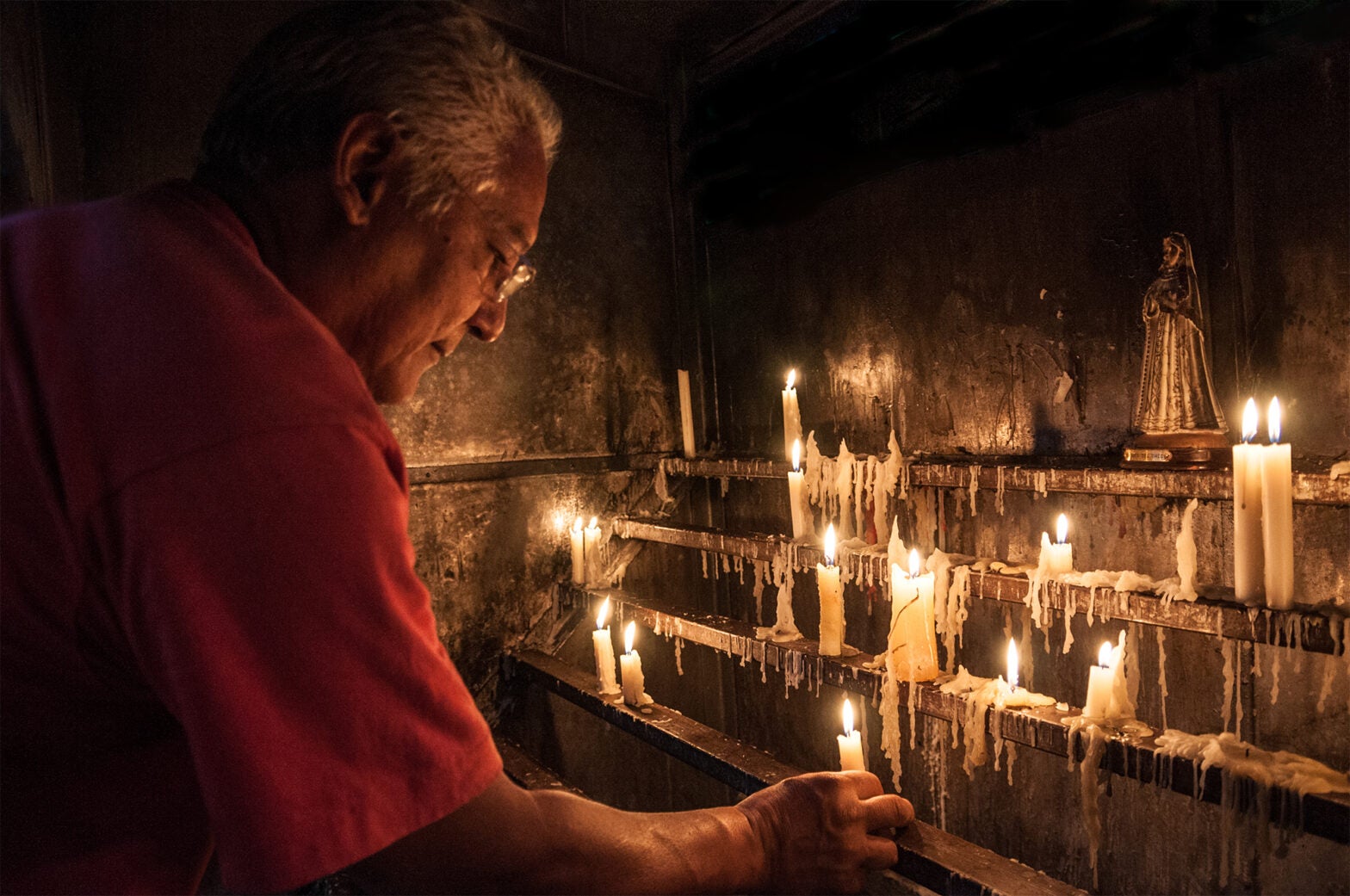
In this syllabus, we embark upon a pilgrimage across contemporary and classic CSSH essays that examine the roles that aesthetics, circulation, markets, colonial encounters, infrastructures, violence, and place-making play in shaping the material life of religion. As we arrive at each section, we pause to interrogate the intersection between the mundane and the divine. How do photographs, sartorial styles, and devotional objects make sacred presence visible, persuasive, or even suspect? In what ways do objects and bodies circulate through religious economies to create new forms of attachment and authority? How are projects of disenchantment and desecration bound up with empire, reform, and sovereignty? And finally, by what means do sacred places become animated through affect, memory, and everyday forms of material engagement? After this passage among holy relics and hallowed shrines, readers will encounter religion not as belief alone, but as a tangible world of things made, moved, seen, touched, circulated, destroyed, and remade.

Seeing is Believing: Images and Aesthetics
Canals, Roger, and Celeste Muñoz. 2022. The Iconic Paths of La Verge de Montserrat in Catalonia and Beyond: A Comparative Approach from History and Anthropology. 64 (4): 1055-1087.
Heo, Angie. 2012. The Virgin Made Visible: Intercessory Images of Church Territory in Egypt. 54 (2): 361-391.
Jones, Carla. 2024. Style on Trial: The Gendered Aesthetics of Appearance, Corruption, and Piety in Indonesia. 66 (4): 814-844.
Maxwell, David. 2011. Photography and the Religious Encounter: Ambiguity and Aesthetics in Missionary Representations of the Luba of South East Belgian Congo. 53 (1): 38-74.
Devotion in Motion: Circulation & Religious Economies
Alatas, Ismail Fajrie. 2016. The Poetics of Pilgrimage: Assembling Contemporary Indonesian Pilgrimage to Ḥaḍramawt, Yemen. 58 (3): 607-635.
Burns, Robert I. 1982. Relic Vendors, Barefoot Friars, and Spanish Muslims: Reflections on Medieval Economic and Religious History. 24 (1): 153-163.
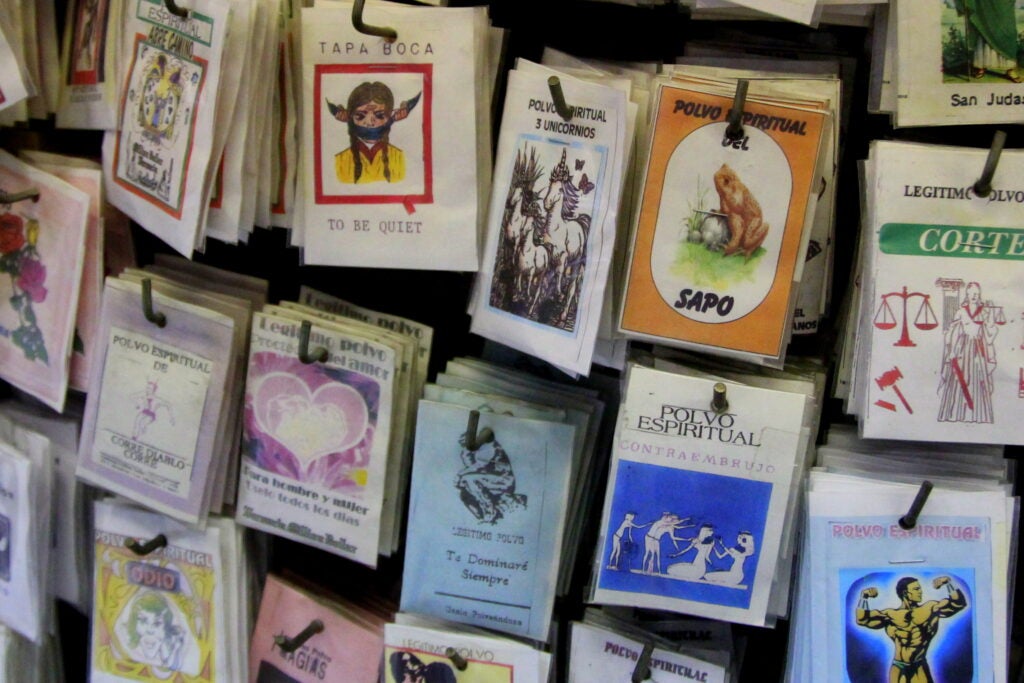
Hershenzon, Daniel. 2026. The Social Life of Wax in the Premodern Maghrib. 68 (2): 325-345.
Stein, Sarah Abrevaya. 2022. Botánica Sephardica. 64 (3): 611-645.
Unholy Ghosts: Disenchantment, Desecration, Destruction
Bovensiepen, Judith, and Frederico Delgado Rosa. Transformations of the Sacred in East Timor. 58 (3): 664-693.
Jones, Graham M. 2010. Modern Magic and the War on Miracles in French Colonial Culture. 52 (1): 66-99.
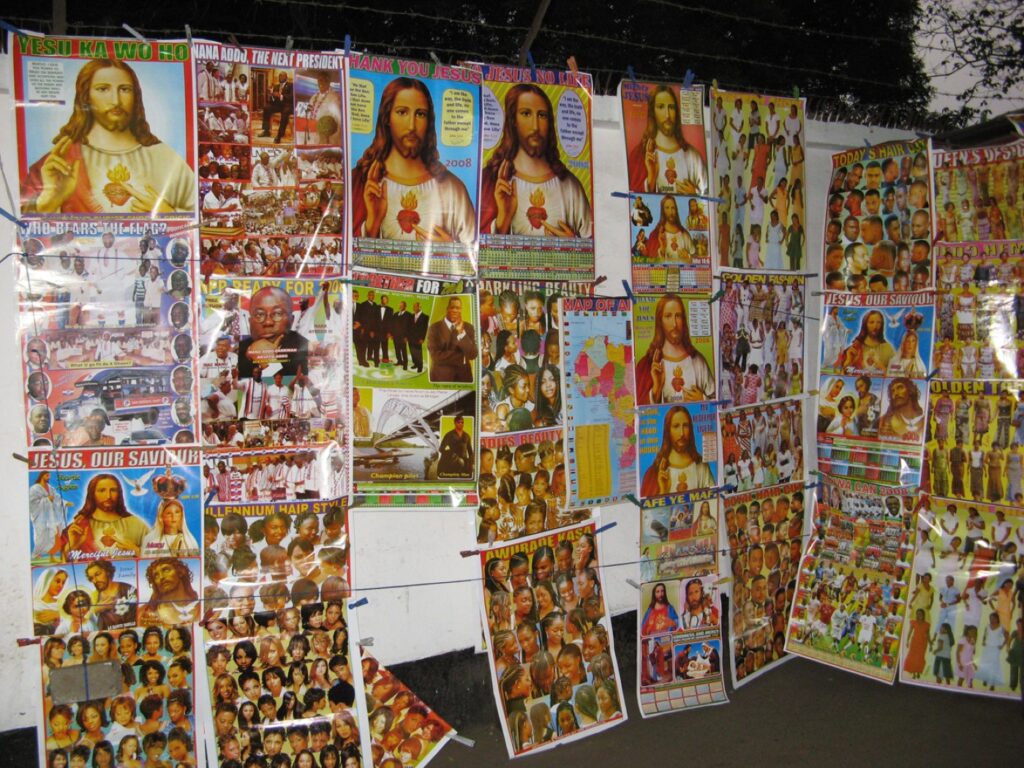
Meyer, Birgit. 2010. “There Is a Spirit in that Image”: Mass-Produced Jesus Pictures and Protestant-Pentecostal Animation in Ghana. 52 (1): 100-130.
Moin, A. Azfar. 2015. Sovereign Violence: Temple Destruction in India and Shrine Desecration in Iran and Central Asia. 57 (2): 467-496.
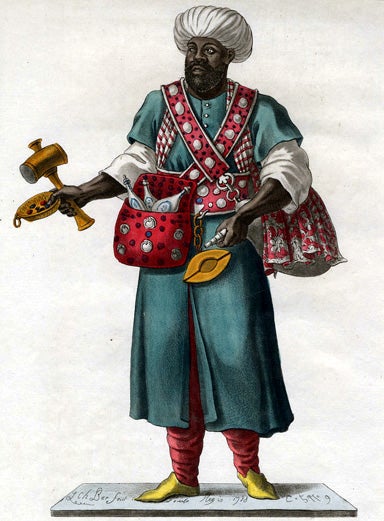
Promised Lands: Space, Place, and Sacred Infrastructures
Berquist, Stephen, Valentina Napolitano, and Elizabeth Rigotti. 2024. Holy Infrastructures: Catholicism, Detroit Borderlands, and the Elements. 66 (4): 786-813.
Low, Michael Christopher. 2015. Ottoman Infrastructures of the Saudi Hydro-State: The Technopolitics of Pilgrimage and Potable Water in the Hijaz. 57 (4): 942-974.
Wanner, Catherine. 2020. An Affective Atmosphere of Religiosity: Animated Places, Public Spaces, and the Politics of Attachment in Ukraine and Beyond. 62 (1): 68-105.
Weller, Robert P., and Keping Wu. 2023. Religion in the Folded City: Origami and the Boundaries of the Chronotope. 65 (4): 779-800.
Moniek van Rheenen is an Editorial Intern at CSSH. She is a PhD candidate in linguistic anthropology at the University of Michigan, and her research focuses on child language socialization, parenting, moral personhood, and conservative religion in Indonesia. Her work has been supported by the National Science Foundation, the US Fulbright Program, the American Institute for Indonesian Studies, and the Global Islamic Studies Center at the University of Michigan.
