

فرشید امامی
ترجمه: گلریز فرشی؛ صدای فرشید امامی
چکیده:
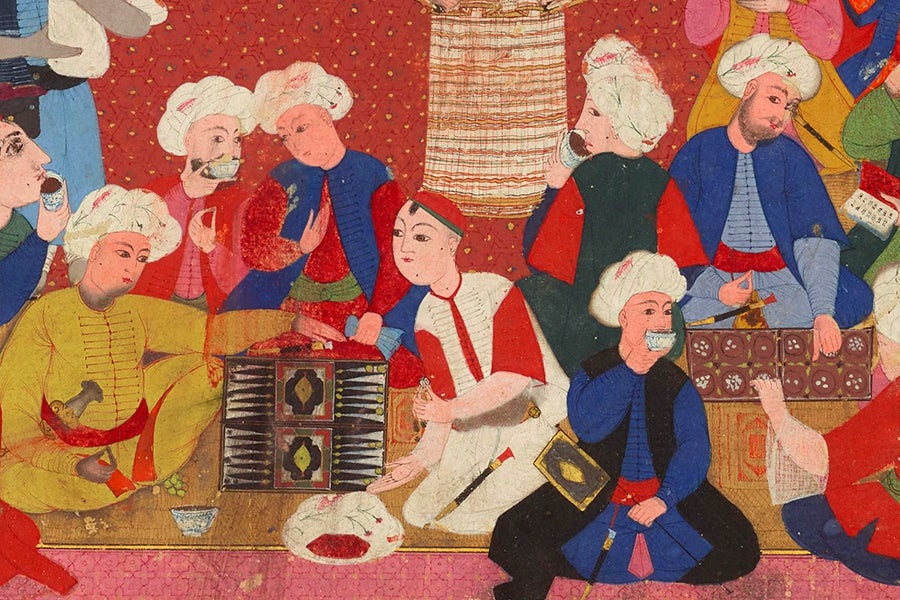
قهوه گیاهی بومی در مناطق مرتفع اتیوپی است و برای اولین بار در یمن در قرون هشتم و یا نهم هجری قمری (قرون چهاردهم یا پانزدهم میلادی) به عنوان یک نوشیدنی گرم مصرف شد. در طول قرن دهم هجری (شانزدهم میلادی)، این نوشیدنی جدید خارج از مرزهای شبه جزیره عربستان گسترش یافت و قهوهخانهها در مناطق شرقی مدیترانه که تحت حکومت عثمانی بودند، افزایش یافتند. قهوه در قرن یازده هجری (هفدهم میلادی) وارد ایران صفوی شد. با تمرکز بر شهرهای حلب (سوریه)، استانبول (ترکیه) و اصفهان (ایران) این گفتار به بررسی معماری قهوهخانهها در سرزمینهای عثمانی و صفوی میپردازد. به عنوان مکانهای نوظهور اجتماعی، قهوهخانهها گونهی جدیدی از معاشرتهای شهری را شکل دادند و نقش به سزایی در گسترش حوزه عمومی ایفا کردند.
ترجمه: نگار حبیبی
منابع:
Alafandi, Rami. “The Waqf of Ibshir Mustafa Pasha.” L.I.S.A. – The Science Portal of The Gerda Henkel Foundation. 
David, Jean-Claude. Le waqf d’Ipšīr Pāšā à Alep (1063/1653): Étude d’urbanisme historique. Avec la collaboration de Bruno Chauffert-Yvart. Damascus: Presses de l’Ifpo, 1982.
Emami, Farshid. “Coffeehouses, Urban Spaces, and the Formation of a Public Sphere in Safavid Isfahan.” Muqarnas 33 (2016): 177–220.
Hattox, Ralph S. Coffee and Coffeehouses: The Origins of a Social Beverage in the Medieval Near East. Seattle: University of Washington Press, 1988.
Özkoçak, Selma Akyazıcı. “Coffee-houses: Rethinking the Public and Private in Early Modern Istanbul.” Journal of Urban History 33, no. 6 (2007): 965–86.
Watenpaugh, Heghnar Zeitlian. The Image of an Ottoman City: Imperial Architecture and Urban Experience in Aleppo in the 16th and 17th Centuries. Leiden: Brill, 2004.
پانویس:
Farshid Emami, “قهوه و قهوه خانه در سرزمینهای عثمانی و صفوی، ۱۵۰۰ تا ۱۸۰۰ میلادی,” Khamseen: Islamic Art History Online, published 18 March 2026.
Farshid Emami (Ph.D., Harvard University, 2017) is Associate Professor in the Department of Art History at Rice University. He specializes in the history of Islamic architecture, urbanism, and the arts, with a focus on the early modern period and Safavid Iran. He is the author ofIsfahan: Architecture and Urban Experience in Early Modern Iran (Penn State University Press, 2024). His scholarly interests include transregional histories of early modernity, social experiences of architecture and urban spaces, and the intersections of architecture and literature. In addition to his publications on Safavid art and architecture, he has written on topics such as lithography in nineteenth-century Iran and modernist architecture and urbanism in the Middle East.