
In this collection of CSSH articles, we follow the movements of diasporic communities across time and space and the ways they challenge neatly-bound, a priori ideological categories of identity, place, and belonging. Across each case, the authors call into question our understanding of diaspora to begin with: not just as a form of displacement, but also as a political identity, a social network, a mode of consciousness, and a practice of world-making. They require us to take a critical look at the concepts of empire and the nation-state through diasporic eyes, re-framing the ways we think about imperial authority, territorial sovereignty, and political community. How are diasporic identities transformed over time? When do diasporic networks reinforce nationalism, and when do they generate transregional forms of solidarity and belonging that exceed the nation-state? Ultimately, who has the power to determine where–and to whom–a person belongs? Together, the essays in this syllabus ask the readers to both traverse and transcend boundary lines as they follow migrants’ journeys towards home, wherever that may be.
Knowledge, Mobility, and Imperial Rule
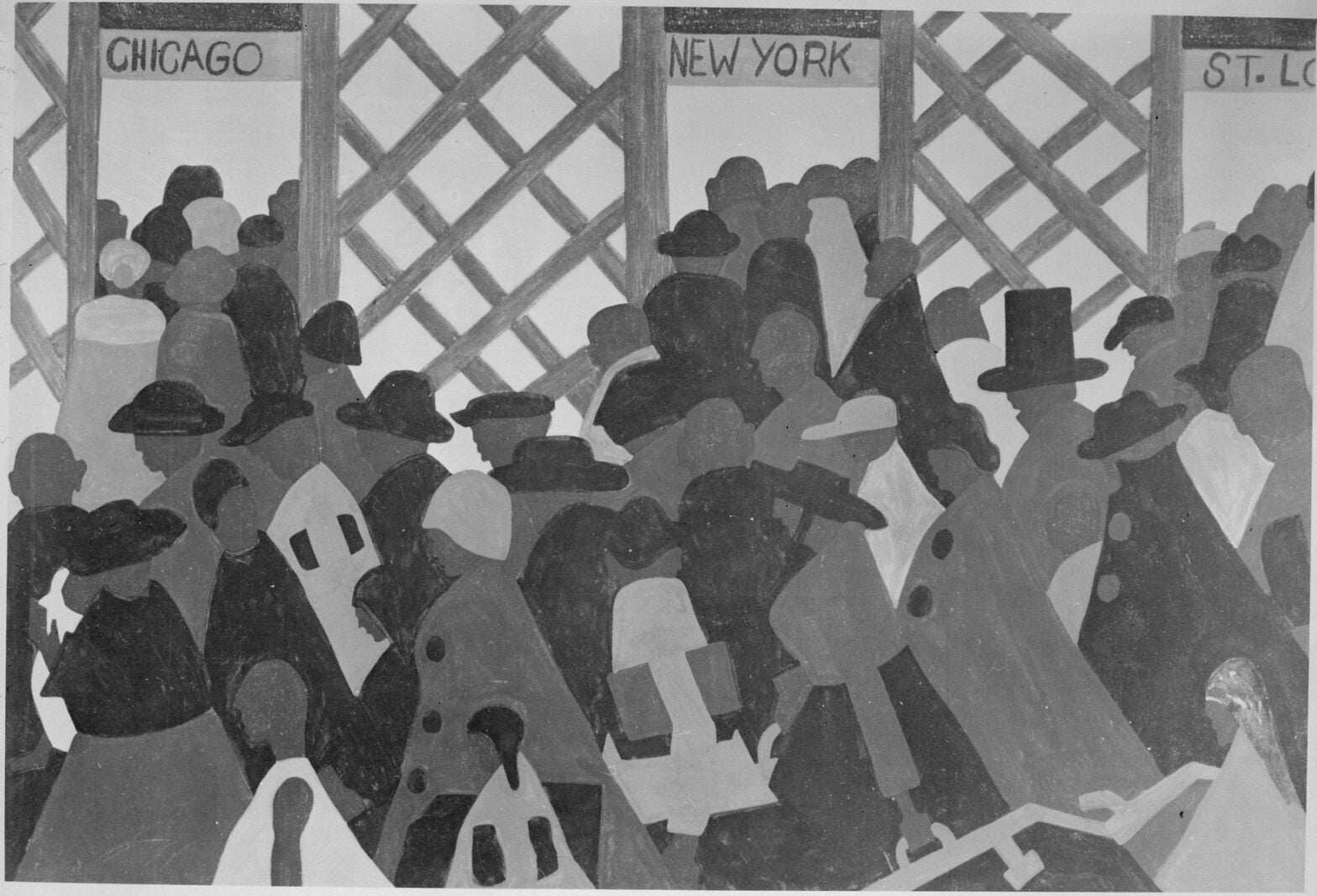
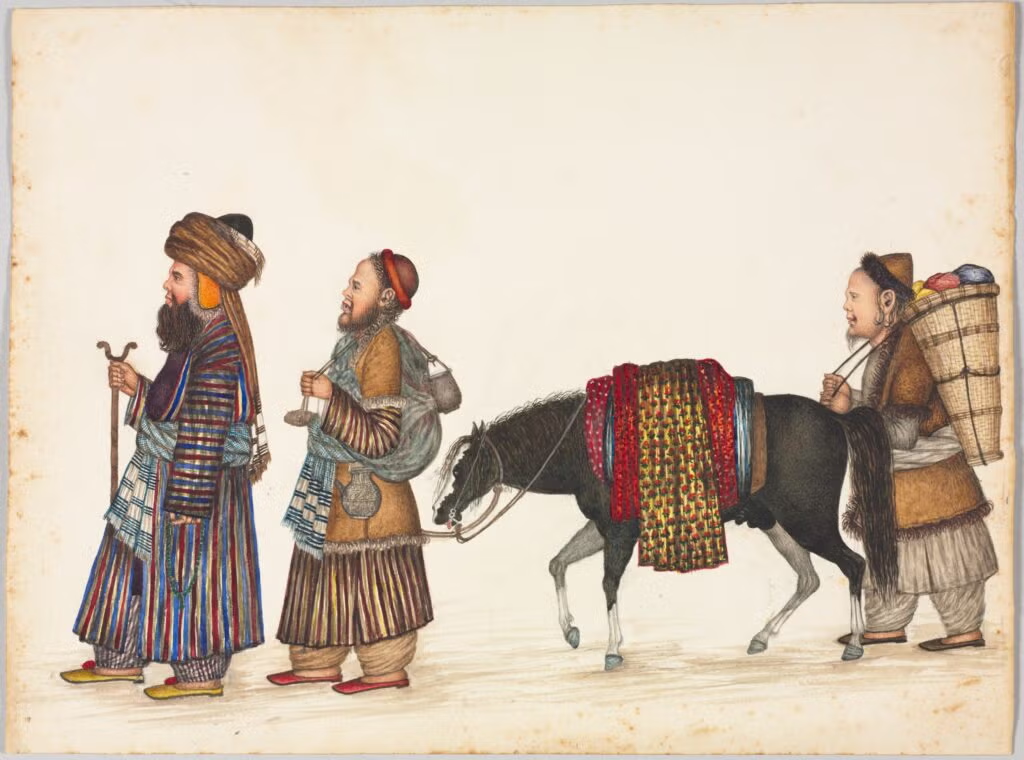
These essays investigate how colonial states classify, monitor, and govern mobile populations, which simultaneously fosters the creation of diasporic identities and political communities. Together, they demonstrate how diasporic networks illuminate the ways in which imperial authority and competing ideas of nationhood operate across borders.
Arsam, Andrew Kerim. 2011. Failing to Stem the Tide: Lebanese Migration to French West Africa and the Competing Prerogatives of the Imperial State. 53 (3): 450-78.
Ho, Enseng. 2004. Empire through Diasporic Eyes: A View from the Other Boat. 46 (2): 210-46.
Kim, Jaeeun. 2013. The Colonial State, Migration, and Diasporic Nationhood in Korea. 56 (1): 34-66.
McGee, Nicholas. 2026. Two Journeys into Diaspora: Qing and British Imperial Investigations in the Dutch East Indies and Australia.
Refugees, Repatriation, and Regimes
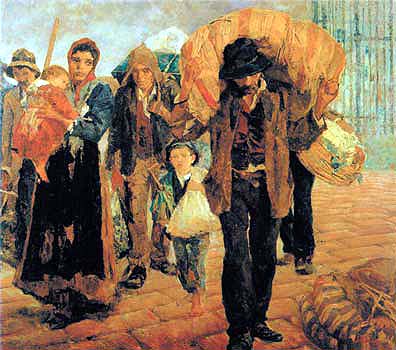
This selection of essays examines how states manage migration through labor recruitment, citizenship policies, and international diplomacy. Across these cases, migrants are not merely subjects of state policy; they exercise agency within these systems to negotiate categories of identity and meanings of “home” across space and time.
Ballinger, Pamela. 2007. Borders of the Nation, Borders of Citizenship: Italian Repatriation and the Redefinition of National Identity after World War II. 49 (3): 713-741.
Chatterji, Joya. 2013. Dispositions and Destinations: Refugee Agency and “Mobility Capital” in the Bengal Diaspora, 1947-2007. 55 (2): 273-304.
Newbury, David. 2005. Returning Refugees: Four Historical Patterns of “Coming Home” to Rwanda. 47 (2): 252-85.
Snodgrass, Michael David. 2022. Dreams of Development in Mexico and Spain: A Comparative History of Guestworkers and Migration Diplomacy. 64 (3): 756-87.
Integration, Assimilation, and Historical Memory
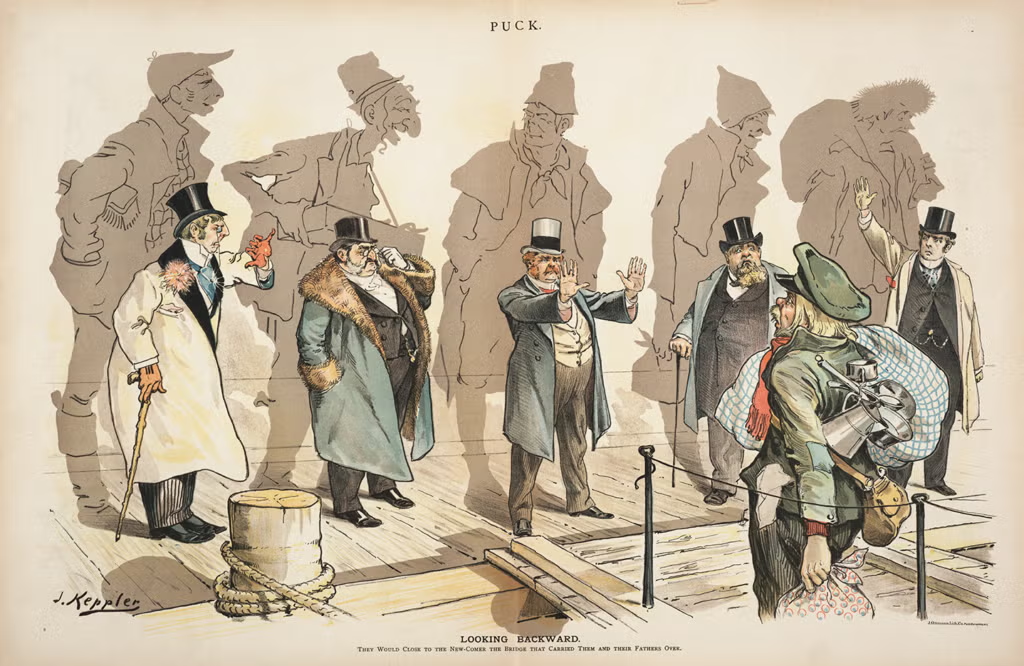
Together, these essays argue that diasporic incorporation is neither a straightforward nor a unidirectional process; instead, communities strategically reinterpret racial categories, national narratives, histories of migration, and transnational ties to reshape collective identities and stake claims of belonging.
Foner, Nancy, and Richard Alba. 2010. Immigration and the Legacies of the Past: The Impact of Slavery and the Holocaust on Contemporary Immigrants in the United States and Western Europe. 52 (4): 798-819.
Kingsberg, Miriam. 2014. Becoming Brazilian to Be Japanese: Emigrant Assimilation Cultural Anthropology, and National Identity. 56 (1): 67-97.
Krawatzek, Félix, and Gwendolyn Sasse. 2018. Integration and Identities: The Effects of Time, Migrant Networks, and Political Crises on Germans in the United States. 60 (4): 1029-65.
Rogozen-Soltar, Mikaela. 2016. “We suffered in our bones just like them”: Comparing Migrations at the Margins of Europe. 58 (4): 880-907.

Place-Making, Materiality, and Imagined Futures
These essays examine the ways in which diasporic communities make belonging tangible through everyday material practices across a variety of spaces. They reveal that projects of place-making are not antithetical to mobility; instead, movement, memories of elsewhere, and aspirations for the future continuously shape and re-shape how communities inhabit and re-imagine particular places.
Everett, Samuel Sami. 2020. Une Ambiance Diaspora: Continuity and Change in Parisian Maghrebi Imagenaries. 62 (1): 135-55.
Gordillo, Gastón. Longing for Elsewhere: Guaraní Reterritorializations. 53 (4): 855-81.
Melly, Caroline. 2010. Inside-Out Houses: Urban Belonging and Imagined Futures in Dakar, Senegal. 52 (1): 37-65.
Özden-Schilling, Tom. 2026. Spiraling out in the Circular Economy: Movement and Belonging at a Malaysian Rare Earths Elements Refinery.
Faith, Networks, and Post-Imperial Belonging
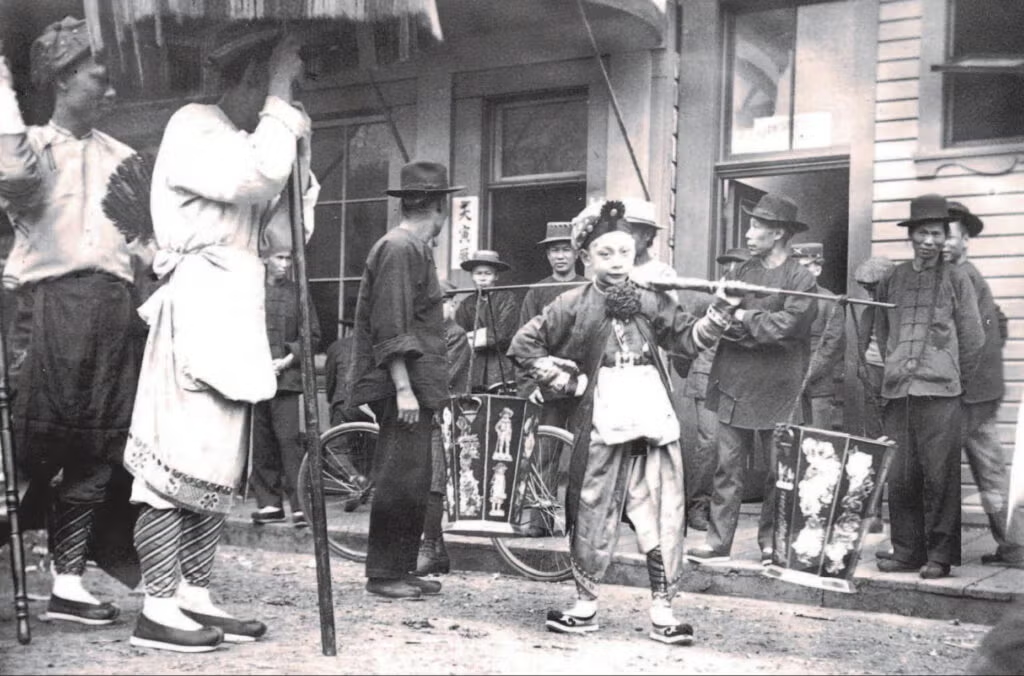
This selection of essays considers how religious authority, ritual practice, and regional imaginaries connect communities across national borders. Across these examples, the authors demonstrate how diasporic populations draw on shared histories, sacred traditions, and transregional networks to create forms of belonging that exceed the boundaries of the nation-state.
Bhojani, Ali-Reza, and Morgan Clarke. 2023. Religious Authority beyond Domination and Discipline: Epistemic Authority and Its Vernacular Uses in the Shi’i Diaspora. 65 (2): 272-95.
Henig, David. 2016. Crossing the Bosphorus: Connected Histories of “Other” Muslims in the Post-Imperial Borderlands of Southeast Europe. 58 (4): 908-34.
Limbert, Mandana. 2025. Homeland Is Where the Soul Resides: Travel Prayer, Passports, and Nation in the Western Indian Ocean. 67 (2): 457 – 482.
Marsden, Magnus. 2025. Beyond Long-Distance Nationalism: Khorasan and the Re-imagination of Afghanistan. 67 (1): 90-115.
Soh, Esmond Chuah Meng, and Keng Weh Koh. 2026. Stars, Kings, Pirates: The Nine Emperor Gods Festival and the Making of a Diasporic Religious Ecology in Postcolonial Southeast Asia.
Moniek van Rheenen is an Editorial Intern at CSSH. She is a PhD candidate in linguistic anthropology at the University of Michigan, and her research focuses on child language socialization, parenting, moral personhood, and conservative religion in Indonesia. Her work has been supported by the National Science Foundation, the US Fulbright Program, the American Institute for Indonesian Studies, and the Global Islamic Studies Center at the University of Michigan.
