
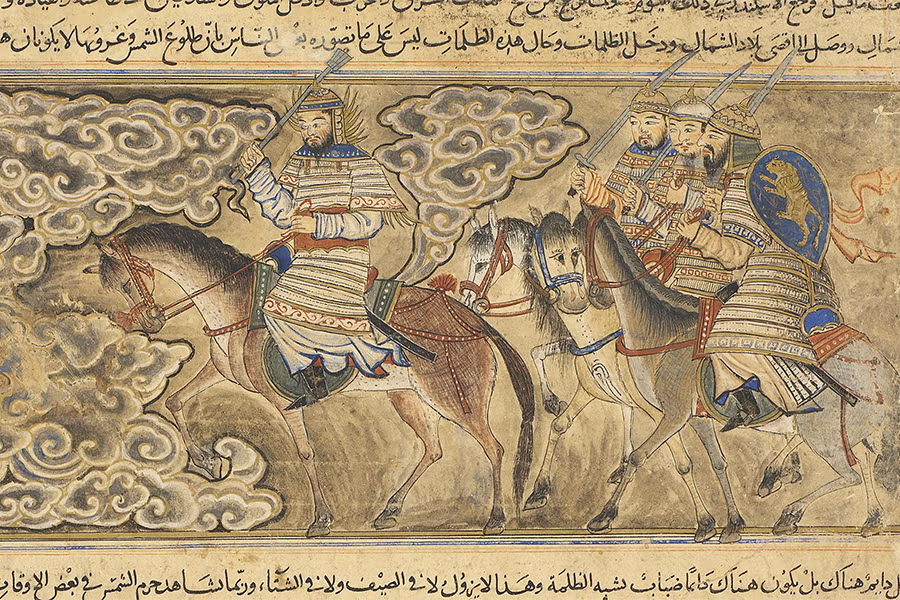
Jonathan Brack and Stefan Kamola Synopsis: Rashid al-Din, known as the “Doctor from Hamadan,” was one of the most prominent personalities of the period of Mongol rule in Iran, from the mid-thirteenth through the early fourteenth century. In addition to his political responsibilities as the advisor and minister to a generation of Mongol rulers, he…
Tag: Writing Cultures Topics
Mohamed Zakariya and the Practice of Calligraphy

Nancy Micklewright Synopsis: This presentation examines the creation of traditional Arabic calligraphy today through the life of Mohamed Zakariya, the foremost practitioner of this art in the United States. Beginning with Zakariya’s journey from Southern California to Virginia, via Morocco and Istanbul, we consider the core elements of Arabic calligraphy and some of Zakariya’s stunning…
A Calligraphic Composition by Ismaʿil Jalayir

A Calligraphic Composition by Ismaʿil Jalayir in the Collection of the Metropolitan Museum of Art Maryam Ekhtiar Synopsis: This presentation focuses on a calligraphic composition with tiny vignettes made by the 19th-century Iranian painter Isma‘il Jalayir, now held in the collection of the Metropolitan Museum of Art. It attempts to unpack this mesmerizing painting, analyze…
Two Islamic Amulets in the Aga Khan Museum

Two Islamic Amulets in the Aga Khan Museum: Inked Surfaces, Hidden Stories Christiane Gruber Synopsis: Humans have sought protection from pain, harm, and negative forces since time immemorial. In Muslim lands, invocations to God and verses from the Qur’an are believed to be especially protective, and so appear on various objects over the centuries. Discover…
A Samanid Epigraphic Dish

Marika Sardar Synopsis: Ceramic dishes of the Samanid period (819–1005) are known for the inclusion of epigraphy in their decorative programs. Inscriptions include proverbs praising moral qualities, such as generosity, planning, and wisdom. This presentation explores a Samanid epigraphic dish in the Aga Khan Museum collections and compares its epigraphic contents to a 19th-century English…
İbrahim Müteferrika and the First Printed Books of the Islamic World

Yasemin Gencer Synopsis: This presentation video offers an overview of the first Islamic incunabula printed at the Müteferrika press in the first half of the eighteenth century. A chronological survey of their visual attributes reveals the Ottoman publisher’s early experimentations with the new medium. Worksheet: A worksheet for this video is available here. Also visit…